- All
- Product Name
- Product Keyword
- Product Model
- Product Summary
- Product Description
- Multi Field Search
Views: 0 Author: Site Editor Publish Time: 2025-08-28 Origin: Site
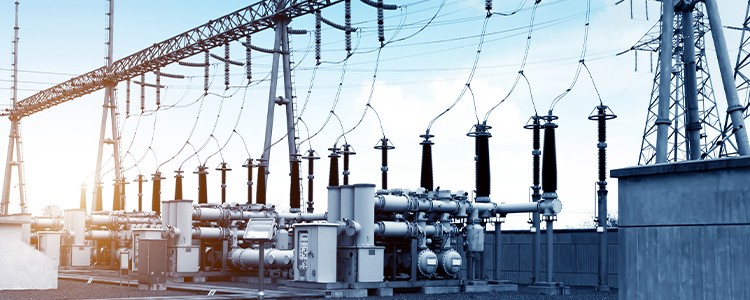
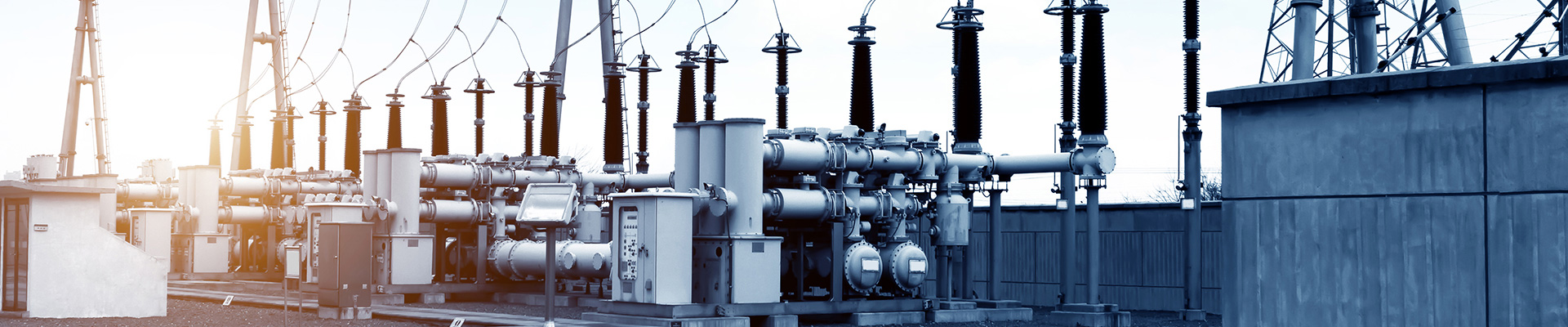
In high-voltage power systems, switchgear acts like a tough watchdog, keeping things safe and running like clockwork. It’s the solid core of electrical setups, always geared up to control, guard, and split apart equipment when needed. You’ll catch switchgear hanging out in bustling spots—think power plants, substations, or massive factories. Anywhere high-voltage juice needs to flow steady, it’s there, doing its job without a fuss.


Switchgear is a trusty crew of tools, including switches, fuses, circuit breakers, isolators, and relays. They join forces to guide, shield, and disconnect electrical gear. Its big task is to power down equipment for repairs or tackle troubles downstream. This keeps workers out of harm’s way and the system tough when things go awry.
High-voltage switchgear typically handles systems above 36 kV. It splits into medium voltage, from 1 to 36 kV, and high voltage, above 36 kV. These groups shape things like insulation choices, how much fault they can endure, and where they’re placed.
A complete high-voltage switchgear unit brings together several key players. Circuit breakers slam the brakes on fault currents. Disconnectors carve out sections for maintenance. Current transformers keep an eye on loads. Protective relays sniff out trouble. Together, these parts stand guard, keeping the system safe in calm or stormy times.
Switchgear shines when it halts current during faults and holds insulation firm.When a circuit breaker snaps open under load or fault, a fiery spark, or arc, dances between contacts. Modern switchgear pulls clever tricks, like vacuum interruption or gas-blast methods, to snuff out this spark fast. Quick spark-taming reduces heat damage to nearby gear.
Insulation acts like a shield, stopping electrical breakdowns between live parts. For lower voltages, air insulation does the job. But for higher voltages, SF6 gas or vacuum insulation steps up, offering stronger protection. In cramped spaces, gas-insulated setups save room while staying rock-solid.
Beyond switching, high-voltage switchgear boasts relays that catch overcurrent or ground faults. Paired with sensors and digital connections, these systems feed info to central SCADA platforms. This allows real-time tracking and remote control, making power grids sharper and more responsive.
Choosing the right switchgear hinges on needs like space, weather, or task complexity.
AIS leans on plain air to insulate. It’s budget-friendly but demands more space since air isn’t the strongest insulator. AIS thrives in open substations where room is plentiful.GIS tucks all live parts into sealed metal cases filled with SF6 gas. This compact design saves space and excels in harsh spots like busy cities or windy coasts where pollution runs high.Hybrid systems blend the best of AIS and GIS, like pairing GIS breakers with an AIS layout. This balances cost and space savings. They’re a go-to choice for upgrading old systems without a full overhaul.
High-voltage switchgear must meet rugged standards to shine across various industries.Switchgear needs to handle everyday voltages and sudden jolts from lightning or switching. Short-circuit ratings show the max fault current it can stop without crumbling. This is vital for keeping the network steady during big troubles.
In critical spots like power plants or data centers, switchgear must stand tall during faults. Dependable designs use backup protection and tough builds to dodge breakdowns under pressure.
Simple upkeep slashes costs over time. Modern switchgear features parts that swap out quickly. Some even use condition-based monitoring to sound alarms before issues strike, cutting downtime sharply.
As power grids grow smarter with digital upgrades, switchgear must keep pace by syncing smoothly with automation systems.
IEDs in modern switchgear act like quick-thinking helpers, spotting faults or auto-reclosing without human input. They also chat with other devices using standards like IEC 61850, streamlining substation automation.SCADA lets operators peek at things like load currents or breaker status from afar. This keeps them in the know and ready to act fast during trouble. It’s crucial for keeping the grid sturdy during busy times or emergencies.
If you’re after cutting-edge digital features, SHENGTE delivers clever solutions for modern substations. Their products mesh seamlessly with SCADA and use AI-driven diagnostics to supercharge predictive maintenance. This helps you stay ahead of problems before they balloon into costly outages. For example, their star product, the Best KYN28A-12 Indoor Metal Armoured Pull-Out Switchgear, is crafted for smooth automation and robust arc-fault protection. It’s perfect for tough indoor settings in demanding industries.

Safety is a top priority in high-energy systems. Sticking to global standards ensures steady performance everywhere.IAC-rated enclosures trap internal arcs, keeping workers safe nearby. This is critical in tight spaces like indoor substations or control rooms where people are often close by.
Switchgear must follow standards like IEC 62271 for design and testing, ANSI C37 for North America, or GB standards for China. These rules cover insulation tests to mechanical strength, ensuring your gear meets regulations wherever it’s used.You can count on SHENGTE’s dedication to quality. From picking raw materials to final tests, they deliver reliable performance that meets IEC/GB standards every time you deploy their equipment.
High-voltage switchgear proves its worth across many fields, handling complex electrical loads with ease and safety.
In power plants, whether thermal or hydro, switchgear manages outgoing feeders and shields generators from faults or overloads. Substations depend on them for voltage shifts between transmission and distribution levels.Across long transmission lines, switchgear lets you isolate sections so faults don’t ripple through the whole grid. This is a key piece of modern load management at regional control centers.
As solar and wind farms sprout up, tying their up-and-down outputs to stable grids is tricky. Strong, digital-ready switchgear makes this task easier and more reliable.
Switchgear keeps evolving as green concerns spark brighter, eco-friendly designs.SF6 shines for insulation but harms the environment with its global warming impact. Newer options like g³ (green gas for grid) keep insulation strong while being gentler on the planet. This sways buying choices worldwide.Smart grids need gear that doesn’t just work but plans ahead. Built-in sensors grab live health data, feeding it to cloud-based systems. These predict issues before they trigger outages, saving time and cash on fixes.
With AI-driven tools woven into products like the Best KYN28A-12 Indoor Metal Armoured Pull-Out Switchgear, you get more than just hardware. You gain sharp insights into equipment health, letting you shift from patching problems to stopping them before they start. Welcome to contact SHENGTE!
Q1: Why should I consider SHENGTE’s KYN28A-12 switchgear?
A: The KYN28A-12 Indoor Metal Armoured Pull-Out Switchgear combines intelligent monitoring features with IAC-certified safety performance making it ideal for mission-critical applications needing both digital readiness & personnel protection assurance simultaneously.
Q2: What makes GIS preferable over AIS in urban installations?
A: GIS offers compactness due to its enclosed design using SF6 gas insulation which makes it ideal where space constraints exist such as densely populated urban areas or industrial zones requiring minimal footprint installations.
Q3: How does predictive maintenance improve reliability?
A: Predictive maintenance uses sensor data analytics to identify early signs of wear/failure before they cause breakdowns—this minimizes unplanned outages while optimizing spare part usage efficiently across your asset base.