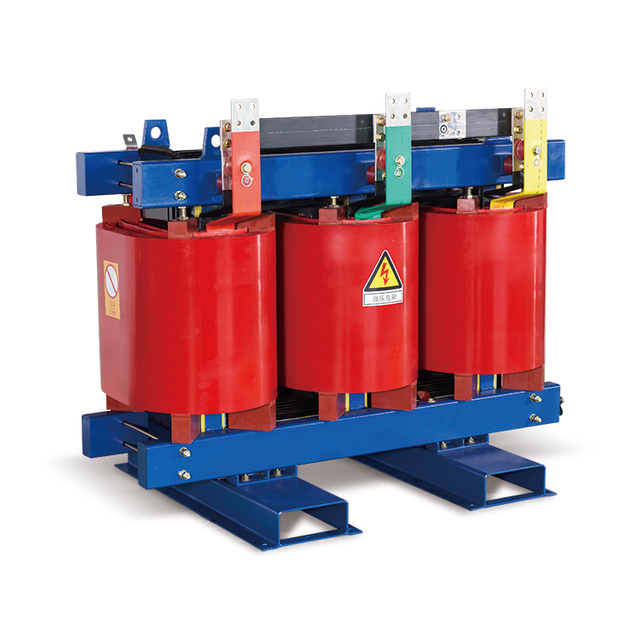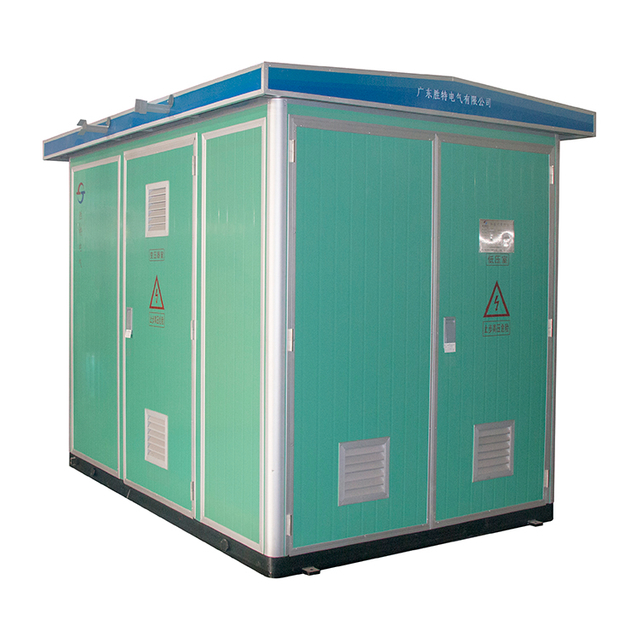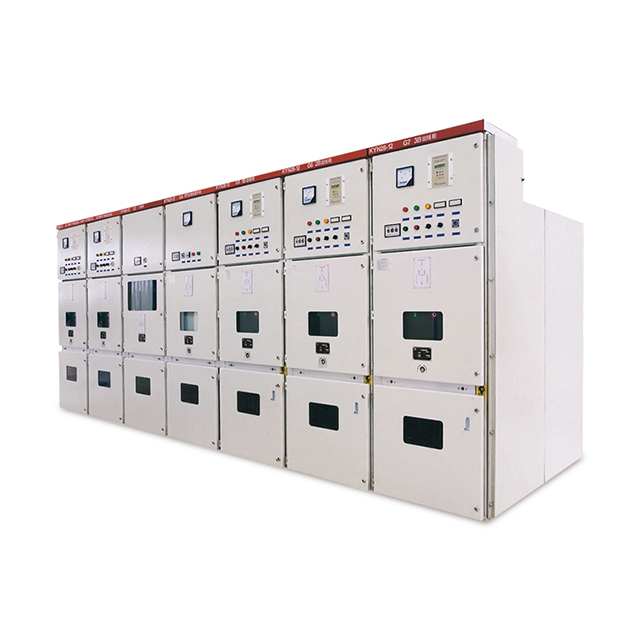
Portable substations are becoming a major force in modern power distribution. As grids expand, old networks upgrade, and remote areas demand temporary electricity, these compact stations solve problems that traditional setups cannot. In many cases, the heart of a portable substation—the transformer—decides whether the entire system performs well or fails early. By 2025, buyers and project owners are paying far more attention to how these transformers work under pressure, how safely they run outdoors, and how they fit into fast-changing grid conditions.

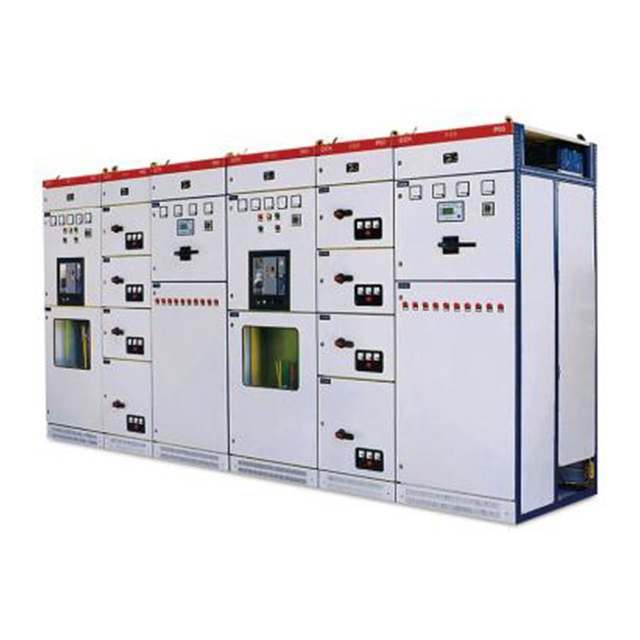
Choosing the right angle to explore low voltage switchgear can be tricky, especially with so many fresh ideas appearing each year. The industry is moving quickly, and many users want clearer guidance before they compare different options. To make the shift between these two topics smoother, here is a short note that ties them together. It also highlights how companies like SHENGTE follow these new directions while keeping their solutions practical and easy to use. With this in mind, the next section looks more closely at the trends shaping the 2025 market.

Learn how prefabricated substations cut construction time by 70%, accelerating solar and wind project timelines for faster ROI.
A good distribution transformer installation needs the right place, correct power matching, and solid work on structure, wiring, and cooling. Weather, strong ground, and proper grounding affect safety and how long the transformer lasts. Picking the right size for the load stops wasted power and ear