- All
- Product Name
- Product Keyword
- Product Model
- Product Summary
- Product Description
- Multi Field Search
Views: 0 Author: Site Editor Publish Time: 2026-04-30 Origin: Site
An Overview of Switchgear and Switchboards: Key Concepts and Functions
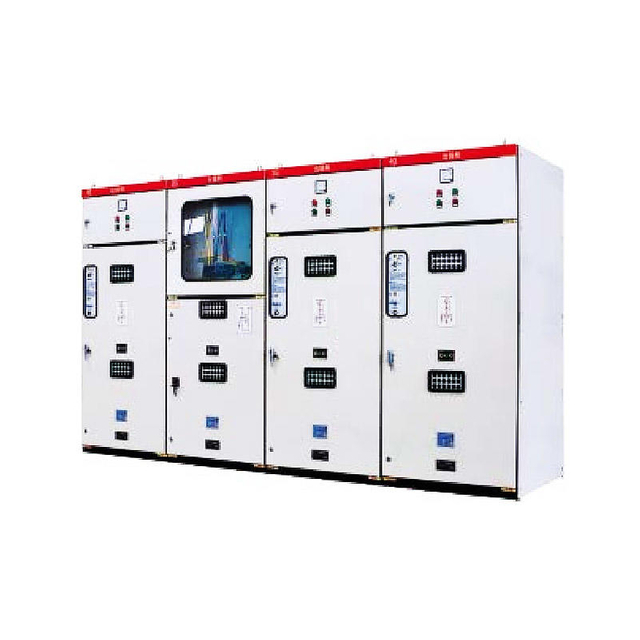
Recommended Product – SHENGTE Low Voltage Switchgear Solution
In power distribution, both switchgear and switchboards hold vital roles. They help ensure safe, dependable, and effective running of electrical setups. Yet, they handle distinct tasks and fit various uses. Picking the proper gear for your setup relies on several elements. These include voltage ratings, usage needs, and safety issues.
At SHENGTE, we understand the evolving demands in industrial, commercial, and infrastructure projects, and we are committed to providing advanced electrical solutions tailored to meet these needs. One such solution is our Customized GCK Low Voltage Drawer Switchgear, which is designed for adaptability, security, and outstanding performance. For those attending the IEEE PES T&D 2026 in Chicago, we invite you to visit our booth 1954 to discover how our innovative switchgear products can enhance your electrical systems. Our products, like the GCK Low Voltage Drawer Switchgear, provide the flexibility and protection needed for modern power distribution setups.

In this article, we will explore the differences between switchgear and switchboards, helping you understand which one is the best fit for your electrical system's requirements.
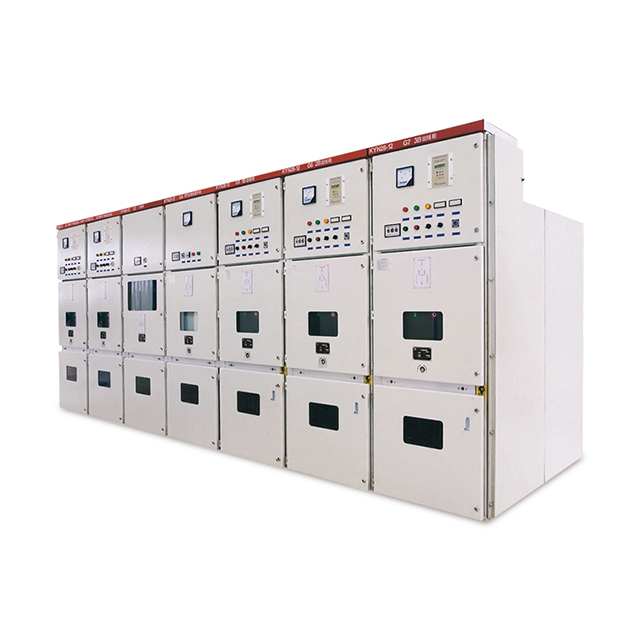
Electrical switchgear forms a key part of power distribution setups. It aims to manage, guard, and separate electrical devices. This prevents errors and harm. Switchgear setups include a mix of switches, fuses, circuit breakers, and relays. These elements team up to shield power lines from overloads, short circuits, and other electrical problems.
Switchgear often appears in both high and low-voltage uses. It proves essential for keeping safety in power networks. The main goal of low-voltage switchgear and medium-voltage switchgear is to safeguard and direct electrical setups. They also make sure these operate inside secure limits.

A switchboard, by comparison, acts as an electrical distribution panel. It spreads electricity to different circuits inside a building. Unlike switchgear, which stresses protection and management, a switchboard mainly handles distributing electrical power to many outgoing lines. It holds parts like circuit breakers, switches, and meters. However, it misses the strong protective traits that switchgear offers.
Switchboards appear often in commercial buildings or industrial settings. They manage power flow to various systems or areas. People usually install them at low voltage levels. Plus, they allow simple access for upkeep and watching.
Switchgear: Usually features high-voltage and low-voltage circuit breakers, disconnect switches, relays, and fuses. Its parts aim to separate, guard, and manage electrical lines during work or when faults occur.
Switchboard: Includes a group of circuit breakers, switches, distribution panels, and meters. These help send power to diverse electrical loads. It mainly works to handle and direct the current of electricity to lines inside a system.
Both electrical switchgear and switchboards matter greatly in handling power distribution. They also support operational safety.
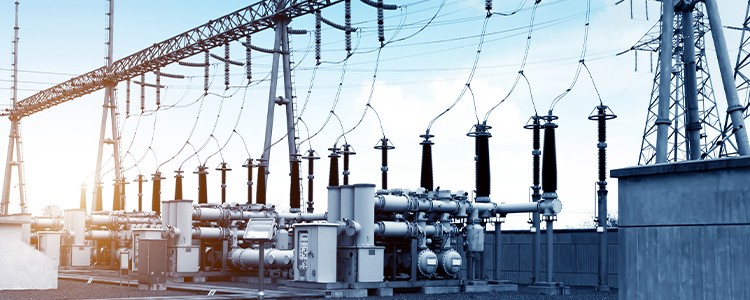
Switchgear: Switchgear suits high-voltage uses. These often range from medium voltage (1 kV to 36 kV) to extra-high voltage systems (above 36 kV). You find it commonly in substations, factories, and big power distribution grids.
Switchboards: Switchboards mainly serve low-voltage uses, up to 1 kV. They show up often in business buildings, home complexes, and factory sites. There, they oversee power sharing to various electrical systems.
The voltage switchgear variation matters a lot when selecting between the two setups. Switchgear becomes necessary for taller voltage levels. Meanwhile, switchboards work well for low-voltage sharing.
Switchgear: Switchgear's chief job is to protect electrical devices from issues, control the current of electricity, and isolate broken parts of the network. These setups prove vital for maintaining safety and steadiness in electrical systems. They stop harm from overloads, short circuits, and problems.
Switchboards: Switchboards, in contrast, chiefly aim at distributing electricity to many lines or systems. They lack the deep protection or issue separation that switchgear gives. Instead, they focus on managing and checking the spread of power inside a structure or site.
Switchgear’s guarding quality stands out in cases where electrical safety and issue management count most. Switchboards, however, are best suited for directing and spreading electrical power to different loads.

Switchgear: Switchgear often comes with a firmer and more detailed setup. This stems from its guarding traits. It needs to fit many high-voltage parts. Also, it must secure the whole electrical system.
Switchboards: Switchboards offer greater adaptability in setup and arrangement. You can tailor them to match exact sharing needs. Thus, they serve as a handy fix for overseeing electrical systems in business and factory settings.
Though both setups allow customization for unique demands, switchgear systems usually prove more intricate. This arises from their boosted safety needs.
Switchgear: Because it handles high-voltage uses and guarding parts, switchgear setups often turn out bigger, tougher to grasp, and pricier than switchboards. They demand thorough planning for setup and care. This holds especially true in large factories and utility spots.
Switchboards: Switchboards generally stay smaller, simpler, and easier to place. They fit low-voltage uses well. Their piece-by-piece design lets you expand and rearrange them easily in business buildings and factory sites.
Your pick between low-voltage switchgear and switchboards hinges partly on the intricacy and scale of the electrical system you manage.
Voltage Requirements: If your setup runs at high voltage (above 1 kV), you need switchgear for guarding, directing, and issue separation. For low-voltage setups, switchboards make the perfect fix for sharing power.
Power Requirements: Sites with high needs or factories with big electrical burdens call for industrial switchgear to guard and direct. Structures with lesser electrical burdens usually gain from switchboards for smoother sharing.
Space and Configuration: When space matters, low-voltage switchgear and switchboards come in piece-by-piece forms. But switchgear takes more area because of its guarding traits.
Switchgear: It sees common use in industrial switchgear spots, electrical distribution switchgear setups, and high-voltage substations. There, safety, guarding, and direction take top priority.
Switchboards: They fit well in business buildings, smaller factory tasks, and infrastructure works. The main aim there centers on power sharing, not issue guarding.

When selecting between electrical switchgear and switchboards, think about your electrical setup's exact needs. For high-voltage guarding and direction, switchgear systems stand as the top pick. For handling power sharing at low voltage levels, switchboards prove more fitting.
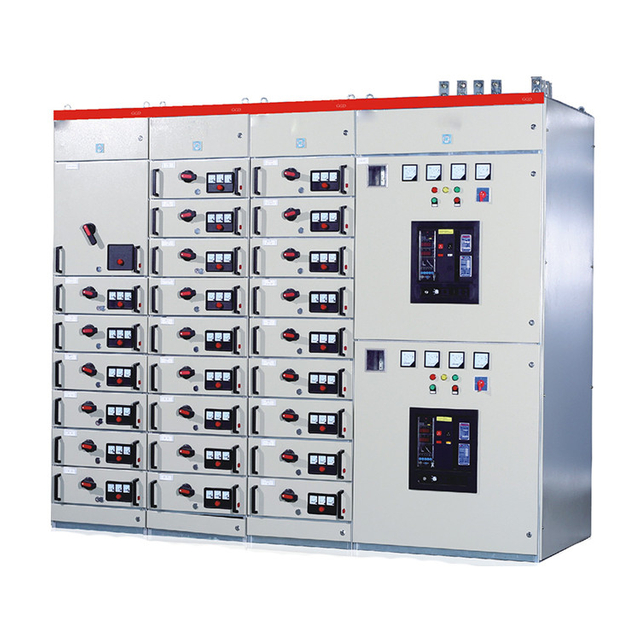
At SHENGTE, we supply customized GCK low-voltage switchgear. It delivers a solid and adaptable answer for electrical sharing in factory and business surroundings.
Our GCK low-voltage switchgear aims to give top-notch electrical guarding and steady running. It suits many tasks, from factory sites to office structures. There, power sharing holds great importance.
The GCK switchgear is built to ensure safe running. It offers overload guarding, short-circuit guarding, and issue separation. Thanks to its sturdy build, it guarantees high reliability and effectiveness in electrical systems.
Our electrical distribution switchgear stands ready to meet the calls of current sites. It includes adaptable arrangements and strict safety rules. The piece-by-piece design eases setup and care. This cuts downtime and work risks.
The GCK switchgear is made for fast setup. It needs little care too. This lowers the full cost of owning it. It also boosts the long-run output of your electrical systems.
Deciding between switchgear vs switchboard boils down to your electrical setup's particular wants. For high-voltage, high-need tasks that demand guarding, separation, and direction, switchgear systems make the finest choice. For lower-voltage sharing, switchboards offer a budget-friendly, adaptable answer.
At SHENGTE, we bring top-grade low-voltage switchgear items. These include the customized GCK low-voltage drawer switchgear. They are designed for dependability, adaptability, and lasting effectiveness. No matter if you tackle a business building, a factory site, or a vast power sharing network, our answers give prime guarding and output.
We urge you to pick SHENGTE electrical switchgear. Reach out to us for custom answers that fit your exact needs.