- All
- Product Name
- Product Keyword
- Product Model
- Product Summary
- Product Description
- Multi Field Search
Views: 0 Author: Site Editor Publish Time: 2026-03-03 Origin: Site
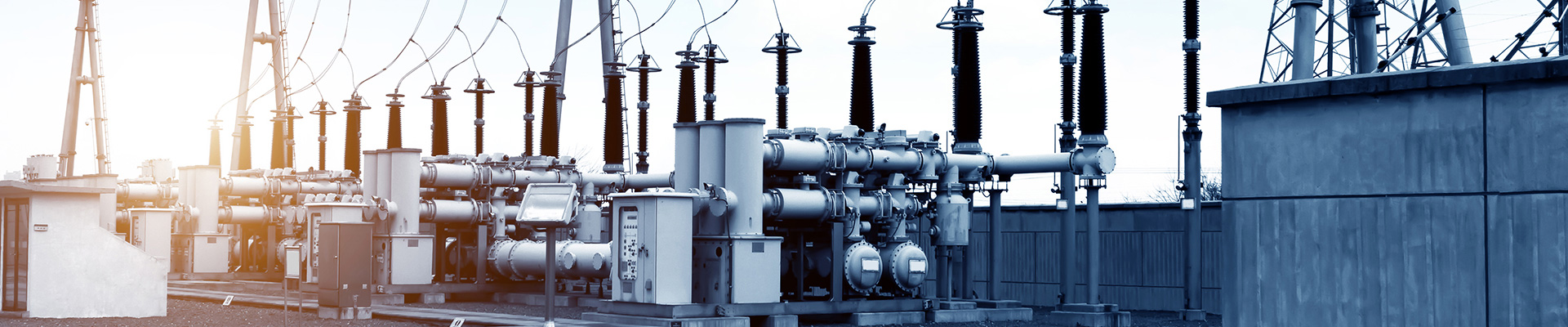
Air insulated switchgear (AIS) is an electrical equipment assembly that uses air as its main insulating medium between live parts. It usually includes circuit breakers, disconnectors, busbars, and protective relays inside a metal enclosure. The design lets operators control and protect electrical circuits safely across different voltage levels.
Using air as an insulating medium brings simplicity and affordability. Air is plentiful, harmless, and simple to maintain. Thus, AIS becomes a sensible option for many setups. It also permits easy checking and fixing because of its open layout.
The GGD AC low voltage switchgear is built for AC 50Hz systems with a rated voltage of 380V and current up to 3150A. It performs well in power conversion, distribution, and control in power plants, substations, and industrial areas. This shows how air insulated switchgear fits various uses that need dependable power handling.

Common places for AIS are indoor substations, factories, and office buildings where space limits are not a big issue. The ease of setup makes it good for new projects and updating old systems.
In AIS, the nearby air serves as the dielectric medium that keeps energized parts apart. During regular operation, air stops electrical arcs by keeping enough distance between conductors. If a fault happens, circuit breakers stop the current flow. They do this by forming an arc that cools and stretches in the air to put it out.
Safety features like interlocks and grounding switches make sure operators cannot reach energized areas by mistake. The cabinet’s basic parts connect with screws to form the main frame. Then, doors, panels, partitions, drawers, mounting brackets, busbars, and electrical components get added. This finishes the complete switchgear assembly. Such strong structure ensures safe work even under heavy electrical pressure.
Gas insulated switchgear (GIS) uses gas—often sulfur hexafluoride (SF6)—as its insulating medium rather than air. The main parts of the equipment include circuit breakers, busbars, isolators, earthing switches, and instrument transformers. These sit inside sealed metal enclosures filled with SF6 gas.
XGN15-12 box type fixed AC metal enclosed sulfur hexafluoride ring switchgear (SF6 switchgear) is an indoor distribution device with three-phase current of 12Kv and frequency of 50Hz single bus system. This example shows GIS’s fit for high-voltage indoor uses, such as city substations or tall buildings.

The key advantage of SF6 gas is its excellent dielectric strength—roughly three times better than air. This allows for smaller designs with less space needed. GIS systems also offer high reliability and low upkeep because of their closed build.
GIS works by keeping live parts in pressurized SF6 gas chambers. During switching or fault interruption, the SF6 gas quickly puts out arcs. It does so by taking in energy and recombining fast without breaking down into bad by-products in normal use.
SF6 load switch contact system and arc extinguishing chamber are sealed in the insulating barrel poured by epoxy resin APG process, and filled with SF6 gas of 0.045 MPa. Due to the few sealing points, it holds back air leaks for a long time. In the end, this avoids the need for upkeep. Such features show how GIS gives steady long-term work with less maintenance than AIS.
Operational safety improves with interlocking systems that stop wrong switching orders. Pressure monitoring tools check for any fall in gas density. If that occurs, they set off alarms or automatic stops to guard equipment health.
The clearest difference between AIS and GIS is their size. GIS units take up much less room because SF6 gas gives stronger insulation with shorter gaps. On the other hand, AIS needs bigger spaces between conductors due to weaker dielectric strength.
Setup costs change based on this. AIS often costs less at first but demands more area. GIS has higher starting costs, yet it cuts down on space expenses in city spots where land is scarce. Upkeep needs vary too. AIS calls for regular cleaning and checks since it faces things like dust or moisture. GIS’s sealed setup reduces these problems.
The GGD AC low-voltage switchgear has a logical structure, simple setup and upkeep, strong protection, high breaking capacity, and large capacity. This backs the view that a good AIS design can deliver solid performance. Even so, it may need more regular service than GIS.
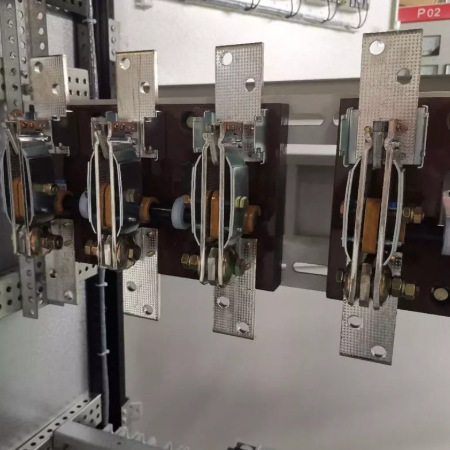
Picking between AIS and GIS relies on factors like space available, budget limits, weather conditions, and voltage ratings. For outdoor or roomy sites where saving money is key, AIS works best. However, GIS fits tight city grids or sea platforms that require small size and steadiness.
Environmental effects matter as well. SF6 provides great insulation, but it is a strong greenhouse gas. Makers address this with reuse programs and leak-stop tech to meet green rules.
At SHENGTE, we focus on creating both air insulated switchgear (AIS) and gas insulated options made for today’s power systems. Our range includes modern low-voltage GGD cabinets for smooth energy distribution in industry fields (The GGD type AC low voltage switchgear is engineered for AC 50Hz systems with a rated voltage of 380V and current up to 3150A.).
We stress new ideas through modular builds that ease setup while meeting top safety rules. Our air insulated items have tough coatings like polyester orange-shaped baking paint or epoxy powder finishes (The cabinet topcoat is made of polyester orange-shaped baking paint or epoxy powder.)—boosting resistance to rust for lasting results.
We follow tight quality checks at each step—from picking raw materials to final tests—to meet global standards. Every cabinet goes through strict mechanical reviews to confirm IP-rated protection for various settings (The protection level of the cabinet is IP30. Users can choose between IP20 and IP40 according to the requirements of the use environment.).
Our customer help goes past product delivery. We offer technical advice to aid clients in choosing setups that fit their work best. Each SHENGTE product includes warranty support. This shows our promise to dependability over years.
A: Air insulated switchgears generally require more frequent maintenance due to exposure to environmental conditions, while gas insulated switchgears have lower maintenance needs due to their sealed design.
A: Gas insulated switchgears use SF6—a potent greenhouse gas—but manufacturers like SHENGTE implement recycling and leak prevention measures to minimize environmental impact.
A: Retrofitting depends on existing infrastructure; however both types can often be integrated with some modifications though specific requirements should be assessed by professionals like those at SHENGTE who provide expert evaluation services.