- All
- Product Name
- Product Keyword
- Product Model
- Product Summary
- Product Description
- Multi Field Search
Views: 0 Author: Site Editor Publish Time: 2026-02-26 Origin: Site

Power transformers still determine how successfully modern electrical grids transmit energy from high-voltage transmission lines to end-use areas. With consumption patterns becoming increasingly dynamic due to electrification, distributed generation, and rapid urban expansion, choices about transformer deployment now markedly influence overall network performance, electrical safety, and ability to withstand operational pressure.
Current transformer selection is far more than voltage conversion capacity. Heat control performance, insulation technology, installation constraints, maintenance strategies, and lifecycle efficiency increasingly affect planning processes. Assessment needs to focus not only on the initial performance of equipment but also on its long-term stability in fluctuations in load, complex environments, and future changes in the power grid.
The article explores the actual engineering factors that influence the application of transformers in current electrical systems while connecting technical attributes to actual deployment realities throughout industrial, commercial, and densely populated distribution areas.
Despite the ongoing development of intelligent grid solutions, power transformers continue to represent irreplaceable elements since every segment of transmission and distribution infrastructure depends upon effective voltage level adjustment for economical energy conveyance. Absence of dependable transformation stages results in elevated system dissipation and compromised protective arrangement coordination.
Present-day dependability hinges not solely upon nameplate capacity specifications but upon mechanical durability, dielectric longevity, and thermal dissipation capability under genuine field circumstances.
Transformer energy dissipation remains constant whenever equipment stays energized and accumulates progressively throughout extensive networks. No-load dissipation appears continuously regardless of demand, while load-related dissipation escalates proportionally with current magnitude during maximum consumption periods.
Contemporary transformer engineering achieves noticeable reductions in these dissipation values through superior-grade silicon steel core materials, carefully calculated winding configurations, and improved heat removal pathways. Lower dissipation levels translate directly into decreased running expenditures, delayed dielectric deterioration, prolonged operational duration, and enhanced sustained network capability.
Temperature elevation constitutes the principal influence upon dielectric material endurance. Effective thermal dissipation prevents premature aging processes and permits transformers to accommodate brief overload episodes without lasting impairment.
Both oil-immersed and dry-type transformer varieties manage thermal conditions through distinct methods, but the fundamental engineering aim stays consistent: sustain acceptable winding temperature ranges despite fluctuating demand profiles and varying external environments.
Present infrastructure trends increasingly position transformers in enclosed structures, subterranean chambers, or restricted metropolitan placements. Under such circumstances, fire prevention measures and simplified servicing requirements gain primary importance.
Dry-type transformers address precisely these necessities by eliminating the liquid insulation medium and thereby substantially diminishing potential environmental hazards.
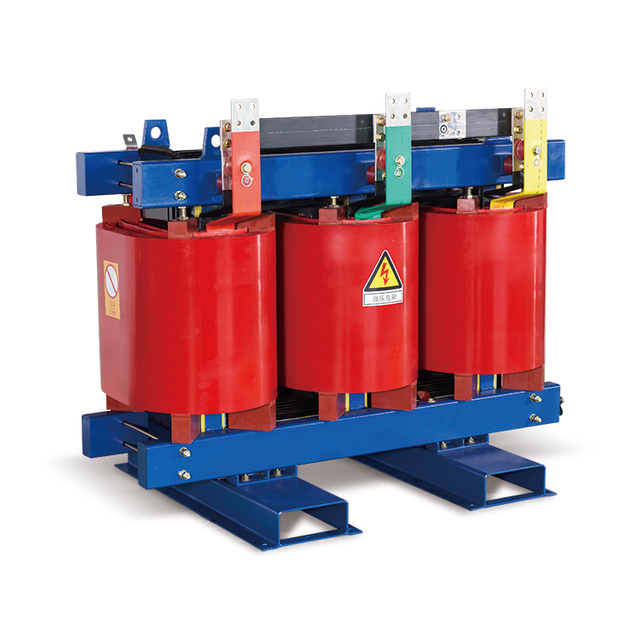
Cast resin insulation technology encases windings in epoxy-based compounds rather than conventional insulating fluid, thereby completely removing possibilities of fluid escape while markedly enhancing fire resistance characteristics. These units deliver dependable functioning even in elevated humidity environments and permit rapid restoration following temporary de-energization without elaborate drying sequences.
Their dielectric construction additionally demonstrates strong resistance against surface contamination and moisture accumulation, facilitating straightforward placement directly inside consumption hubs, including office buildings, medical facilities, and manufacturing plants. A combination of elevated safety levels, reduced energy dissipation, minimal acoustic output, and virtually nonexistent servicing requirements renders this approach particularly advantageous in space-constrained locations.
Forced air cooling systems enable short-term overload operation, thereby allowing transformers to handle temporary demand surges without immediate physical expansion. Such adaptability is especially beneficial in facilities experiencing seasonal fluctuations or unpredictable load changes.
One representative example is the SCB10 1250kVA 6kV 400V IEC Standard 3-Phase Casting Resin Insulated Dry-Type Power Transformer, which integrates low operational loss, strong heat dissipation performance, and safe deployment, particularly suitable for dense indoor power distribution environments.

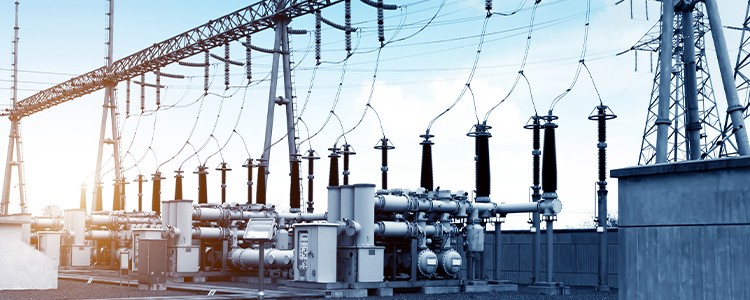
Although indoor placements continue expanding, oil-immersed transformers maintain predominance in exterior substation environments and heavy industrial networks whenever elevated capacity requirements and superior thermal dissipation become necessary.
Insulating oil simultaneously performs dielectric and heat transfer functions, efficiently removing thermal energy from winding assemblies. Flexible tank wall designs accommodate volume changes resulting from temperature variations while preserving complete sealing integrity.
Consequently, this construction supports dependable performance across substantially higher capacity ranges compared with air-insulated alternatives, establishing oil-immersed transformers as particularly effective solutions in outdoor distribution arrangements and demanding industrial applications.
Mechanical integrity of winding assemblies and supporting frameworks determines survival capability during short-circuit incidents. Carefully balanced coil arrangements and strengthened clamping mechanisms substantially decrease deformation probabilities when subjected to intense fault currents, thereby preventing destructive breakdowns.
Properly constructed oil-immersed configurations provide exceptional resistance against electromagnetic forces generated during disturbances while simultaneously maintaining sustained dielectric stability.
Ultimate transformer dependability emerges from a combination of engineering principles with fabrication accuracy, systematic quality oversight, and rigorous verification procedures.
Standard routine evaluations and comprehensive type verification processes assess dielectric withstand capability, dissipation characteristics, thermal elevation behavior, and mechanical resilience. Components validated according to established protocols exhibit consistent response patterns during excess loading conditions or disturbance events, thereby facilitating extended maintenance intervals.
Unified control over design, development, production, testing, and final assembly procedures enhances overall consistency of products while contributing to easily achieving customization services. Equipment supplied in large-scale deployment programs maintains remarkably stable performance, thereby reducing operational variability.
During the phases of project assessment, many planners tend to choose producers who can deliver transformers and related distribution solutions under unified engineering control.
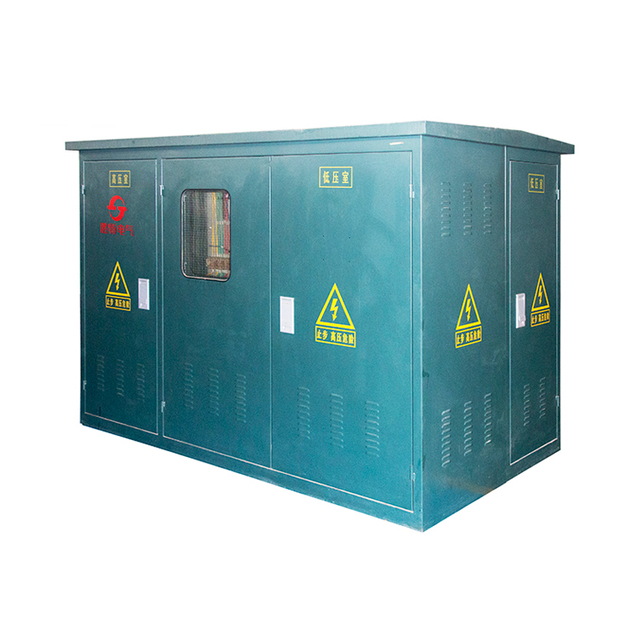
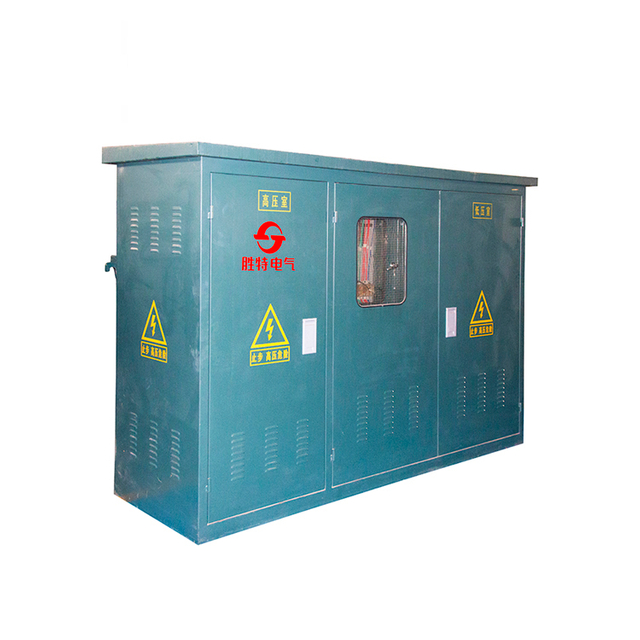
SHENGTE demonstrates this comprehensive operational model with more than fifteen years of experience in distribution equipment production. Based on advanced production facilities located in Guangdong, we develop oil-immersed, dry-type, and prefabricated substation equipment aligned with IEC standards. Through internal management of design, development, production, and quality testing, we ensure enhanced consistency standards and rapid adaptation to the customization requirements of specific projects. Our equipment supports projects where installation constraints, energy efficiency, and operational safety must be considered simultaneously rather than separately.
Electrical distribution networks increasingly encounter unpredictability stemming from growing renewable contributions, expanding electric vehicle infrastructure, and shifting consumption behaviors. Consequently, transformer deployment strategies must proactively accommodate anticipated operational transformations.
Distributed generation arrangements introduce reversed energy movement directions, thereby generating operating conditions substantially different from traditionally anticipated patterns. Installed equipment must endure bidirectional power flow without experiencing excessive thermal stress or protective arrangement malfunctions.
Thermal reserve capacity and fault current handling characteristics assume critical importance in networks featuring substantial variable renewable penetration.
Excessive initial capacity will increase initial investment costs, while insufficient capacity may lead to premature replacement. Scalable and modular designs can balance investment risks while preserving future expansion capabilities.
For deployments requiring variable capacity and limited space, the SCB10 630kVA 6kV 400V Customized Three-Phase Resin Casting Dry-Type Power Transformer demonstrates how dry-type transformers effectively balance customization needs and streamlined deployment in diverse load environments.

Power transformers are still an essential part of contemporary electrical infrastructure. However, successful deployment in the present conditions not only relies on the energy-efficient ability, but also on the adaptability of deployed environments, protective performance, and the total costs of services.
When transformer design quality, thermal performance, and manufacturing precision align with operational planning, electrical infrastructure can support stable energy delivery while adapting to evolving grid demands.
Q1: Why are dry-type transformers increasingly specified for urban installations?
A: Dry-type configurations eliminate possibilities of insulating fluid escape, deliver notable fire resistance benefits, and function dependably in enclosed or subterranean placements while requiring minimal ongoing attention.
Q2: Do oil-immersed transformers still offer advantages in modern distribution systems?
A: Affirmative. Superior thermal dissipation properties and substantial overload tolerance render them particularly suitable for exterior substation locations and industrial deployments necessitating elevated capacity levels.
Q3: Which factor most influences transformer lifecycle cost?
A: Thermal management effectiveness and dissipation efficiency predominantly determine dielectric deterioration rates, servicing frequency requirements, and cumulative operational expenditures across extended periods.