- All
- Product Name
- Product Keyword
- Product Model
- Product Summary
- Product Description
- Multi Field Search
Views: 0 Author: Site Editor Publish Time: 2026-04-23 Origin: Site
Reliability in Extreme Weather: Pad-Mounted vs. Pole-Mounted
Transformer Reliability: Why Choose Pad-Mounted Over Pole-Mounted?
Conclusion: Choosing the Best Transformer for Extreme Weather Conditions

Power distribution serves as the foundation of modern infrastructure. It delivers electricity to homes, businesses, and industries. Transformers hold an essential part in making certain that power moves smoothly and securely through electrical networks. For transformer installation, two main choices see regular use: pad-mounted transformers and pole-mounted transformers. Both setups aim to achieve the same goal. They convert high-voltage electricity into a practical form for users. Yet their uses and strengths vary a good deal, particularly in tough weather scenarios.
At SHENGTE, we focus on supplying tough, strong-performing transformers for city and countryside uses. We will be showcasing our transformer products at the IEEE PES T&D 2026 exhibition in Chicago (May 5–7, 2026), where you can explore how our pad-mounted transformers excel in various environments. In this article, we will look at pad-mounted substation and pole-mounted transformer systems. We will stress how each one handles rough weather. And we will cover why SHENGTE’s products deliver better transformer reliability for outside areas.
A pad-mounted transformer sits on a concrete or metal base right at ground level. This setup usually turns up in urban and home areas. In those places, space stays more restricted, and style matters. The pad-mounted substation holds all the gear in one small unit. That setup makes it simpler to oversee and protect.
These transformers get built for placement in steadier surroundings, like underground chambers or on concrete bases. Pad-mounted transformers suit spots where space runs short. They also fit situations where transformer reliability and safety rank high.
Pole-mounted transformers sit raised up. They demand ample space from nearby buildings. They usually face greater openness to weather forces.
Pad-mounted transformers, by contrast, rest at ground level. This makes them easier to approach and guard. It also leaves them less open to harm from weather influences.

A pole-mounted transformer gets set up on utility poles, often beside power lines. It acts as a standard fix for electrical distribution in rural or suburban zones. These transformers appear frequently in home and factory spots. There, space comes in plenty, and the setup must allow simple reach for upkeep or updates.
Pole-mounted transformers show up above the ground. They face different weather forces, like wind, snow, and changes in temperature. Even though these transformers prove fairly cheap to put in and look after, their openness to nature can bring notable weak points. This occurs above all in harsh weather.
Pole-mounted transformers carry built-in risks to numerous weather hurdles. Since they stand high, they meet fiercer weather forces. Take these examples:
Wind and Storms: Fierce winds and storms can deal heavy harm to pole-mounted transformers. Snapped utility poles or toppled trees can spark transformer breakdowns. They might also hurt the electrical setup.
Snow and Ice: Ice accumulation can overload pole-mounted transformers. That could trigger short circuits. It would call for expensive fixes.
Temperature Extremes: Transformers facing intense heat or cold run a bigger chance of overheating or freezing. Such problems can cut their output. Or they can bring ongoing harm.
In harsh weather, pole-mounted transformers might call for regular checks. They could also need deeper upkeep to secure transformer reliability.
By comparison, pad-mounted transformers bring clear edges in terms of weather resilience:
Protection from Physical Damage: Since pad-mounted transformers dwell in a closed, safe shell, they resist harm from dropping objects, creatures, or sabotage far better.
Better Insulation: These transformers often come with stronger weather-resistant features. Examples include covered casings and tight seals. They shield inner parts from outside forces.
Temperature Regulation: Thanks to smart cooling setups and oil-based builds, pad-mounted transformers keep steady output in hot or cold settings. This renders them perfect for intense conditions.
All in all, pad-mounted transformers provide stronger outdoor transformer output in zones hit by bad weather. They guarantee lasting reliability and lower maintenance costs.

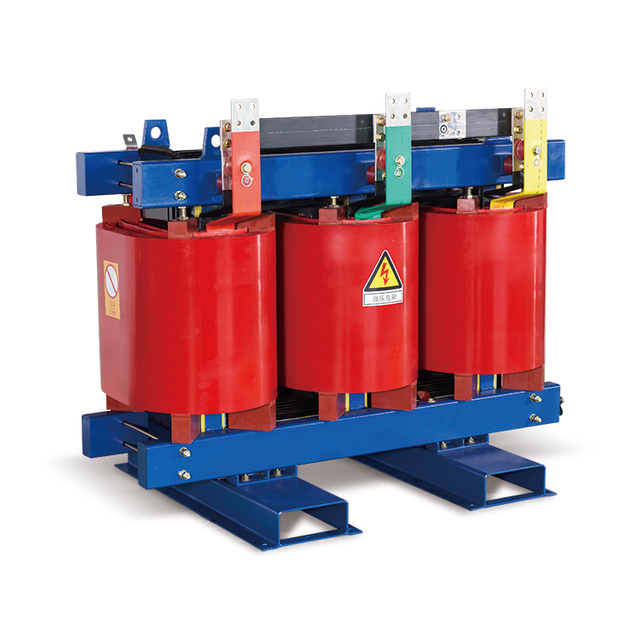
At SHENGTE, we supply a selection of fine-quality transformer options. These include the ZGS11-125kVA 10kV/400V Three-Phase Combined Pad-Mounted Transformer Box-Type Substation. Our products aim to offer dependable and smooth power distribution. They also ensure sturdiness and weather toughness.
The SHENGTE ZGS11-125kVA transformer stands as a three-phase outdoor transformer. It gets crafted to handle the needs of current power distribution systems. Be it in city zones or factory sites, this pad-mounted substation gets built to supply:
Compact design: Its space-saving form suits areas with tight room for setup.
Enhanced weather resistance: Built for outside tasks, it offers defense against wild temperatures, rain, and grit.
Reduced maintenance: Due to its closed and solid form, it demands less upkeep. It boasts a longer working span than pole-mounted transformers.
Our pad-mounted transformers get shaped to assure safe and firm running, even amid rough weather. With elements like sealed enclosures, advanced cooling systems, and weatherproof coatings, our transformers stand ready to face outside trials. All the while, they hold top output.
The ZGS11 series pad-mounted transformer gets made to supply dependable power amid high-load conditions. The device carries modern oil-filled tech. This secures smooth cooling and heat release. Hence, it proves a fine option for rural power transformer needs, where steady and unbroken power delivery counts most.

Pad-mounted transformers come safer by nature than pole-mounted transformers. They stay shielded from straight physical harm. The closed shell cuts down risks of fires, short circuits, or power glitches. These can stem from contact with outside forces. Further, their firm build makes sure they resist easy interference. This gives stronger guard against sabotage or chance touches.
Owing to their sturdiness and weather toughness, pad-mounted transformers demand fewer fixes and rarer upkeep than pole-mounted setups. This trims both operational costs and the chance of transformer breakdowns. That factor gains special weight in outlying or rural spots. There, upkeep teams might not show up right away.
The longer service life and lesser call for constant fixes render pad-mounted transformers a wiser money pick over the long haul. Pole-mounted transformers may cost less to set up at the start. Still, they tend to pile on steeper upkeep bills in the end. This rings true above all in areas with rough weather.
In places where harsh weather hits often, pad-mounted transformers show finer output than their pole-mounted matches. Their covered form, improved shield from weather factors, and enduring transformer reliability mark them as the prime selection for outdoor transformer tasks.
At SHENGTE, we center on supplying dependable, tough, and smooth transformer solutions for both city and rural uses. Our ZGS11-125kVA 10kV/400V Three-Phase Combined Pad-Mounted Transformer Box-Type Substation stands as a clear sign of our pledge to fine outdoor electrical transformer systems. These hold up well across all weather types.
When selecting the fitting transformer for your power distribution substation, weigh points like reliability, upkeep costs, and output in harsh conditions. With SHENGTE’s products, you can feel sure that you pick an option made to endure. It will bring ongoing, firm power in whatever setting.