- All
- Product Name
- Product Keyword
- Product Model
- Product Summary
- Product Description
- Multi Field Search
Views: 0 Author: Site Editor Publish Time: 2026-03-23 Origin: Site

The progress in three-phase transformer technology stems from improvements in materials, design, and digital integration. Current transformers are built for better efficiency and dependability. They meet the rising worldwide need for eco-friendly energy options.
A key development involves creating efficient cores that cut down energy waste. The iron core uses a stacked setup. It consists of silicon steel sheets thinner than 0.35mm with strong magnetic conductivity. These features lower the no-load loss and no-load current of the transformer. This design tweak boosts performance greatly. At the same time, it cuts running expenses.

Cooling methods have improved a lot too. The oil tank features wavy fins for heat release. After a unique treatment process, it gains solid resistance to rust. These changes in heat control keep steady performance even during intense loads. As a result, they lengthen the equipment's useful life.
Moreover, adding smart systems to three-phase transformers signals a move toward clever energy setups. Sensors and communication parts are built into the transformer units. Operators can check temperature, load situations, and insulation conditions from afar. This setup supports instant choices and upkeep in advance.
Digitalization serves as a main pillar in today's transformer progress. Clever sensors now deliver ongoing live data on key measures like voltage changes and heat levels. Engineers can adjust load sharing on the fly. They also stop possible breakdowns before they happen.
Foreseeing upkeep stands out as one of the best results from this digital shift. Operators examine trends in sensor data. They can predict wear habits or insulation wear well ahead of any breakdown. This forward-thinking method not only shortens stoppages but also lengthens the working span of costly electrical gear.
IoT links boost these features further. They allow distant checks and oversight from main systems. Secure cloud setups let utilities handle many transformers over large areas smoothly. This ensures reliable power supply with little human input.
At SHENGTE, we have adopted this digital change. We add smart watching systems to our three-phase transformer builds. Our items mix advanced control methods with sturdy parts. They offer exact insights that aid forward-looking upkeep plans for business customers around the world.

Sustainability now shapes each part of transformer creation. This includes picking materials and handling the full lifecycle. Eco-friendly materials lessen harm to the environment. Yet they keep strong performance levels.
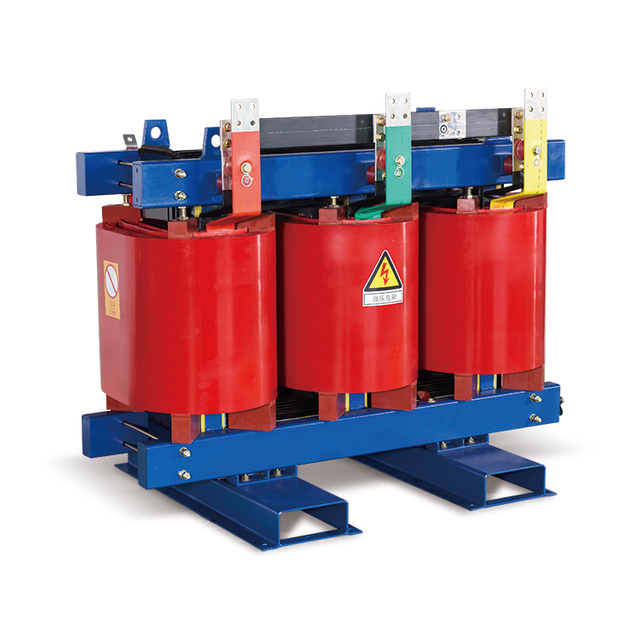
Dry type transformer uses unique insulation materials to block current and stop sparking. Its iron core and winding stay out of the insulating oil. Cooling ways split into natural air cooling and forced air cooling. This setup removes oil-based insulation that brings environmental dangers. It also raises working safety with fire-resistant builds.
In addition, SHENGTE epoxy resin dry type transformers show great efficiency. They have small running losses, low sound, and excellent heat release. This lets them run at 120% load with forced air cooling. These qualities suit them well for today's city setups. There, limited space and green rules call for small but effective solutions.
Efficient cores aid sustainability goals just as much. They cut magnetic waste during work. As such, these cores lower total power use in supply networks. This helps worldwide aims to shrink carbon output.
Our dedication at SHENGTE goes past product quality. We keep improving our making steps to reduce releases and trash. All the while, we hold firm quality rules.
At SHENGTE, we feel proud of pushing progress in the three-phase transformer field. We do this through steady research and tech growth. Our aim is to make items that blend efficiency, toughness, and smarts for current energy uses.
We apply cutting-edge core materials. They aim to reduce no-load losses while boosting magnetic efficiency. This guarantees the best energy flow even in changing work settings. Our oil-immersed models show this view. SHENGTE’s low-loss, energy-saving oil-immersed transformer has a layered iron core setup for top performance. It provides steady work in varied places. Plus, it lessens upkeep needs.

Innovation in cooling systems marks another key part of our product range. We add both natural air cooling and forced air cooling choices based on setup demands. This balances small size with great heat release skills.
Digital addition lies at the heart of our future designs. We include IoT-based watching tools. Clients can follow vital factors from a distance using safe links. This turns old-style transformers into smart energy tools able to do self-checks.
Sustainability builds the base of our making outlook. We use green-aware materials all through the building steps. This ensures little harm to the environment without weakening trust or safety rules.
Our three-phase transformers find wide use in fields like factories, medical centers, air hubs, rail lines, and business buildings. Their tested reliability and flexibility shine under tough settings.
A: Three-phase transformers offer improved efficiency, reduced power loss, and greater reliability for industrial applications compared to single-phase transformers.
A: Digitalization allows for predictive maintenance through continuous monitoring, which helps in anticipating issues before they lead to failures, thus saving costs and reducing downtime.
A: Energy efficiency reduces operational costs, decreases carbon footprint, and supports sustainable practices by minimizing energy waste during power transmission.