- All
- Product Name
- Product Keyword
- Product Model
- Product Summary
- Product Description
- Multi Field Search
Views: 0 Author: Site Editor Publish Time: 2026-03-16 Origin: Site
A three-phase transformer is an electrical device built to move power effectively between circuits through electromagnetic induction in a three-phase setup. It serves a vital role in industrial and commercial power distribution. There, vast amounts of energy need to travel with little loss. The three-phase transformer consists of three groups of primary and secondary windings. These connect in star (Y) or delta (Δ) arrangements to get the needed voltage change.

The core idea of a three-phase transformer comes from electromagnetic induction. Alternating current passes through the primary winding. This creates a magnetic field in the transformer’s core. That field then induces a voltage in the secondary winding. As a result, electrical energy moves from one circuit to another without any direct connection.
The key parts are the core, windings, insulation, and cooling system. SHENGTE employs top-quality iron cores for making the transformers. The iron core follows a stacked design. It consists of silicon steel sheets under 0.35mm thick with strong magnetic conductivity. These features help cut down no-load loss and no-load current in the transformer. The windings use copper or aluminum conductors. They include insulation to stop short circuits.
Cooling options differ by design. Dry-type transformers depend on air for cooling. Oil-immersed transformers use insulating oil to spread heat. Oil immersed transformer relies on oil as the chief insulation material and cooling agent. It features a sealed build to fully separate the transformer oil from outside air. This makes the transformer’s operation safer, more dependable, and simpler to upkeep. Thus, it keeps steady performance even during ongoing heavy loads.
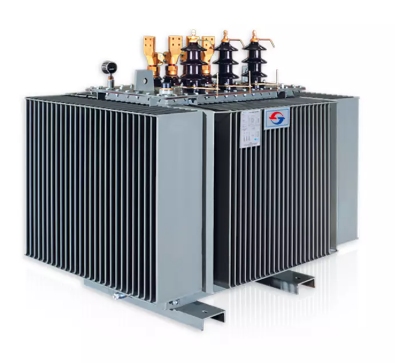
Three-phase transformers suit industrial places well because of their strong efficiency and even power supply. They offer a steadier power flow than single-phase systems. This cuts down vibrations and mechanical strain on gear. Their build permits smaller conductor sizes. It also lowers copper losses.
From a financial view, three-phase transformers save money more than others. They handle greater power with less current. This reduces energy waste over far distances. SHENGTE low loss, energy-saving oil immersed transformer has a layered iron core build for better results. This quality leads straight to lower running costs for plants and making sites that rely on steady electricity.
Picking the proper three-phase transformer calls for thoughtful review of various elements:
l Load Requirements: Figure out current and upcoming load needs to secure enough capacity. This avoids overloads.
l Environmental Conditions: High or low temperatures, moisture amounts, and contact with dust or chemicals can impact how it works.
l Voltage Ratings: Matching with current electrical setups is key to prevent waste or dangers to safety.
For spots needing small setups like city or open areas, the pad mounted transformer works well. Also called the American Box Transformer or combined transformer, it acts as a main power supply in cable networks. Its sealed style guarantees trust even in tough settings.
Efficiency ratings show how effectively a transformer turns input power into useful output power. It does this with few losses from heat or magnetization. A better efficiency rating means smaller energy waste and cheaper costs over years.
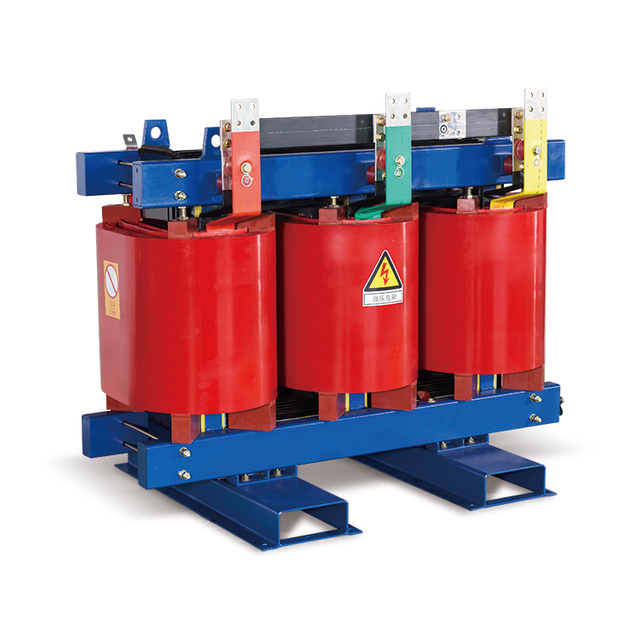
SHENGTE epoxy resin dry type transformers show outstanding efficiency. They have small running losses, little noise, and great heat spread. These traits fit industrial uses where trust and energy savings matter most. Looking at efficiency ratings between types aids in finding choices that mix cost with lasting gains.
Good installation brings safety and long life. Site prep should cover firm bases without water buildup. Enough airflow is needed for heat release.
Safety steps demand cutting power to circuits before setup. Also, check grounding links. The box has a special grounding conductor made of copper tape. Grounding stops electrical issues that might harm gear or put people at risk.
Regular upkeep involves looking over for spills or rust, testing insulation strength, watching oil amounts (for oil-immersed kinds), and wiping dust from outside.

Dry type transformer uses unique insulation materials to block current and avoid sparks. Its iron core and winding stay out of insulating oil. Such plans lessen upkeep since oil dirt or spills pose no threat. Checking temperature sensors and safety relays often boosts work reliability.
At SHENGTE, we focus on building high-performing three-phase transformers fit for many industrial tasks. Our range covers dry-type epoxy resin cast transformers. They stand out for safety and low upkeep. We also offer energy-smart oil-immersed units for tough jobs.
Epoxy resin cast dry transformer ensures safe running, resists flames and fire, and causes no pollution. Our transformers follow worldwide quality rules. They promise solid work even in hard conditions.
Our builds add fresh ideas like forced air cooling systems. These can handle 120% rated load work. That suits industries needing steady output during busy times. We stress tight construction for tight-space setups. It keeps strength and safety intact.
A: A three-phase system gives higher efficiency by spreading electrical loads evenly over all phases. It lessens transmission waste and yields smoother torque for motors. Plus, it cuts wiring expenses since thinner conductors can manage the same power as single-phase ones.
A: Add up all linked equipment’s power values (in kVA) to get total load. Include extra room, usually 20%, for growth or surprise peaks. Make sure voltage matches system needs before picking the final one.
A: Though possible in theory, three-phase transformers rarely appear in homes because of steep setup costs and added complexity. Yet, they might serve in big apartment buildings or sites needing strong power spread. There, even loads improve steadiness.
By grasping how these tools operate, and by selecting trusted makers like SHENGTE, industries can secure smart energy handling. They also keep work safety across every part of production setups.