- All
- Product Name
- Product Keyword
- Product Model
- Product Summary
- Product Description
- Multi Field Search
Views: 0 Author: Site Editor Publish Time: 2026-03-10 Origin: Site
Three-phase transformer efficiency mainly depends on the design, materials, and working conditions. The core material is key in cutting energy losses. SHENGTE employs top-grade iron cores in making the transformers. The iron core uses a stacked setup. It consists of silicon steel sheets thinner than 0.35mm with strong magnetic conductivity. This setup cuts down no-load loss and no-load current in the three-phase transformer. Such a design lowers both hysteresis and eddy current losses. As a result, three-phase transformers achieve excellent energy performance.
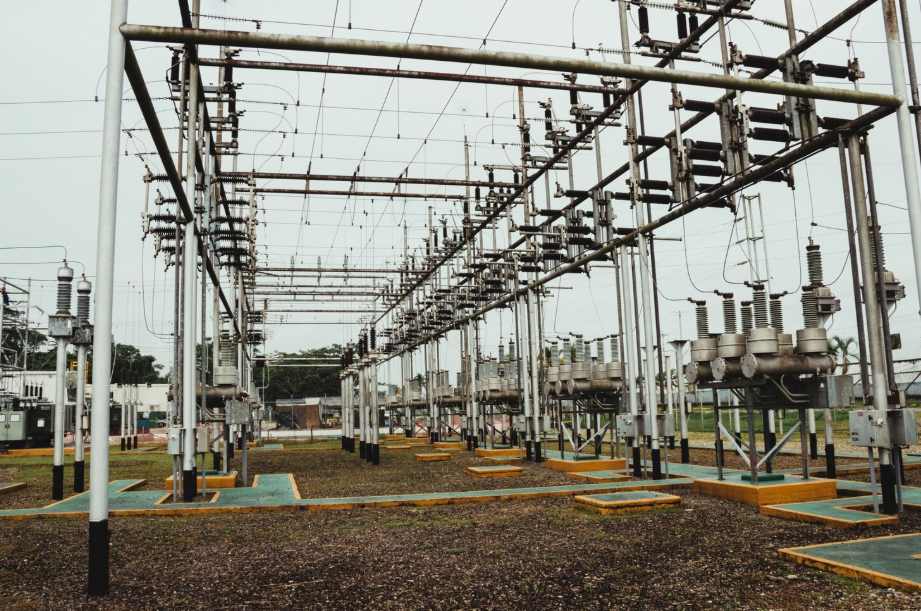
Load conditions greatly impact efficiency too. Three-phase transformers work best near their rated capacity. Partial or overload situations raise copper losses from winding resistance. Moreover, temperature changes affect insulation quality and overall dependability.
Maintenance routines also matter a lot. Regular checks keep cooling systems, insulation strength, and electrical links in top shape. A properly cared-for three-phase transformer runs close to its planned efficiency over its full life.
Boosting three-phase transformer efficiency calls for a mix of steady maintenance, design tweaks, and better materials. Normal checks spot issues early. Examples include loose links or oil dirt in oil immersed types. Oil immersed transformer relies on oil as the chief insulation and cooling agent. It features a sealed build to fully separate the transformer oil from outside air. Thus, the transformer runs safer, more dependably, and with less upkeep. This closed setup blocks oxidation and water entry that might harm performance.
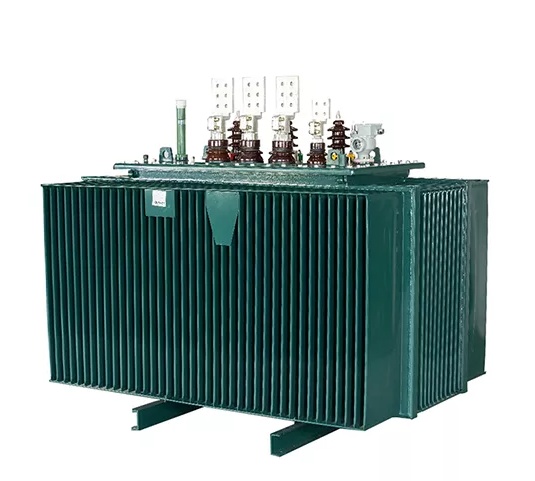
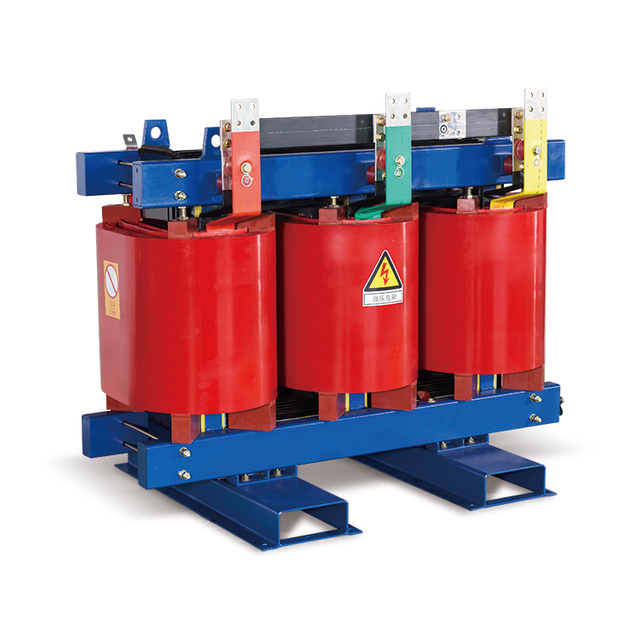
Cooling setups are essential for handling heat release. Dry type transformer uses unique insulation materials to block current and stop arcing. Its iron core and winding stay out of insulating oil. Cooling options include natural air cooling and forced air cooling. These methods allow steady work even under heavy loads. They also lengthen part lifespan.
Lastly, energy-saving parts like low-loss cores or modern winding materials boost performance more. The high-voltage winding gets vacuum-cast with epoxy resin plus fillers. This gives low partial discharge and strong electrical strength in the coil. These traits ensure little internal heating and better dielectric strength.
Three-phase transformer efficiency shapes running expenses by lowering energy use and upkeep costs. Smaller energy losses mean less power drawn over time. For example, SHENGTE low loss, energy-saving oil immersed transformer has a layered iron core build for great results. This setup brings clear cuts in power waste during transfer.
Efficient transformers face fewer failures since they stay at ideal heat levels. Less physical strain leads to rarer part swaps like windings or insulation. In turn, groups save on fix costs and time lost to upkeep tasks.
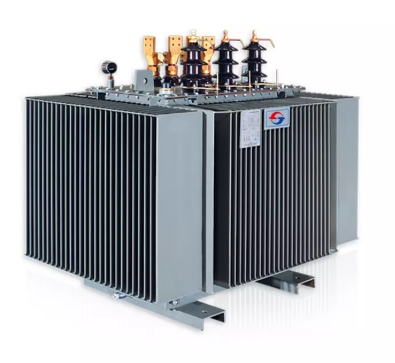
Putting money into new high-efficiency transformers is a top way to drop long-term running costs. Modern builds like epoxy resin dry type or oil-immersed models from SHENGTE aim to cut both no-load and load losses. They also provide longer service life.
Smart placement aids cost cuts as well. Setting transformers near load spots shortens cable lengths and reduces line losses. Plus, good airflow aids heat release. This is vital for steady work in different surroundings.
For instance, The pad mounted transformer, also known as the american box transformer or combined transformer, acts as a key power supply in cable networks. Its small size fits flexible setup in tight city spots. It keeps efficient running via built-in safety gear.
At SHENGTE, we blend fresh ideas with trustworthiness to reset standards for three phase transformer efficiency. Our items merge cutting-edge engineering with tough materials. This yields top performance in many uses.
SHENGTE epoxy resin dry type transformers show great efficiency with small running losses, low noise, and fine heat release. They can handle 120% load with forced air cooling. This shows our drive to offer fixes that go beyond usual bounds. We keep safety in tough spots.
We stress quality build methods that build lasting strength too. The spiral coil with longitudinal oil duct offers good heat release, low magnetic leak, and high mechanical power. A solid support setup boosts short circuit resistance a lot. These advances ensure steady running even in voltage swings or brief overloads typical in factory settings.
Picking our three phase transformers brings real gains past just energy cuts. We give fair prices without skimping on quality or tech know-how. This makes our gear open to varied fields like factories, hospitals, airports, and home areas.
Our post-sale help keeps users at best running states over product lives. Be it tips on setup spots or planned upkeep, our tech pros give full aid fit to each buyer's wants.
Plus, our builds stress eco care by cutting emissions and backing green power sharing. This matches world efficiency rules.
A: Energy losses typically occur due to core losses (hysteresis and eddy currents) and copper losses in the windings.
A: Routine inspections should be conducted annually, with more thorough maintenance every 3 to 5 years depending on operating conditions.
A: Yes, upgrading components such as the core material or winding can enhance efficiency, though it may require a cost-benefit analysis to ensure it is financially viable.