- All
- Product Name
- Product Keyword
- Product Model
- Product Summary
- Product Description
- Multi Field Search
Views: 0 Author: Site Editor Publish Time: 2024-09-02 Origin: Site
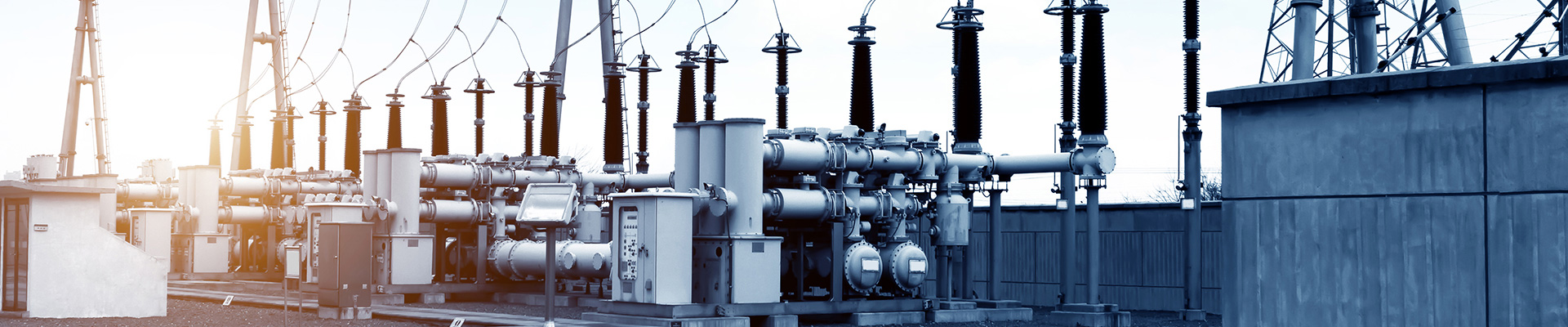
Prefabricated substations are gaining popularity due to their versatility and ability to be deployed in various settings. From urban centers to remote locations, these modular power solutions are transforming the landscape of electrical distribution and management. This article explores the diverse applications of prefabricated substations and their significance in today’s energy sector.
Urban areas are constantly expanding, and with this growth comes an increased demand for power. Prefabricated substations offer a modular solution that can be quickly deployed to meet the needs of growing cities. These substations are designed to be compact and efficient, making them ideal for urban environments where space is at a premium.
One of the key advantages of prefabricated substations in urban settings is their ability to be integrated into existing infrastructure. They can be easily connected to the city’s power grid, ensuring a seamless transition to a more robust and reliable power supply. This is particularly important in densely populated areas where power outages can have a significant impact on daily life.
Moreover, the modular design of these substations allows for easy scalability. As the city continues to grow, additional modules can be added to the existing substation to enhance its capacity. This flexibility ensures that urban centers can adapt to changing energy demands without the need for extensive and disruptive construction projects.
In contrast to urban centers, rural areas often face challenges related to the accessibility and reliability of power supply. Prefabricated substations play a crucial role in rural electrification efforts, providing a flexible and cost-effective solution for extending power to remote locations. These substations are designed to be robust and durable, capable of withstanding harsh environmental conditions commonly found in rural settings.
The deployment of prefabricated substations in rural areas is not just about providing electricity; it’s also about fostering economic development. Reliable power supply can stimulate local businesses, improve agricultural productivity, and enhance the overall quality of life in these communities. For instance, farmers can use electric-powered equipment for irrigation and crop management, leading to increased efficiency and yield.
Additionally, the modular nature of these substations makes them ideal for temporary or seasonal use in remote areas. They can be deployed for specific projects, such as construction or mining operations, and then relocated as needed. This flexibility reduces the need for permanent infrastructure, which may not be economically viable in sparsely populated regions.
Prefabricated substations are not only used in civilian applications but also play a vital role in military and defense settings. These substations are designed to be highly mobile and can be rapidly deployed to support military operations in various terrains and climates. Their modular design allows for quick assembly and disassembly, making them ideal for temporary military installations.
In military applications, the need for a reliable and secure power supply is paramount. Prefabricated substations are equipped with advanced features to ensure the integrity and security of the power system. They can be designed to withstand extreme conditions, including harsh weather and potential attacks, ensuring uninterrupted power supply to critical defense operations.
Moreover, the deployment of these substations in military settings often involves the integration of renewable energy sources, such as solar panels or wind turbines. This not only reduces the carbon footprint of military operations but also enhances energy security by diversifying the power supply sources.
In times of crisis, such as natural disasters or humanitarian emergencies, the need for a reliable power supply becomes even more critical. Prefabricated substations are increasingly being used in disaster response and emergency management scenarios. Their ability to be quickly deployed and set up in various locations makes them an invaluable tool for restoring power in affected areas.
These substations can be equipped with features that allow them to operate independently of the main power grid, making them ideal for use in remote or severely damaged areas. They can be powered by renewable sources, such as solar or wind, or by backup generators, ensuring a continuous power supply even in the absence of conventional power sources.
Additionally, the modular design of these substations allows for easy transportation and deployment, even in challenging terrains. This flexibility is crucial for disaster response teams, who need to be able to set up power solutions quickly and efficiently in order to support relief efforts and restore normalcy in affected communities.
The industrial and commercial sectors are significant consumers of electrical power, and the integration of prefabricated substations into these sectors is becoming increasingly common. These substations are designed to meet the specific needs of industrial and commercial applications, providing a reliable and efficient power supply for various operations.
In industrial settings, prefabricated substations play a crucial role in enhancing operational efficiency. They can be configured to support high-power demand applications, such as heavy machinery and equipment, ensuring that these operations run smoothly and without interruption. The modular design also allows for easy expansion and modification as industrial needs evolve over time.
For commercial applications, the focus is often on energy efficiency and cost-effectiveness. Prefabricated substations can be equipped with advanced monitoring and control systems that help businesses optimize their energy consumption. This not only reduces operational costs but also contributes to sustainability efforts by minimizing energy waste.
Furthermore, the integration of these substations into industrial and commercial settings can facilitate the adoption of renewable energy sources. By incorporating solar panels or wind turbines, businesses can reduce their reliance on fossil fuels and decrease their carbon footprint.
In conclusion, prefabricated substations are versatile power solutions that find applications across various sectors, from urban centers to rural areas, military and defense, disaster response, and industrial and commercial integration. Their modular design, ease of deployment, and ability to integrate renewable energy sources make them an essential component of modern power distribution and management systems. As the demand for flexible and efficient power solutions continues to grow, the role of prefabricated substations in shaping the future of energy distribution will only become more prominent.