- All
- Product Name
- Product Keyword
- Product Model
- Product Summary
- Product Description
- Multi Field Search
Views: 0 Author: Site Editor Publish Time: 2025-11-28 Origin: Site

 Portable substations are becoming a major force in modern power distribution. As grids expand, old networks upgrade, and remote areas demand temporary electricity, these compact stations solve problems that traditional setups cannot. In many cases, the heart of a portable substation—the transformer—decides whether the entire system performs well or fails early. By 2025, buyers and project owners are paying far more attention to how these transformers work under pressure, how safely they run outdoors, and how they fit into fast-changing grid conditions.
For companies choosing equipment for upcoming energy projects, it is useful to know what matters most. This blog explores the main requirements for transformers used in portable substations, and it highlights how SHENGTE, a manufacturer specializing in distribution transformers and compact substations, designs its products to meet these needs. Two models commonly applied in outdoor or temporary power projects—the YBP 400kVA 10kV/400V Delta Connection Cubicle-Type Pre-Fabricated Transformer Box Substation and the YBP 200kVA 10kV/0.4kV Outdoor Boxtype Preinstalled Distribution Transformer Substation—serve as clear examples.
Around the world, the push for flexible energy solutions keeps accelerating. Emergency repairs, construction sites, disaster recovery, mining zones, and remote communities all need modular power. In these situations, portable substations replace large infrastructure that might take months to build.
Transformers placed in these environments must be able to deliver stable power in very unstable places. They should handle dusty air, sudden weather changes, and fluctuating loads. Compact size has become a core requirement as well. A unit that takes up less room moves faster, installs quicker, and reduces total project cost. At the same time, heat management cannot be ignored. A transformer that gets too warm loses efficiency and risks faults.
In 2025, performance expectations will rise even more. Users want transformers that:
1. stay stable during rapid load variations
2. handle both heat waves and freezing conditions
3. maintain low power losses
4. keep voltage levels steady under stress
5. survive frequent relocation or repositioning
SHENGTE designs its portable substation transformers with these factors in mind, pairing strong electrical performance with durable outdoor protection. Their products target real project conditions instead of ideal laboratory environments.
Portable substations serve many different customers. One day they may power a rural distribution line, and the next day they may feed construction machinery or emergency facilities. This wide variety demands flexible voltage support.
A suitable transformer must manage multiple input and output levels so it can work equally well in:
1. urban grid extensions
2. industrial zones
3. remote villages
4. temporary construction sites
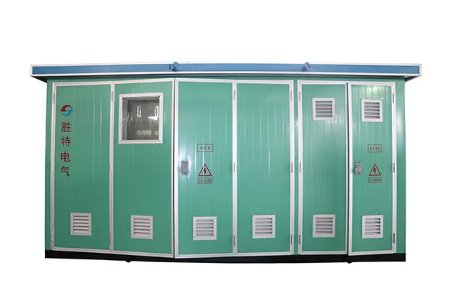
This is one reason SHENGTE’s YBP 400kVA 10kV/400V Delta Connection Cubicle-Type Pre-Fabricated Transformer Box Substation is used frequently in mid-scale projects. It supports medium-voltage inputs and delivers a dependable 400V output for day-to-day loads. Its structure is built for smooth integration, and it handles load changes without causing dips or spikes.

Smaller projects—like outdoor events, small workshops, or village-scale supply—often choose the YBP 200kVA 10kV/0.4kV Outdoor Boxtype Preinstalled Distribution Transformer Substation. This model keeps voltage stable even when the environment or usage pattern is inconsistent. It fits easily into limited spaces, which makes it ideal for rapid deployment.
Portable substations do not have the luxury of wide land area. They must fit into tight corners on construction sites, highway sections, remote stations, or temporary industrial areas. Transformer design therefore must combine power density with compact structure.
One key advantage of modern portable substations is modular construction. SHENGTE uses pre-fabricated layouts that place the transformer, protection devices, and switchgear in a controlled space. This reduces installation time and ensures stable wiring.
Units like the YBP 200kVA outdoor model demonstrate how functional elements can be grouped without sacrificing accessibility. Even inside a small footprint, operators can monitor conditions, access wiring, and conduct quick checks.
Modular setups also let project teams expand capacity when necessary. Instead of rebuilding a site, they simply place another pre-fabricated unit alongside the existing one.
Cooling is one of the defining choices in transformer selection:
1. Oil-immersed transformers dissipate heat well and operate reliably under heavy loads.
2. Dry-type (air-cooled) transformers reduce fire risk and meet strict safety rules.
3. For portable substations, the correct choice depends heavily on location:
4. High-load construction zones benefit from oil cooling.
5. Fire-sensitive or environmentally regulated areas prefer air cooling.
SHENGTE manufactures both types and adjusts insulation materials, coil structure, and ventilation paths to match outdoor demands. The goal is simple: keep the transformer cool without increasing maintenance workload.
Portable substations face harsh surroundings. Wind, sand, moisture, vibration, and temperature swings all affect performance. A transformer built for indoor factories will not survive long outdoors. This is why protection features matter so much.
A good transformer in a portable substation should include:
1. overload protection
2. short-circuit resistance
3. surge suppression
4. thermal protection
5. automatic isolation when faults occur
SHENGTE integrates these mechanisms directly into their designs. This helps reduce unexpected shutdowns and prevents damage to connected systems. When faults happen in remote sites, the built-in protection minimizes risks and keeps the outage small.
Outdoor transformers must comply with strict environmental rules. Important design elements include:
1. high IP ratings to block water and dust
2. anti-corrosion coatings
3. UV-resistant surfaces
4. low-noise materials for urban zones
SHENGTE applies protective coatings and selects durable housing structures for long-term outdoor use. Even in humid coastal regions or dusty industrial sites, the company’s portable substation transformers resist wear and keep operating safely.
As power networks grow smarter, even portable substations must integrate with digital systems. Operators now expect remote access, quick diagnostics, and real-time reporting.
Transformers equipped for 2025 should be able to connect with:
1. SCADA systems
2. IoT sensors
3. cloud-based monitoring tools
This allows operators to track load, temperature, and operating status without being on-site. Early detection prevents downtime and makes scheduling maintenance far easier. SHENGTE’s substation units support real-time monitoring configurations, preparing projects for next-generation grid standards.
Solar and wind installations are expanding rapidly. Portable substations often support temporary renewable setups or act as backup units in mixed-energy environments.
A transformer must handle:
1. frequent input fluctuations
2. intermittent power
3. voltage instability from renewables
SHENGTE’s outdoor transformer models are built to smooth output during these variations. Their voltage regulation capabilities help maintain reliability, which is essential when wind or sunlight changes suddenly.
Comparing the two SHENGTE models reveals how engineering aligns with different project needs:
Model | Best For | Key Advantages |
YBP 400kVA 10kV/400V | Industrial zones, mid-scale grids | Strong load handling, delta connection stability, compact protection design |
YBP 200kVA 10kV/0.4kV | Temporary sites, rural distribution, tight spaces | Lightweight, quick to deploy, fully pre-installed outdoor design |
This distinction helps project planners select the most suitable unit rather than overspending or under-sizing equipment.
Choosing the right transformer is only the first step. Ongoing service, technical guidance, custom configurations, and fast delivery all affect long-term performance. SHENGTE’s service team provides:
1. installation support
2. maintenance guidance
3. technical consultation
4. custom specifications for unique sites
A transformer should have strong waterproofing, dust protection, corrosion-resistant metal, and stable cooling. These features help it survive rain, heat, cold, and industrial environments.
They allow operators to check performance in real time, detect faults early, prevent shutdowns, and reduce maintenance costs.
Solar and wind power fluctuate. Transformers with voltage-stabilizing abilities ensure stable output even when energy input changes quickly.