- All
- Product Name
- Product Keyword
- Product Model
- Product Summary
- Product Description
- Multi Field Search
Views: 0 Author: Site Editor Publish Time: 2025-12-08 Origin: Site
What Role Does a Unit Substation Transformer Play in Power Distribution?
How Does the Transformer’s Configuration Affect System Architecture?
What Technical Features Should You Evaluate When Selecting One?
Why Should You Consider SHENGTE for Your Power Distribution Needs?


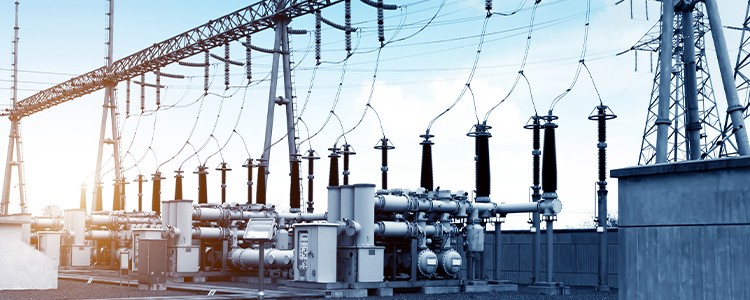
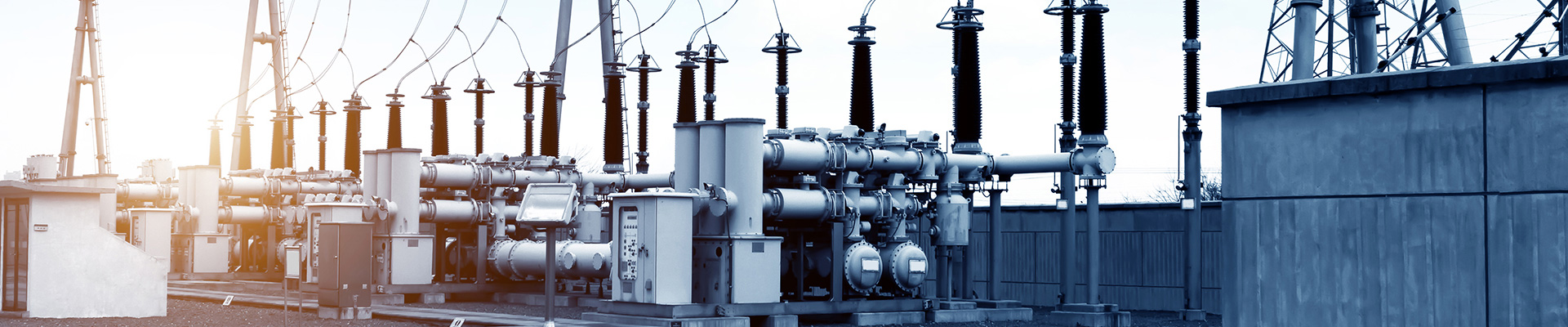
A unit substation transformer is a very important and self-contained part of the power distribution network. It skillfully changes medium-voltage electricity into low-voltage power that people can actually use. Its clever design combines it with switchgear. This setup cuts down on wasted energy. It also makes things safer by keeping live parts locked away inside. Furthermore, it makes the whole power system more dependable. We put this transformer near the buildings and equipment it powers. Doing this makes sure the voltage stays steady and strong. It also lets the power system grow and change easily. This is perfect for the different needs of factories, big stores, schools, and hospitals.
A unit substation transformer has a key job in power distribution systems. Its main task is to change medium-voltage electricity into low-voltage power. The medium voltage is usually between 2.4 kV and 34.5 kV. The low voltage it makes is often 400 V or 208 V. This new, lower voltage is just right for running things in shops, factories, and schools. Stepping down the voltage is very important. It keeps everyone safe. It also helps all the machines and lights work well and without wasting energy.
These transformers are built to fit right in with switchgear and low-voltage panels. They come together to make a single, small, and ready-to-use power package. This whole assembly does not take up much room. It is also very easy to put in place. There is another type called a prefabricated substation. Some people call it a European style box transformer. This kind has the transformer, the high-voltage switchgear, and the low-voltage switchgear. But in this type, each piece is put in its own spot. Then, they are all joined together with cables.
Putting the transformer near where the power is used is a smart move. It means the wires carrying the electricity don't have to be very long. Shorter wires mean less power is lost as heat. This makes the whole system work better. It also has benefits like being simple to install. It does not lose much power. It is very quiet. It can also handle short-circuits and too much power without breaking.
The design of a unit substation transformer is very tight. The transformer sits right next to the high-voltage and low-voltage switchgear. This close setup means the cables connecting them are very short. Short cables have less electrical resistance. Less resistance means less voltage is lost. It also means less energy is wasted, which is especially good when the system is working at its hardest.
Putting everything inside a case makes it much safer for workers. There are no live electrical parts out in the open. This enclosed design also lowers the risk of dangerous electrical flashes during use or repair. Modern equipment is used inside, like vacuum switchgear and dry transformers. These parts do not need oil, which makes them safer. There are no live parts you can touch, and the whole structure is insulated.
Also, special shielding inside the transformer box stops electrical noise. This is really important when the transformer is near computers or other sensitive electronics. For example, some transformers called pad mounted types are completely sealed. Their parts are fully insulated. This keeps people safe and stops electrical noise from getting out.

We can set up unit substation transformers in different ways to fit the job.
· Radial feed systems are simple. Power comes from just one place and goes out to the loads. People like these for smaller shops or factories because they are easy and cost less to start with.
· Loop feed systems are more complex. They have power coming from two directions. This means even if one power source stops working, the other can keep the lights on. This is great for very important places like hospitals, computer data centers, or train systems.
· Sometimes we need special setups. These can have two sources or two transformers working together. This gives extra backup or more power. You often see this in huge manufacturing plants or college campuses where they cannot afford to lose power.
In the power distribution system, it can work for a ring network. It can also work for a system with two power supplies or a simple radial system.
Putting unit substation transformers close to the main power users is a good idea. It helps keep the voltage steady and strong. This happens because the electrical wires are shorter, so they resist the flow of electricity less. It also helps make sure the power is balanced across all three phases. When we spread out several transformers in a big facility, it helps manage the power load on each phase. This stops problems that can happen when the load is uneven.
Also, having transformers in different spots helps keep the voltage good even when everyone is using a lot of power. It also lets us watch the power use in each area. It is used for getting and handing out electrical energy. It also fits well with city rules and being kind to the environment.
When a factory gets bigger or changes its layout, these modular transformers are a big help. We can add more without having to redo all the wiring or tear down walls. Being able to change quickly without causing big problems is a huge plus in a busy workplace.
Several technical things tell you how reliable a unit substation transformer will be:
· Load loss is measured when it's working at its normal power. Lower load losses mean the system uses energy better, which saves money.
· Impedance affects how much current flows during a fault. Getting the impedance right is needed for the safety breakers to work properly.
· Temperature rise is set by international rules. It tells you how hot the transformer gets when working hard. Transformers that run cooler usually last for a longer time.
Dielectric strength and the insulation class show how well the transformer can handle electrical stress over many years. Good insulation stops small electrical discharges that can damage the inside parts.
Better models might have built-in heat sensors and systems to protect against overloads. These features let you watch the transformer in real-time. They can also make it turn off by itself if something is wrong. It often comes with an S11 type transformer inside. This type works very well. It loses little power, makes little noise, and does not get too hot. It is also tough and can handle overloads, short circuits, and hard hits.
Picking the right kind of box is important for the transformer to work well in its location:
· Enclosures for inside buildings are made for offices or clean industrial areas.
· Enclosures for outside use are built tough. They can handle rain, dirt, strong sunlight, and hot and cold weather.
The box has plenty of air holes and layers to keep heat in. This makes sure all the equipment inside does not get hotter than it is allowed to. You also need to think about air flow. Sealed boxes are good for dirty places like cement plants because dust cannot get in. Boxes with vents let heat out better but need a cleaner area. Some types, like underground substations, are sealed so tightly they can even work under water. Their tank is made of stainless steel and can be totally submerged.
If you want a well-made transformer with great support, SHENGTE has what you need. They make solutions for power networks that work very efficiently. Their transformers are made with great care. They use top-quality cores, windings that lose very little power, and strong insulation systems. This means you get steady power, even in tough factory conditions.
SHENGTE sells both dry-type and oil-filled transformers. These meet international and national standards. This gives you choices for your project. Their way of building them in modules lets them fit into smart power grids. And they still don't take up much space.
Their designs follow all the important rules. They also have great features like vacuum circuit breakers and smart protection systems. This is similar to advanced prefabricated substations that can run without a person always watching them.
SHENGTE does more than just build good products. They help you for the whole life of the transformer. They offer advice, help with installation, and plans for regular check-ups. This help lets you avoid stoppages and get the most value from your equipment.
You can learn more about what they sell at the SHENGTE Transformer website. There you can find product information, papers that prove their quality, and books to help you choose the right one.
Q: Can a unit substation transformer be used in renewable energy applications?
A: Yes, it can. It can take the higher voltage from solar panels or wind turbines and lower it. This power can then be used in a building or sent to the main grid. It keeps the output steady even when the sun or wind changes.
Q: What’s the typical lifespan of a unit substation transformer?
A: If you take good care of it, most of these transformers will work well for 25 to 30 years. How long it lasts depends on the weather and how hard you work it.
Q: Is it possible to retrofit an existing system with a new unit substation transformer?
A: Yes, it is. New designs are made to connect to older switchgear. You can do this without stopping work for a long time or changing the building much.