- All
- Product Name
- Product Keyword
- Product Model
- Product Summary
- Product Description
- Multi Field Search
Views: 0 Author: Site Editor Publish Time: 2025-10-29 Origin: Site
Picking the perfect Electrical Switchgear is really important for keeping power systems safe, steady, and working great. Electrical Switchgear is like the main control center for power setups. It manages, protects, and separates equipment in places like factories, stores, or homes. Whether you’re building a power plant, an office, or a house, knowing how to choose Electrical Switchgear makes everything run smoothly and safely.

You need to think about some key stuff to pick Electrical Switchgear that works for you and stays reliable for years.
Load capacity is a big deal when choosing Electrical Switchgear. The GGD type AC low voltage switchgear is made for AC 50Hz systems. It’s rated at 380V and can handle up to 3150A. You need to match it to your system’s biggest current. This includes normal use, busy times, motor starts, and plans for growth. Picking the right size stops overheating. It also saves money on fixes and keeps things running well.
Different places need different kinds of Electrical Switchgear. The GGD type AC low voltage power distribution cabinet is awesome for power plants, substations, factories, and mines. It handles power for lights, machines, and distribution. Factories need tough switchgear for rough conditions, lots of switching, and big fault currents. Stores want small, nice-looking gear that’s easy to fix. Homes need simple, cheap options. Every place has its own safety and work needs that shape what switchgear you pick.
Voltage levels change how Electrical Switchgear is made, insulated, and kept safe. Low voltage switchgear, under 1000V, works in buildings and factory controls. Medium voltage, from 1kV to 35kV, is for factories and power networks. High voltage, over 35kV, fits big transmission lines and huge factories. Each level needs special insulation, arc control, and safe spacing. These guide what gear you choose and how you set it up.
Where you put Electrical Switchgear matters a lot. Indoor setups have steady conditions, so they can be smaller with simple protection. Outdoor setups face wild weather, wet air, rain, sun, and dust or salt. These need strong cases and rust-proof parts. You might also need heaters or vents to keep things working well for a long time.
Following safety rules is a must for Electrical Switchgear. The GGD type meets standards like IEC439 and GB7251.1, so it’s a good swap for old low-voltage switchgear. You need to know local codes, industry rules, and world standards. This ensures your switchgear is safe and works right. Standards like IEEE, IEC, and NEMA cover things like spacing, arc flash safety, grounding, and keeping workers safe.
Different kinds of Electrical Switchgear have special benefits for different jobs. Knowing these helps you pick the right one.
Air-insulated switchgear uses regular air to insulate, so it’s cheaper. It’s easy to check and fix. It has clear spots to see for safety. AIS is great for outdoor substations and factories with plenty of space. Its flexible design lets you add parts easily. Common pieces make fixes affordable over time.
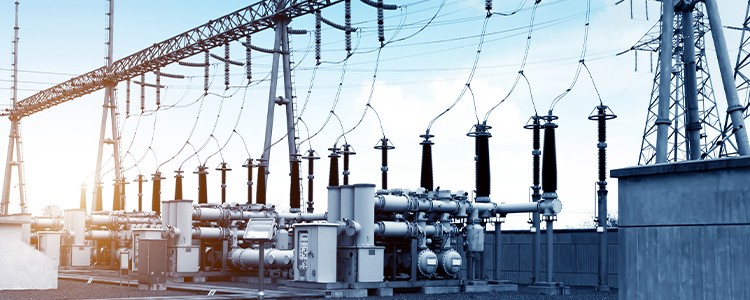
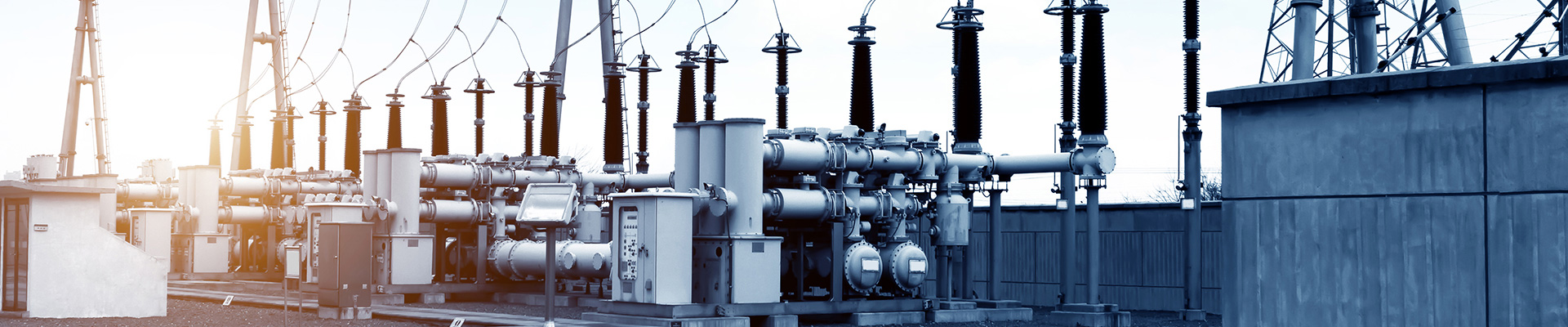
Gas-insulated switchgear uses SF6 gas to insulate and stop arcs. This makes it really small. GIS is perfect for city substations, offshore platforms, or factories with little space. Its sealed setup keeps out dirt and cuts down on fixes. But GIS needs special care for SF6 gas. It’s best where saving space is worth the extra cost.
Vacuum circuit breakers are super for medium voltage because they work well and need little care. The vacuum stops arcs fast and lasts a long time. It’s quiet and doesn’t make bad gases. This makes it ideal for indoor spots, hospitals, data centers, and factories that need reliability and low environmental impact. Its small size and easy care save money over time.


Metal-clad switchgear gives awesome safety with fully closed, separated sections and grounded barriers. It keeps workers safe but needs more room and cash. Metal-enclosed switchgear is cheaper with metal cases but less separation. Choose based on safety needs, space, budget, and what the job asks for.
Checking how Electrical Switchgear performs makes sure it stays safe and reliable for years.
Short-circuit withstand capability shows if Electrical Switchgear can handle faults without breaking. The GGD type has great segmentation and heat stability. It’s practical with strong protection. It deals with heat and forces during faults. Good ratings keep switchgear safe. This protects systems and people until the issue is fixed.
Interrupting capacity is the biggest fault current a breaker can stop safely. It must be higher than your system’s max fault current, even if the system grows later. Strong interrupting capacity means breakers clear faults without breaking. A low rating can cause failures, damage, or danger.
Upkeep affects costs and reliability over time. New Electrical Switchgear uses better materials and sealed parts to need fewer fixes. Think about how easy it is to check, how often you need to service, and if parts are easy to get. Gear with low upkeep saves cash and keeps systems running without stops.
Flexible, modular Electrical Switchgear lets you add more as needs grow. You can pop in new circuits or controls easily. This is great for growing factories, stores, or power systems. Look for standard parts and systems to make upgrades easy and cut training needs.
Every place needs Electrical Switchgear that fits its special needs and limits.
Industrial switchgear must handle lots of use, rough conditions, and big fault currents. The GGD type is great for power plants, substations, and factories. It manages power conversion and control. Think about motor starting, handling harmonics, and connecting to control systems. Features like arc flash protection, remote control, and monitoring are super important for factories.
Commercial switchgear needs to save space, look nice, and keep people safe in busy places. The GGD type handles power for lights and other needs steadily. Pick compact, quiet designs with fire resistance and easy fixes. Connecting to building systems and saving energy are also big deals.
Residential switchgear focuses on being easy, affordable, and low-maintenance. Rated at 380V and up to 3150A, the GGD type meets energy and design rules for safety and savings. Choose simple setups, easy-to-use designs, and common parts. Safety for regular folks and smart home connections are getting more important.
Finding a reliable supplier is super important when picking Electrical Switchgear for any job.
SHENGTE is a top maker of distribution transformers. SHENGTE provides solid equipment for modern power systems. As expert transformer makers, they offer dry-type and oil-immersed transformers, plus low and high voltage switchgear. This ensures safe, smooth operation for many uses. Located in Danzao Town, Nanhai District, Foshan City, Guangdong Shengte Electric Co., Ltd. cares about quality, new ideas, and helping customers.

SHENGTE checks every distribution transformer and switchgear before it ships. As transformer makers, they focus on giving users top-notch power distribution transformers and Electrical Switchgear. Their skilled R&D team, with over 10 years of experience and national certification, makes sure products meet high standards for performance and reliability in all kinds of jobs.
Choosing the right Electrical Switchgear means thinking about load capacity, job needs, voltage levels, where it’s used, and safety rules. Knowing the types of switchgear and their perks helps you choose smart. Things like short-circuit strength, interrupting capacity, and upkeep needs affect long-term success and costs. By following tips for specific uses and working with trusted suppliers like SHENGTE, you can get safe, reliable, and efficient power systems for years.
Q1: What’s the difference between air-insulated and gas-insulated switchgear?
A: Air-insulated switchgear (AIS) uses air to insulate, so it’s cheaper and easier to fix. Gas-insulated switchgear (GIS) uses SF6 gas, making it smaller for tight spaces. GIS costs more and needs special care but protects better against dirt and needs fewer fixes.
Q2: How do I pick the right voltage rating for switchgear?
A: Pick a voltage rating that matches your system’s normal voltage, with extra room for safety. Low voltage systems use 380V to 690V, medium voltage 1kV to 35kV. Check system limits, insulation needs, and local rules. Talk to engineers to make sure you pick right.
Q3: Do I need to check switchgear regularly?
A: Yes, regular checks keep Electrical Switchgear safe and working. How often depends on the type, where it’s used, and maker advice. Tasks include looking it over, testing, cleaning, and swapping parts. New designs need less work, but skipping checks can cause breakdowns, dangers, or downtime. Follow the maker’s plan.