- All
- Product Name
- Product Keyword
- Product Model
- Product Summary
- Product Description
- Multi Field Search
Views: 0 Author: Site Editor Publish Time: 2025-10-23 Origin: Site
1.Overview of a Substation and Its Role in Power Distribution
2.Power Transformers: Managing Voltage Levels
3.Switching Equipment: Ensuring Safe Control and Isolation
4.Protection and Control Systems: Monitoring and Automation
5.Introduction to SHENGTE as a Trusted Electrical Supplier
6.Summary of the Three Main Parts of a Substation
The modern electrical grid depends on substations as essential connection points which maintain both safety and operational efficiency of power transmission and distribution. The substation system performs essential duties which include voltage conversion and system protection and load management and operational control. The path of electricity from power plants to residential and industrial areas requires knowledge of substation components.
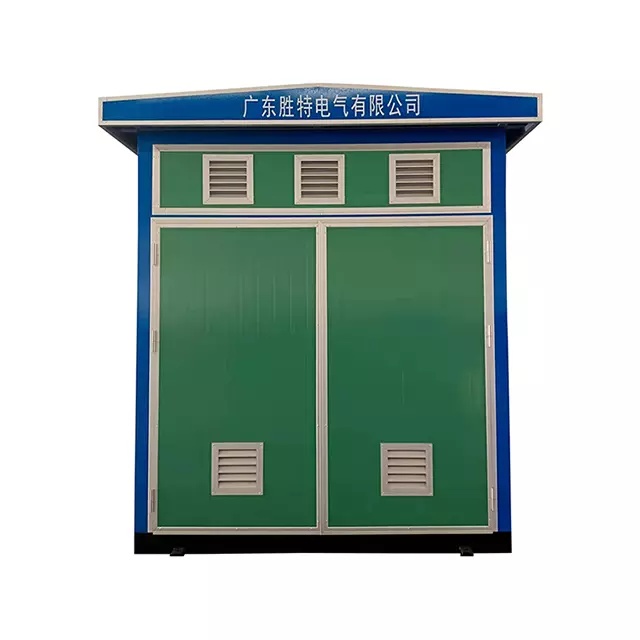
Substations function as complex systems which extend beyond their transformer-enclosed boundaries to handle power transmission while safeguarding equipment and maintaining grid stability.
The electrical substation functions as a vital power distribution system element which contains transformers and switchgear and control systems. The three components function together to handle voltage management and circuit control and system operation management. The power distribution system uses substations to connect power generation stations with end users through voltage transformation for transmission and distribution.
The main function of substations is to transform high voltage electricity generated by power plants into distribution voltages that serve residential and commercial areas. The process of voltage reduction enables safe and efficient power delivery across extended transmission lines. The monitoring systems built into substations enable load management and fault detection which prevents power outages.
The substation requires transformers to perform its essential function of voltage regulation.
Transformers operate to adjust voltage levels which enables both efficient power transmission and proper voltage delivery to final consumers. The devices function to increase transmission efficiency through voltage elevation for distant transmission lines and to decrease voltage levels for safe consumer use. The transmission process would result in major energy losses when transformers are absent.
Pad mounted transformers represent a preferred transformer choice for substations because they provide both compact dimensions and unified system functionality. The pad mounted transformer functions as a vital power supply component which operates as an American Box Transformer and combined transformer in cable distribution networks. The sealed enclosure of these units integrates high-voltage load switches with fuses and metering systems and reactive compensation devices. The pad mounted transformer occupies a space that is 1/3 to 1/5 the size of European box transformers with equivalent capacity thus minimizing floor requirements.
The electrical circuits of substations require switchgear to operate safely under regular conditions as well as fault situations.
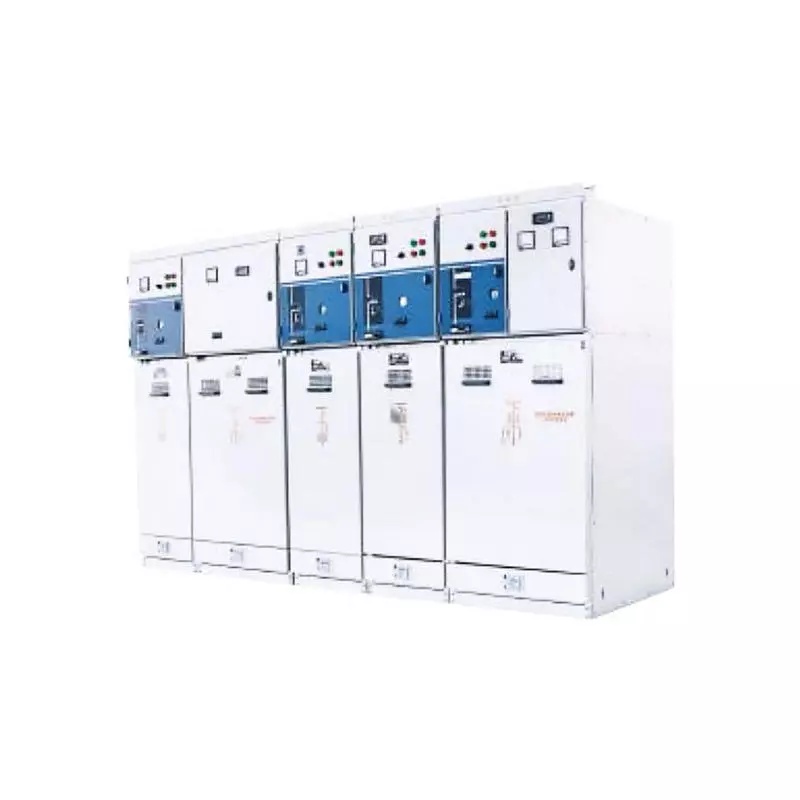
The Electrical substation relies on switchgear to manage electrical circuit control functions and protection and circuit isolation operations. The system contains vital elements which include circuit breakers together with disconnect switches (isolators) and load break switches and surge arresters and protective relays. The devices enable operators to stop or redirect power transmission for maintenance and emergency situations while maintaining safety standards.
The protection system of switchgear prevents faults like short circuits and overloads from causing harm to other network components. The high-voltage section of the system includes load switches and vacuum circuit breakers which provide complete protection against misoperation and overload and short circuit events. The automated tripping systems in switchgear enable fast section isolation which reduces network downtime and stops failures from spreading throughout the system.
The substation operates under the control of protection relays and automation systems which function as intelligent systems above the physical equipment including transformers and switchgear.
Protective relays identify two main types of abnormal system conditions which include overcurrent and earth faults. The detection of abnormal conditions by these devices leads to circuit breaker activation which immediately cuts off affected areas. The system uses intelligent design which implements comprehensive automation devices for protection purposes. The system operates independently in each unit through separate functions that create multiple protection layers to stop equipment damage.
The control panels collect data from multiple sensors throughout the substation to deliver immediate system performance information to operators. The panels contain human-machine interfaces (HMI) which enable operators to perform manual control actions when necessary.
The modern substation infrastructure depends on SCADA (Supervisory Control And Data Acquisition) systems to execute automated operations. The system uses modern technology to enhance operational performance through dependable operation. The system enables real-time monitoring of voltage levels and breaker positions and transformer oil temperatures which allows control room operators to respond quickly to detected system abnormalities.
Reliable equipment suppliers play a crucial role in the process of building or upgrading substations. SHENGTE serves as a dependable business partner which delivers complete solutions that match the requirements of contemporary power grid systems.
SHENGTE offers complete dependable equipment solutions for contemporary power system operations. The company delivers dry-type distribution transformers and oil-immersed transformers and integrated low voltage switchgear and high voltage switchgear to customers. The products undergo complete quality inspections at the factory before being released to the market. SHENGTE provides complete solutions through its products which include safe voltage reduction systems and efficient switchgear panel distribution systems.
Our team of professional R & D and design personnel work together to create a development model which combines production with learning and research activities. The strategic approach enables ongoing innovation that matches current market requirements. SHENGTE provides complete step-by-step assistance from delivery to post-sale support which transforms our equipment delivery into a comprehensive service partnership for your project needs.
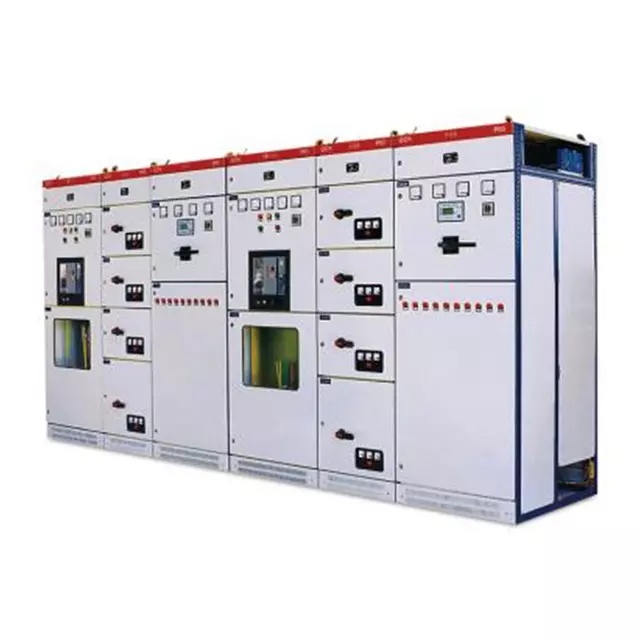
The three main components of substations function together to provide reliable electricity distribution through extensive networks although they present complex systems.
The three essential components of electrical substations consist of transformers and switchgear and control systems. The system operates through transformers which handle voltage adjustments while switchgear maintains circuit stability and control systems achieve optimal performance through SCADA monitoring tools. The three essential components work together to provide complete power distribution safety and operational efficiency from power generation facilities to consumer delivery points.
Q1: What is the main purpose of a substation?
A: A substation converts high transmission voltages into lower distribution voltages suitable for consumer use. Transformers facilitate this voltage transformation, while other components ensure safety and reliability in power transmission.
Q2: How do circuit breakers differ from disconnect switches?
A: Circuit breakers automatically halt current flow during faults like short circuits or overloads. Disconnect switches (isolators) separate sections for maintenance but cannot interrupt current under load. Both are vital but serve distinct roles in switching systems.
Q3: Why do modern substations rely on automation systems?
A: Modern substations use SCADA automation systems for enhanced reliability, enabling remote monitoring and intervention. Unlike older manual designs, SCADA reduces downtime during faults and maintenance, improving overall functionality.