- All
- Product Name
- Product Keyword
- Product Model
- Product Summary
- Product Description
- Multi Field Search

Views: 0 Author: Site Editor Publish Time: 2026-10-01 Origin: Site
Choosing a distribution transformer is a load-planning decision, not simply a choice between three numbers. A 100 kVA unit may suit a small commercial service, while a 250 kVA unit can provide a practical balance between present demand and expansion. A 630 kVA unit may be justified for a larger industrial or mixed-use site. The correct selection depends on connected load, demand factor, motor starting, voltage, installation conditions, fault duty and future growth. This guide explains how to compare the three capacities and how to prepare a specification that a supplier can quote accurately.
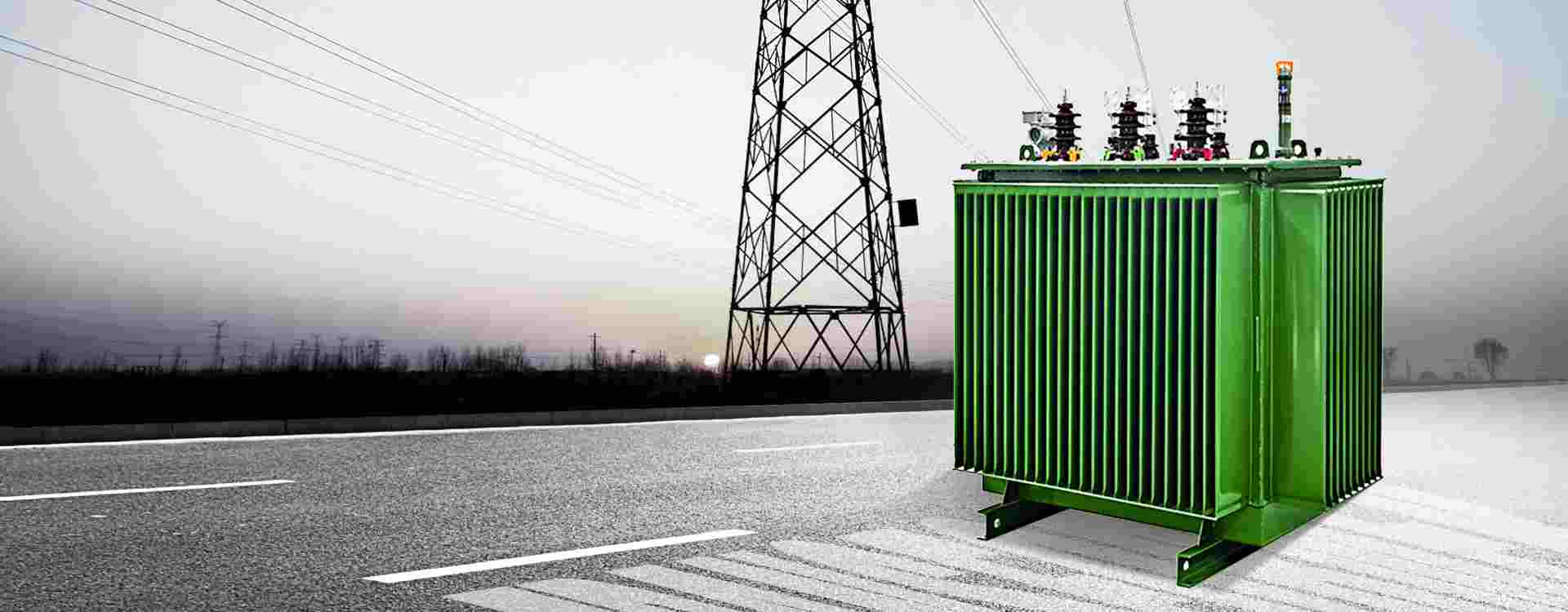
Transformer capacity is expressed in kVA because the transformer must carry apparent power, including both real power and reactive current. A basic estimate starts with the expected maximum demand and adds an engineering margin. The calculation should also consider phase balance, power factor, harmonic current and the temperature around the equipment. A larger nameplate is not automatically more efficient: a lightly loaded transformer still has continuous core loss, while an undersized unit can run hot and suffer excessive voltage drop.
A distribution transformer schematic should show the high-voltage winding, low-voltage winding, neutral, grounding path, protection and measurement points. A distribution transformer diagram helps the project team check whether the selected voltage ratio, tap arrangement and connection group match the network. A useful distribution transformer diagram with explanation also identifies the incoming isolator, surge protection, breaker and low-voltage main board. These drawings should be reviewed before procurement because a correct kVA rating cannot compensate for an unsuitable connection or protection scheme.
A 100 kVA transformer is often considered for a small building, light workshop, compact retail site or a limited auxiliary service. It can be economical when the measured demand is stable and there are few large motors or welders. The design team should verify the starting current of pumps, compressors and air-conditioning equipment. If the site will add production lines or charging loads, the lower rating may leave little useful margin.
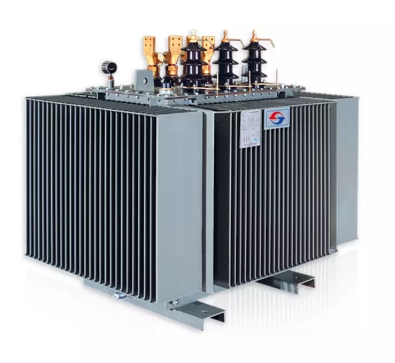
A 250 kVA unit can serve a broader commercial or light-industrial load while retaining reasonable flexibility. It is often a practical point between initial cost and expansion capacity, especially when demand is expected to rise in stages. SHENGTE's S11-250kVA-10kV-400V Oil-Type Distribution Transformer can be evaluated as a mid-range reference for a 10 kV supply and low-voltage distribution system. The final specification still needs the actual load schedule, short-circuit level, enclosure conditions and utility requirements.
A 630 kVA transformer is more appropriate when a site has higher simultaneous demand, multiple production feeders, large motors or planned expansion. The larger unit may reduce the need for an immediate second transformer, but it also requires more installation space, stronger switching equipment and careful inrush coordination. A capacity decision should compare the cost of one 630 kVA installation with staged 100 kVA or 250 kVA capacity, including future downtime and civil works.
For an outdoor installation, the enclosure, sealing, ventilation and corrosion protection must match the site. An outdoor anti-corrosion distribution transformer may be required near coastal air, chemical exposure or heavy dust. Oil distribution transformers also require attention to oil containment, clearances, inspection access and fire-safety provisions. The transformer rating should be selected together with the ambient temperature and duty cycle, rather than treated as an isolated catalog value.
When comparing 10 kV distribution transformer manufacturers, buyers should request drawings, guaranteed loss data, routine-test scope, nameplate details and delivery documentation. A China 10 kV distribution transformer supplier should be evaluated by engineering communication and quality controls, not only by price. A visit or remote audit of a China 10 kV distribution transformer factory can focus on winding assembly, core processing, tank sealing, oil handling and final testing. The shortlist of 10 kV distribution transformer suppliers should also show how changes, spare parts and service questions will be managed after delivery.
Use the drawing to confirm the incoming voltage, outgoing voltage, phase arrangement, neutral treatment, tap position and cable entry. Check that the transformer terminals align with the switchgear and low-voltage board. The diagram should also make clear where surge arresters, fuses, breakers and temperature indicators are located. This review often identifies interface problems before equipment reaches the site.
Grounding conductors, tank bonding, relay signals and isolation points should be clear on the drawing. The maintenance team needs safe access to inspection points and enough room for cable termination and testing. A diagram review should be combined with a site layout review, because a technically correct connection can still be impractical if doors, lifting routes or working clearances are blocked.
The S11-250kVA model gives a project team a concrete reference for a mid-range oil-immersed distribution transformer. At SHENGTE, we recommend defining the primary and secondary voltage, frequency, rated capacity, installation environment, cooling arrangement, tap requirements, protection interface and test documentation in the inquiry. The buyer should also state present demand, expected expansion and the largest motor or nonlinear load.
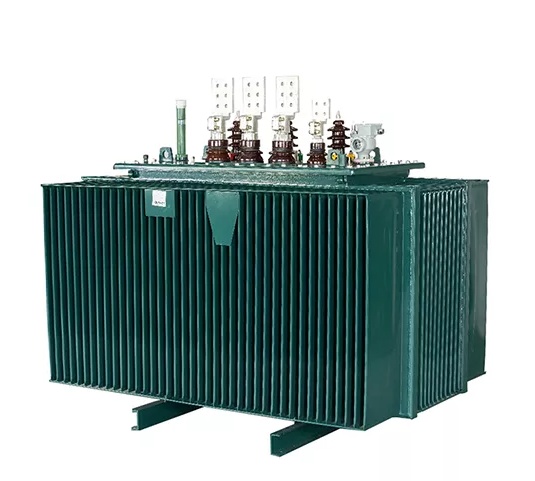
Before approving any distribution transformer, confirm the calculated maximum demand, diversity assumptions, voltage drop, fault level, protection coordination and maintenance plan. Ask each shortlisted supplier to identify exclusions and interface responsibilities. SHENGTE can then review the complete project brief and match the product configuration to the network, site and lifecycle requirements. The right choice is the capacity that operates reliably today while leaving a defensible margin for tomorrow.
Growth should be expressed as a documented scenario rather than a vague percentage. List the equipment expected in the next three to five years, estimate its coincident demand, and identify which loads can be managed or curtailed. This approach prevents a project from buying excessive capacity for unlikely growth while still protecting the network from near-term expansion. It also gives the supplier a clear basis for checking impedance, voltage regulation and thermal performance.
Every quotation should be compared on the same technical basis. Check whether losses are guaranteed at the same tap and temperature, whether accessories are included, and whether transport, unloading, installation and testing are separate items. Confirm the documentation schedule and responsibility for coordination with the utility. A transparent comparison normally produces a better decision than choosing the lowest initial price.