- All
- Product Name
- Product Keyword
- Product Model
- Product Summary
- Product Description
- Multi Field Search
Views: 0 Author: Site Editor Publish Time: 2026-06-04 Origin: Site

Transformers are key parts of any electrical power system. They move energy well from generation sites to end users. Among many transformer types, knowing the difference between substation transformers and distribution transformers matters when picking the right option for a project. Both play clear roles. They also have their own design features and uses in industrial, commercial, and utility settings. At SHENGTE, we build advanced transformers. These units give steady performance and good efficiency over time in many power networks.
Our YBP-160kVA 10kV/400V European Box-Type Pre-Fabricated Complete Transformer Substation shows our focus on solid, low-maintenance solutions for industrial and utility work. In this guide, we lay out the differences between substation and distribution transformers. We also note points to weigh when choosing one. Finally, we show how SHENGTE products fit today’s power needs.
A substation transformer steps down high-voltage power from transmission lines. It brings the voltage to levels that suit distribution to industrial, commercial, or residential systems. These units sit in medium and high-voltage substations. They handle bigger power loads. Substation transformers often work as a main link in a power network. They join the high-voltage transmission system to medium or low-voltage distribution networks.
A distribution transformer works at lower voltages. It sends power straight to end users. It takes medium-voltage power from a substation and lowers it for commercial, industrial, and residential use. Distribution transformers are smaller. They can mount on poles, pads, or inside enclosures. Their main job is to ensure a safe, steady delivery of power to consumers.
Both types help keep an electrical network stable. Knowing how they fit into a switchgear power system or distribution network matters. Substation transformers link high-voltage transmission with medium-voltage distribution. Distribution transformers finish the voltage change before power reaches the end user. Picking the right type helps cut energy losses and supports long-term reliability.

Voltage ratings and power capacity set substation transformers apart from distribution transformers. Substation transformers take high-voltage inputs and give medium-voltage outputs. They suit industrial and utility work. Examples include medium voltage unit substation transformers, three phase unit substation transformers, or unit substation transformers inside complex networks.
Distribution transformers handle lower voltage conversion. They move power from substations to commercial, industrial, or residential users. Types such as commercial unit, substation transformers, and industrial power transformers usually carry smaller capacity ratings than substation transformers.
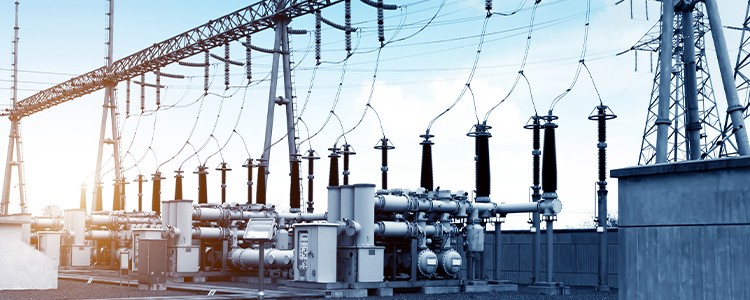
Substation transformers stand up to higher electrical stress, weather exposure, and heavy loads. Their enclosures and insulation are strong. They support long runs in outdoor or semi-outdoor spots. Box-type designs like our pre-fabricated transformer substation pack the transformer with switchgear and control gear in one compact enclosure.
Distribution transformers stay tough yet are often mounted on poles or pads. Their build focuses on simple operation, easy service, and local placement.
Substation transformers see heavy use in urban and industrial substations. They connect transmission grids to distribution networks. Configurations include medium voltage unit substation transformers, single ended substation transformer setups, and medium voltage substation transformer units that match a network’s voltage needs.
Distribution transformers appear more often in commercial and residential networks. They supply lower-voltage power for everyday use. They may include replacement unit substation transformer units to refresh old systems or three phase unit substation transformer units for multi-phase industrial loads.
Substation transformers usually need more care because of higher voltage and load demands. Yet fully pre-fabricated substation transformers like our SHENGTE YBP-160kVA European transformer come with monitoring and protection features that cut upkeep time.

Distribution transformers often run as low maintenance transformers. They can work for long stretches with little attention. Modern unit substation transformer designs include features that lower routine service needs and keep performance steady over many years.
Picking the right transformer calls for several checks.
Load and Voltage Requirements: Review the power demand of the site or network. Industrial sites may need industrial power transformer units or medium voltage unit substation transformer units. Commercial sites may use commercial unit substation transformer units or standard distribution transformer units.
Environmental and Installation Constraints: Decide if the unit goes indoors, outdoors, or into a box-type substation transformer layout. Pre-fabricated designs cut install time and raise placement speed.
Performance and Reliability: Weigh efficiency, energy losses, and long-term dependability. A European transformer or pre-fabricated substation solution brings quality parts and steady build quality.
Compliance and Standards: Confirm the transformer meets local and international electrical rules for safety, environmental fit, and reliable operation.
After these checks, planners can select a transformer that meets present needs and allows room for growth.
At SHENGTE, we offer the YBP-160kVA 10kV/400V European Box-Type Pre-Fabricated Complete Transformer Substation. It is a compact, fully integrated unit for industrial, commercial, and utility power distribution. This transformer blends high reliability, low upkeep, and efficient energy delivery in a pre-fabricated, box-type design.
Compact Design: It packs the transformer, switchgear, and control parts into one enclosure for quick setup.
High Reliability: It handles industrial loads and tough operating conditions.
Low Maintenance Requirements: The fully pre-fabricated and sealed build reduces service visits.
Versatile Applications: It works as a medium unit substation transformer, a three-phase unit substation transformer, a unit substation transformer, or a commercial unit substation transformer.
Energy Efficiency: It supports steady voltage control and lower operating losses.
This transformer fits well when upgrading or growing urban and industrial distribution networks. It also serves as a reliable replacement unit substation transformer for older equipment and keeps power flowing without breaks.
The pre-fabricated design speeds installation, cuts labor, and improves quality checks. Placing all parts in one box gives solid protection and monitoring while shrinking the substation footprint. The YBP series handles both medium voltage substation transformer duties and lower-voltage distribution needs. It offers flexible answers for complex electrical networks.

Knowing the differences between substation and distribution transformers helps build efficient, reliable, and cost-effective power systems. Substation transformers take high-voltage inputs and feed medium-voltage distribution networks. Distribution transformers then lower that medium voltage for direct use in commercial, industrial, or residential systems.
At SHENGTE, we supply solutions that match many operating needs. Our YBP-160kVA 10kV/400V European Box-Type Pre-Fabricated Complete Transformer Substation combines the strengths of a pre-fabricated transformer, box-type substation transformer, and low maintenance transformer. It delivers a dependable, efficient, and compact answer. Whether used as a three phase unit substation transformer, medium voltage unit substation transformer, or commercial unit substation transformer, our products support steady operation over many years.
Choosing the right transformer—whether a substation transformer or a distribution transformer—helps reach good system efficiency, long-term reliability, and lower maintenance costs. With SHENGTE, you get access to high-quality, industrial-grade transformer solutions that keep power distribution safe and efficient for years ahead.