- All
- Product Name
- Product Keyword
- Product Model
- Product Summary
- Product Description
- Multi Field Search
Views: 0 Author: Site Editor Publish Time: 2025-10-21 Origin: Site
1.What Are Dry Type Transformers?
2.The Role of Insulation in Dry Type Transformers
3.Common Types of Insulation Materials Used in Dry Type Transformers
4.Comparative Analysis of Insulation Materials
5.Applications Based on Insulation Types
6.Maintenance and Lifespan Considerations for Insulated Transformers
7.SHENGTE – A Trusted Supplier of Electrical Equipment Solutions
Dry type transformers function as essential components of present-day electrical distribution networks because they provide safety features and fire resistance and need minimal upkeep. The insulation system stands as the most crucial element in dry type transformer construction. The selection of dry type transformer insulation materials determines how well the transformer operates thermally while ensuring safety and extending its operational lifespan. Knowledge about transformer insulation types along with their advantages and suitable applications leads to the best possible transformer performance.

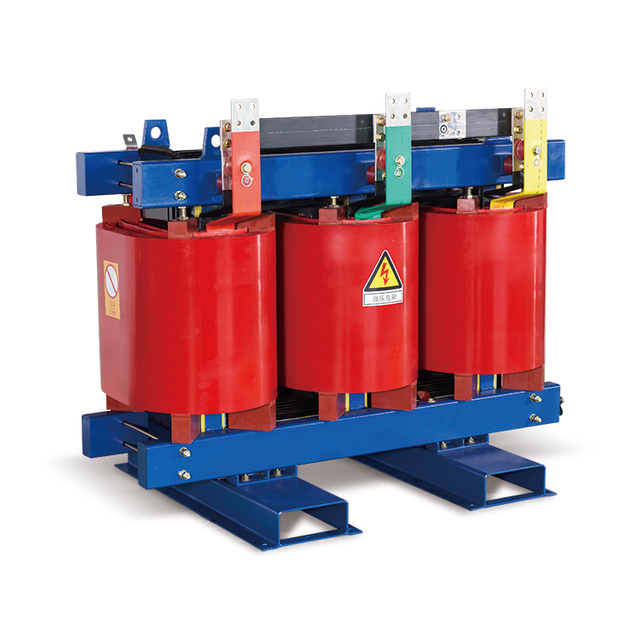
Dry type transformers function as electrical transformers which use air as their cooling substance instead of oil. The transformers operate with high safety features and find their main use in both indoor spaces and areas where environmental protection is essential.
Dry type transformers possess self-extinguishing capabilities and need minimal upkeep while showing excellent resistance to environmental factors. The ventilated enclosures of these transformers enable heat dissipation through natural or forced air circulation. The design of these transformers prevents oil leaks and fires so they work well in hospitals and schools and commercial buildings.
Dry type transformers operate without liquid insulation or cooling agents because they use solid insulation materials and air circulation for operation. The design of dry type transformers provides safety benefits in restricted areas and environmentally critical locations. Dry type transformers provide better fire safety and resistance than oil-filled units although they deliver slightly lower efficiency.
The protective function of insulation extends beyond protection because it establishes the fundamental elements which determine transformer operational safety and performance.
Dry type transformers use insulation materials to achieve electrical fault prevention through voltage level and component separation. The insulation materials help control operational heat production which ensures both high energy efficiency and extended equipment lifespan.
The transformer's ability to handle thermal, electrical and mechanical stress depends on the insulation materials used and their quality. The transformer operates steadily under different load conditions because of high-performance insulation which also extends its operational life.
The dry-type transformer assembly process requires exact control of all operations from coil and iron core placement to insulation component installation and lead wire welding and insulation for achieving design specifications and transformer reliability.
Dry type transformers need specialized materials to achieve their strict insulation requirements.
Epoxy resin serves as a primary material for vacuum pressure impregnation (VPI) and cast resin encapsulation applications. The material offers superior mechanical strength and chemical resistance and thermal stability properties. The permanent thermosetting properties of this material create long-lasting protection against moisture and dust and corrosive substances. The material strengthens transformer resistance to short-circuit forces and vibrations.
Nomex represents an aramid-based insulation paper that functions as a high-temperature material. The material maintains its mechanical and dielectric properties when exposed to temperatures above 200°C. The material provides flame resistance and flexibility which enables it to be used for conductor wrapping and winding layering applications. The insulation material Nomex serves transformers which need to operate at high temperatures while maintaining reliability during long-term use.
Polyester film provides good dielectric strength and mechanical flexibility when used with other insulation materials. The material serves as a standard interlayer insulation and phase-to-phase barrier in transformer applications. The material provides excellent resistance to mechanical stress and electrical wear which makes it an economical solution for standard dry type transformers.
Mica tape consists of mica flakes which are bonded to a resin binder and supported by a backing material. The material demonstrates outstanding dielectric strength and thermal resistance properties. The application of mica tape focuses on high-voltage windings and areas under extreme electrical stress because it protects against partial discharge and insulation breakdown.

The selection of insulation materials depends on their individual performance characteristics which determine their suitability for particular applications.
The thermal classification system divides insulation materials into three categories which include Class B (130°C), Class F (155°C) and Class H (180°C). The heat-resistant properties of Nomex and mica tape reach Class H standards which makes them suitable for high-temperature applications. The high-load requirements of applications are met by epoxy resin because it operates effectively at Class F and H temperature ranges.
Epoxy resin provides superior mechanical durability because it creates a rigid protective layer that blocks vibrations and short-circuit forces. The flexible Nomex material keeps its strength levels when exposed to heat. Mica tape provides superior structural strength in applications that require high voltage protection.
The moisture-resistant properties of epoxy resin make it suitable for tropical and coastal applications because it creates a complete moisture barrier. Mica tape and Nomex show good resistance to moisture but polyester film needs extra protection when exposed to humid conditions.
Nomex and mica possess built-in flame retardant properties which make them environmentally friendly because they do not produce toxic fumes. The durability of epoxy resin requires specialized disposal procedures although it remains a strong material. The recyclable nature of polyester film does not match the fire protection capabilities of aramid or mica-based materials.
The selection of insulation materials depends on the specific application environment of the transformer.
Transformers operating in industrial facilities and heavy-duty manufacturing environments face exposure to dust particles and chemical substances and mechanical vibrations. The sealed structure of epoxy resin encapsulation protects equipment from contamination while maintaining its ability to operate under demanding conditions.
Transformers operating in commercial complexes need to manage changing power demands while providing uninterrupted service. The thermal stability and operational reliability of Nomex insulation makes it the preferred insulation material for office buildings and malls and hospitals.
Wind and solar power systems require safety measures and environmental sustainability as their primary considerations. The green energy sector values Mica tape and Nomex because they offer fire resistance and low environmental impact.
The quality of insulation determines how often maintenance needs to be performed and how long a transformer will operate.
The combination of Nomex insulation with epoxy resin creates a system that protects against thermal breakdown and electrical breakdown. The system operates with reduced downtime and extended service life for critical applications.
The inspection process should include thermal imaging tests along with partial discharge testing and visual examinations for signs of cracks and discoloration. Early detection of insulation deterioration through these methods enables operators to avoid expensive breakdowns while maintaining equipment safety.
An experienced manufacturer partnership provides dry type transformer users with reliable equipment and high-quality insulation systems when choosing their transformers.
SHENGTE delivers complete reliable equipment solutions for contemporary power systems. Our company provides dry-type distribution transformers and oil-immersed transformers and integrated low voltage switchgear and high voltage switchgear to support safe and efficient operation in various applications.
Our team provides complete assistance for all transformer types including distribution transformers and oil-immersed transformers and low voltage switchgear and high voltage switchgear systems from start to finish and through delivery and post-delivery support.

Our organization employs more than 10 years of experience in R & D and design through certified national experts who work as a team. Our organization maintains close ties with Chinese research institutions and universities to develop a production-learning-research-operational-sales development model which supports our technology-driven development strategies and innovation capabilities and research activities.
The insulation materials used in dry type transformers including epoxy resin and Nomex and polyester film and mica tape provide unique benefits for thermal management and mechanical strength and environmental resistance. The correct material choice for each application guarantees both operational safety and performance efficiency and extended equipment lifespan. Users who receive assistance from SHENGTE manufacturers can achieve maximum transformer performance and extended operational life.
Q1: What is the primary benefit of using epoxy resin in dry-type transformers?
A: The primary benefit of epoxy resin in dry-type transformers is its exceptional mechanical properties and water resistance, enabling effective coil encapsulation under industrial conditions. It strengthens resistance against short-circuit forces, vibrations, and moisture.
Q2: How do insulation materials affect transformer energy efficiency?
A: The thermal conductivity and dielectric strength of insulation materials, like Nomex and mica tape, determine energy loss and transformer performance. High-performance materials reduce energy dissipation, enhancing overall efficiency.
Q3: What factors should be considered when selecting insulation materials for transformers?
A: Selecting insulation materials requires considering environmental factors, voltage levels, and thermal performance needs. Epoxy resin suits dusty or humid environments, while Nomex excels in high-temperature, high-load conditions. SHENGTE’s expertise helps identify the best material for your needs.