- All
- Product Name
- Product Keyword
- Product Model
- Product Summary
- Product Description
- Multi Field Search
Views: 0 Author: Site Editor Publish Time: 2026-06-11 Origin: Site

In industrial power distribution, engineers and facility managers face an important choice between low-voltage (LV) switchgear and medium-voltage (MV) switchgear. This decision stands out as key. Each system has its own benefits, uses, and everyday factors. The right selection affects safety, reliability, energy use, upkeep needs, and running costs over many years.
At SHENGTE, we supply a wide range of electrical switchgear systems made for industrial settings. Our low-voltage switchgear options focus on steady performance, simple handling, and lasting results. They support smooth low-voltage power distribution across factories and plants. You can source them via an LV switchgear panel wholesale in China, a factory-price LV switchgear panel, or an LV switchgear panel factory in China. These routes give buyers practical ways to order and set up the gear.
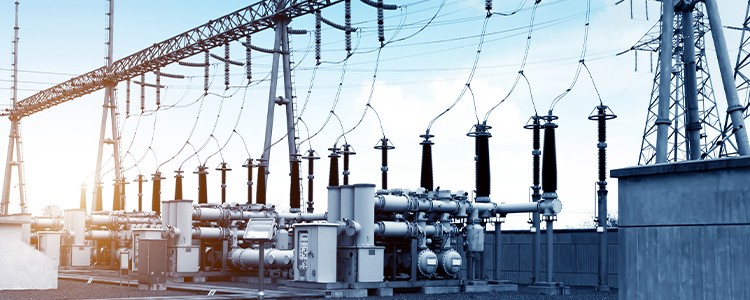
Low-voltage switchgear usually works below 1kV. It often sits in commercial and industrial buildings to manage power for motors, lights, and HVAC units. Medium voltage switchgear, by contrast, runs from 1kV to 36kV. It handles the main feed from utility grids into large sites.

In industrial plants, LV and MV switchgear work together. MV gear brings power from the utility substation to the site, often via a medium voltage unit substation transformer. LV gear then spreads that power safely to machines and processes. Good choices here keep the industrial power distribution network steady and cut the chance of sudden stops.
Typical uses for LV switchgear include machine tool feeds, lighting circuits, small motor control centers, and process automation lines.
MV switchgear often covers utility feeder links, substation protection, large production lines, and ties into electrical switchgear systems for heavy loads.
The architecture you pick shapes how switchgear power systems run, how often they need service, and how well they move energy.
The main difference between LV and MV switchgear lies in voltage. LV gear handles levels under 1kV and smaller fault currents. MV gear manages higher voltages, bigger loads, and stronger fault duties.
LV setups spread across plant floors and buildings. MV setups sit nearer utility feeds or medium voltage substation transformers and cover wider zones or heavier loads. Load size and area coverage decide whether you need LV, MV, or both.
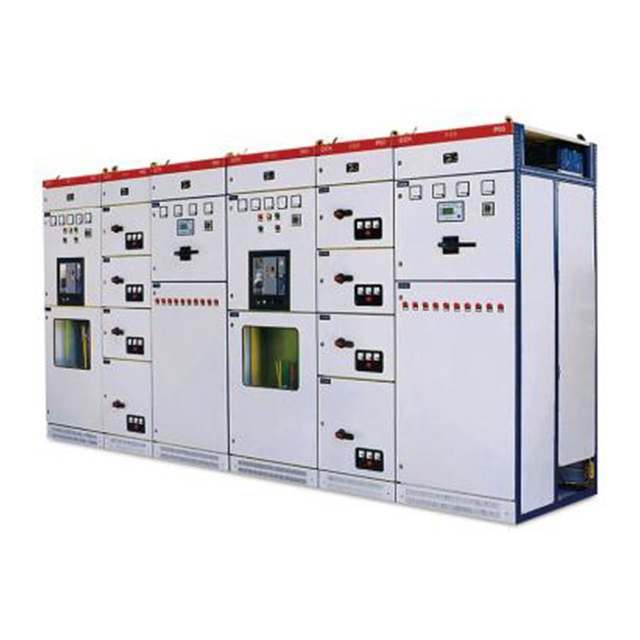
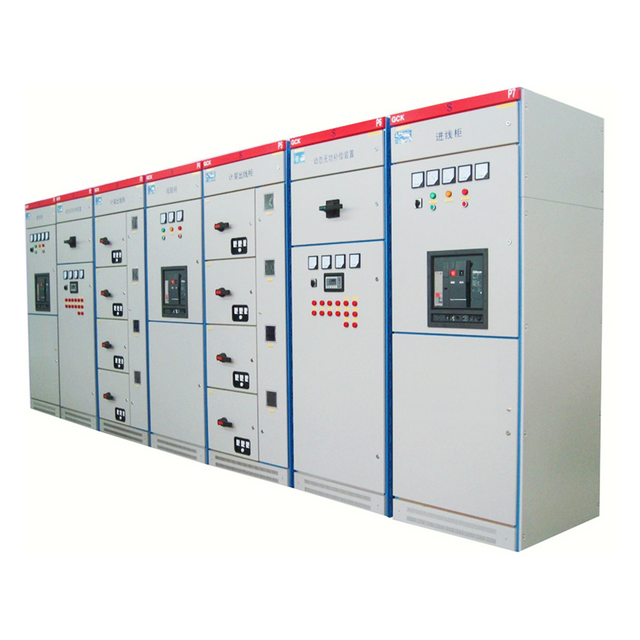
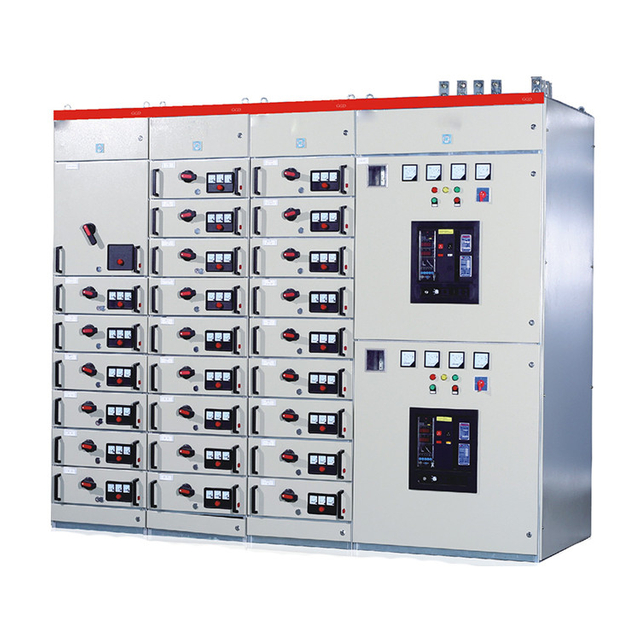
LV switchgear uses compact, modular cabinets such as the SHENGTE Low-Voltage Switchgear. The layout favors easy access, flexibility, and quick service.
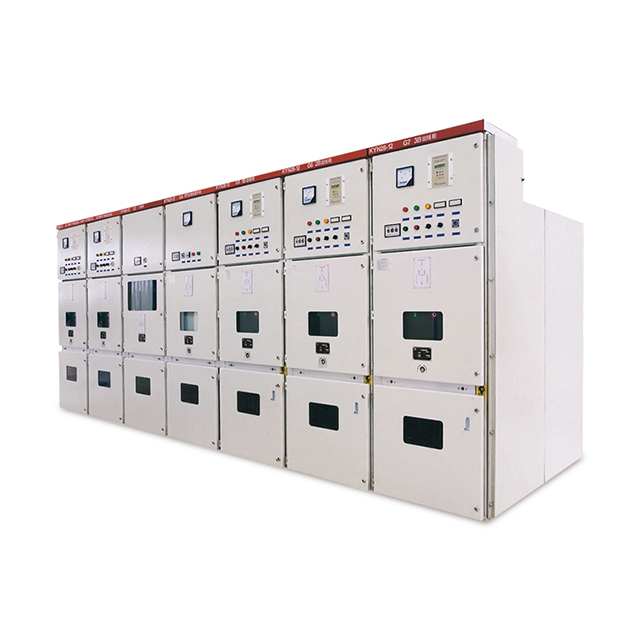
MV switchgear needs stronger insulation, bigger housings, and arc-resistant builds to handle higher stresses. Its structure grows more complex because of greater voltages, larger fault currents, and extra protective parts.
LV gear focuses on safe delivery of single loads. It uses breakers, disconnects, and relays for protection. MV gear must cope with large fault currents, shield transformers, and isolate main feeders without halting the whole plant.
Modern medium-voltage switchgear adds relays, automation, and monitoring. These features raise reliability and safety during daily use.
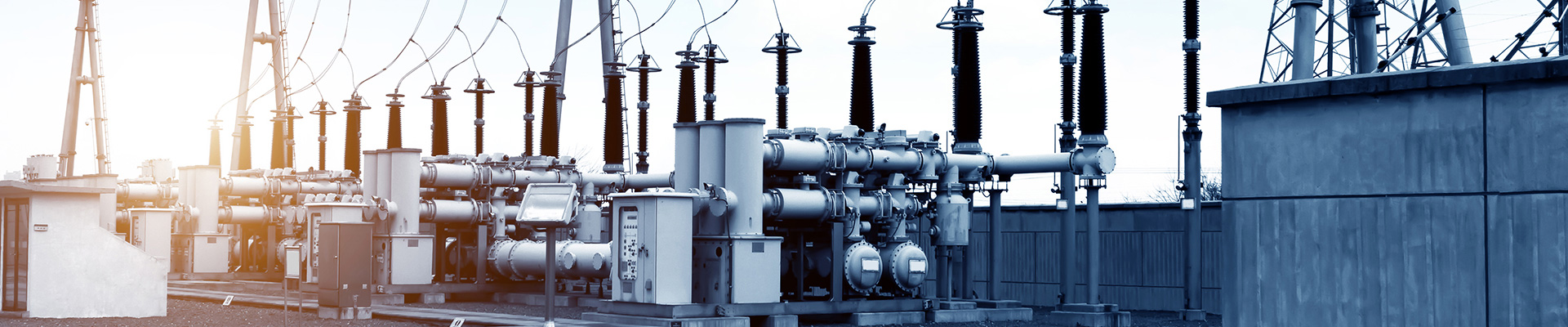
LV gear usually goes indoors in control rooms or near LV switchgear panel factories in China. This placement makes service straightforward. MV gear often sits in substations or outdoor yards where weather and access add extra steps.
LV systems need less frequent and simpler care, which helps when downtime must stay low. MV systems call for more detailed service plans to stay safe and reliable.

Picking suitable LV and MV switchgear means weighing technical, operating, and site factors.
Project Load and Voltage Requirements: Check whether the site needs low or medium-voltage power for its equipment and processes. MV switchgear fits high-power industrial circuits, while LV systems suit smaller or local distribution.
Installation Space and Environmental Constraints: LV switchgear works well for indoor, compact setups, whereas MV systems may need more open space, robust enclosures, and weather protection.
Safety, Reliability, and Maintenance Needs: Weigh accessibility, fault protection, and operational risk. Choosing low-voltage switchgear from reliable suppliers keeps operation safe and service simple.
Future Expansion and System Upgrades: Choose scalable solutions that let the network grow without full replacement of the switchgear system.
Balancing these points helps teams build networks that run efficiently, stay safe, and control lifetime costs.
For industrial and commercial facilities looking for dependable low-voltage power distribution, SHENGTE Low-Voltage Switchgear gives a good option. The SHENGTE GGD AC low-voltage distribution cabinet fits industrial loads well. This unit offers strong reliability. It also allows flexible setup.
Efficient power distribution and control across industrial loads
Modular design suitable for integration into complex electrical switchgear systems
Reliable overload, short-circuit, and fault isolation protection
Low maintenance requirements to reduce operational costs
Suitable for commercial, industrial, and infrastructure applications
Our switchgear solutions reach buyers through LV switchgear panel wholesale in China, factory-price LV switchgear panel, and LV switchgear panel factory in China. These give accessible, high-quality options for international projects. Clients can also order China LV switchgear panel and LV switchgear factory in China units for large-scale work. This keeps quality and delivery consistent.

Knowing the difference between LV and MV switchgear matters when you design safe and efficient distribution networks. LV systems deliver power to individual loads. MV systems handle higher voltages, bigger loads, and wider coverage in industrial power distribution networks.
At SHENGTE, we deliver flexible and dependable low-voltage switchgear for industrial power distribution. Our GGD AC low-voltage distribution cabinet supports safe running, clear power control, and long-term stability in industrial, commercial, and infrastructure projects. With these products, clients gain a strong electrical switchgear system that matches modern plant demands.
Whether you source via LV switchgear wholesale in China, LV switchgear panel in China, or factory price lv switchgear panel, SHENGTE units deliver quality and efficiency for ongoing power needs.