- All
- Product Name
- Product Keyword
- Product Model
- Product Summary
- Product Description
- Multi Field Search
Views: 0 Author: Site Editor Publish Time: 2026-02-10 Origin: Site


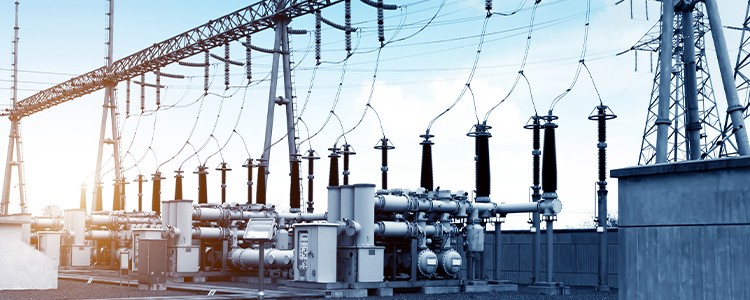
Contemporary power networks rely heavily on precise management of electrical loads and rapid fault separation to maintain stability. Switchgear, the central mechanism for achieving this control, integrates circuit breakers, fuses, and various switching devices into a unified structure to safeguard, regulate, and separate electrical apparatus. Professionals working with industrial power distribution or high-voltage transmission systems find that solid knowledge of these assemblies is essential. Such understanding supports uninterrupted operations and protects personnel working nearby.
The main purpose behind installing switchgear centers on reliable electricity delivery through effective handling of electrical disturbances. In present networks where interruptions cause substantial financial impact, switchgear forms the initial protective barrier against excessive currents, direct shorts, and earth faults. It enables safe disconnection of equipment sections for routine checks or repairs without forcing an entire system shutdown.
Detection of faults—whether insulation breakdown or sudden voltage spikes—requires response times measured in milliseconds. Current transformers (CTs) and potential transformers (PTs) feed information to protective relays that recognize irregularities and activate the circuit breaker. Rapid isolation confines the problem to a limited area and prevents widespread disruption, while maintaining balance across the remaining portions of the network.
Switchgear not only offers protection but also directs power flow logically in conversion stations and substations. Downstream problems are addressed efficiently while switching occurs between backup supplies. Therefore, consistent energy distribution results across varying voltage levels from transmission lines carrying high tension down to low-voltage panels serving industrial motors.
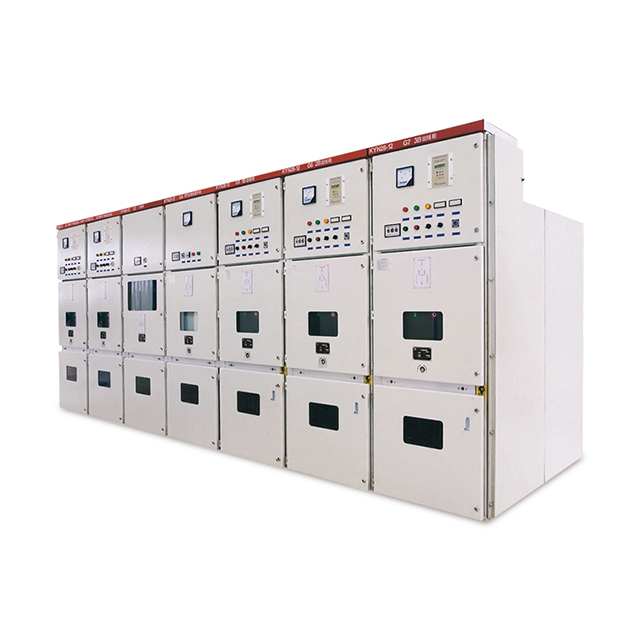
The outer housing of switchgear, typically a strong metal-clad or metal-enclosed enclosure, contains numerous precise instruments, each of which withstands intense heat and mechanical forces during fault conditions. The design usually separates the main power path from secondary circuits responsible for control, observation, and signaling functions.
Circuit breakers form the core of the assembly, supported by isolating switches, load break switches, and grounding blades. While circuit breakers handle full fault currents during interruption, isolating switches create a clear, visible break in the circuit. This separation ensures that equipment stands completely de-energized before maintenance begins. Heavy copper or aluminum busbars distribute current to different outgoing feeders.
Successful switching depends largely on the driving system. Traditional electromagnetic and spring-charged mechanisms once prevailed, and spring-based designs continue widespread use because they operate even without control power. However, permanent magnet (PM) actuators are gaining increasing acceptance. Containing far fewer moving components, around 50 compared to over 200 in spring systems, PM actuators deliver extended mechanical endurance, frequently surpassing 100,000 operations with minimal lubrication or readjustment needs.
As the sector adopts these dependable, low-maintenance solutions, selecting the right manufacturer becomes crucial. SHENGTE emerges as a leading contributor in this area, drawing on more than 15 years of focused expertise to provide environmentally conscious power distribution equipment emphasizing energy savings. Instead of acting solely as an assembly facility, our company oversees every stage internally from concept development and core manufacturing through rigorous final testing and adjustment. Complete oversight guarantees compliance with strict IEC requirements and demanding specifications set by major utilities, including the State Grid. Emphasis on tackling difficult technical issues alongside strong ongoing support establishes our company as an advanced technology organization committed to strengthening worldwide electrical infrastructure resilience.
Differences between low-voltage (LV) and high-voltage (HV) switchgear not only relate to the insulation grade, but also shape overall mechanical structure, and arc-handling methods. LV equipment commonly appears in factories and commercial structures, while HV versions serve utility stations and major infrastructure projects.
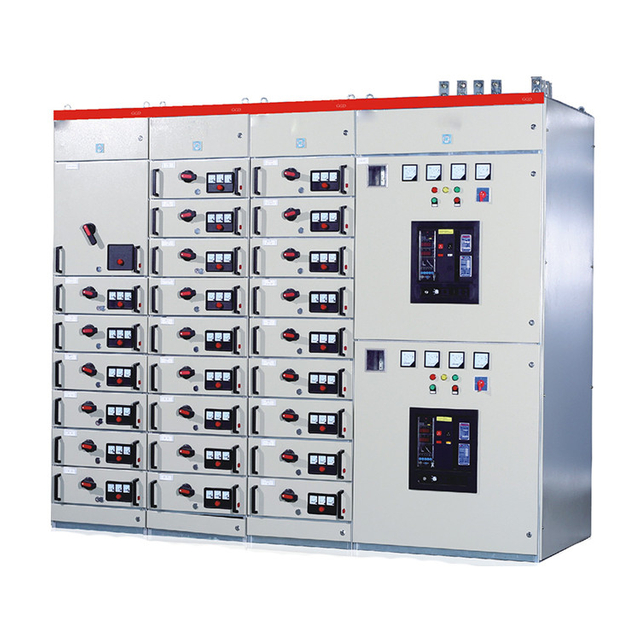
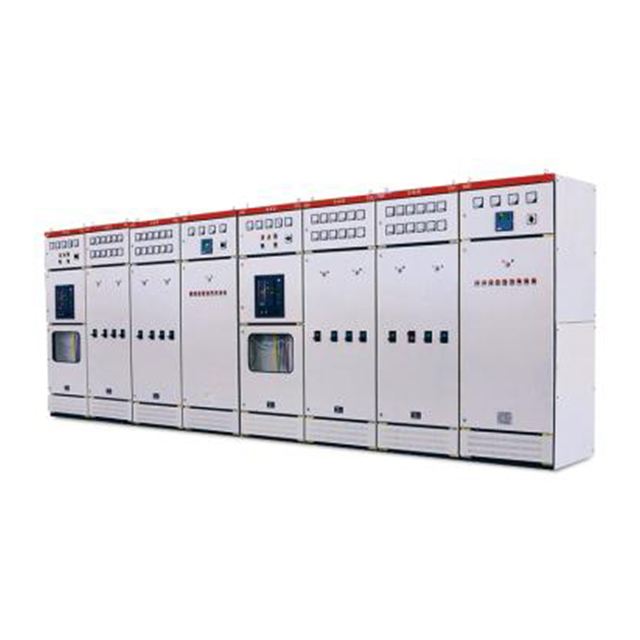
In the LV category, withdrawable designs receive preference for their adaptability. GCS low-voltage extractive switchgear stands out as an advanced example, particularly suited to highly automated settings and motor control applications. Unlike conventional fixed enclosures, withdrawable construction permits individual module removal during service while keeping the remaining sections powered. This capability substantially shortens repair intervals and improves operational reliability in power generation plants, petroleum installations, and mining operations where continuous service remains essential.

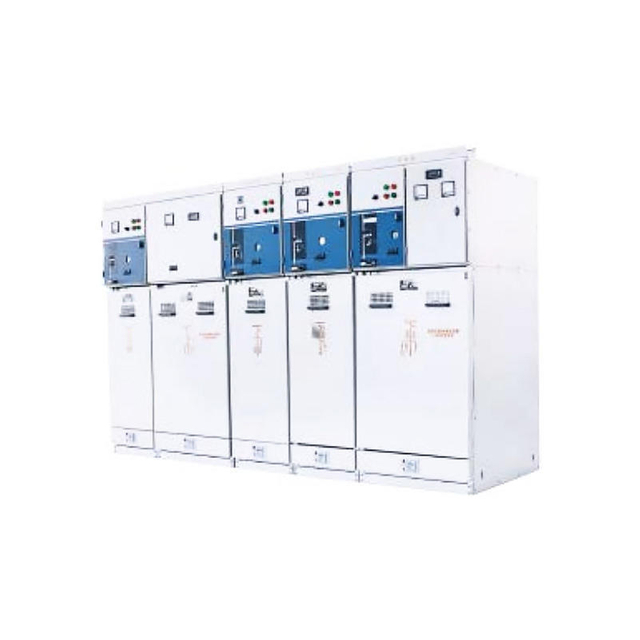
High-voltage requirements, especially in city ring networks and secondary distribution stations, favor compact fixed metal-enclosed designs. HXGN-12 AC high-voltage fixed metal closed loop switchgear offers a space-efficient indoor option for 10kV systems. Air insulation or SF6 gas handles significant electrical stresses. These units feature comprehensive “five-prevention” safety interlocks that block frequent operational mistakes, including attempts to open doors with live busbars or engage grounding under load.

Safe handling in high-voltage settings results from strict procedure adherence combined with mechanical safeguards rather than chance. Following established operational sequences defined by “five-prevention” principles preserves both equipment condition and worker safety.
Mechanical interlocks aim to eliminate human mistakes, such as attempting to ground a live circuit, but professional practice still demands additional confirmation steps. Checking status indicators for charged conditions and verifying the correct positioning of any movable elements, such as handcart placement in test or service mode, remains necessary before proceeding. While interlocks prevent breaker closure unless proper engagement occurs, direct observation of control panels provides an important extra safety layer.
Circuit energization produces clear status changes. Successful connection displays red indicator illumination alongside consistent live detection across all phases. Immediate protective relay activation upon closure signals ongoing faults or improperly configured settings. Repeated attempts without determining underlying causes risk severe damage to the enclosure and insulation systems.
Through a careful combination of modern monitoring capabilities, durable mechanical construction, and high-quality elements, present-day switchgear keeps complex power network demands both controllable and secure.
Q: What are the primary differences between GGD and GCS low-voltage switchgear?
A: GGD represents fixed-type construction mainly used for standard distribution, where maintenance occurs infrequently, and cost considerations take priority. GCS employs a withdrawable design suited to advanced applications, including motor control centers. It enables rapid module exchange, delivering greater adaptability and higher system availability.
Q: How does the “five-prevention” interlock system function in high-voltage cabinets?
A: This combined mechanical and electrical safeguarding arrangement blocks five critical errors, including accidental breaker closure, handcart movement while carrying a load, grounding switch operation on live circuits, energizing with grounding engaged, and access to live compartments. Safe operation follows a predetermined sequence.
Q: Why is the Permanent Magnet (PM) mechanism considered superior to the Spring mechanism?
A: PM mechanisms rely on electronic control and simplified mechanical construction featuring fewer moving elements. This design achieves markedly higher dependability, reduced upkeep needs, and considerably extended service life, making it particularly appropriate for essential infrastructure requiring frequent switching operations.