- All
- Product Name
- Product Keyword
- Product Model
- Product Summary
- Product Description
- Multi Field Search
Views: 0 Author: Site Editor Publish Time: 2025-10-28 Origin: Site
Overview of High Voltage Switchgear in Urban Power Infrastructure
Key Applications of High Voltage Switchgear in Urban Settings
Challenges in Implementing High Voltage Switchgear in Urban Areas
SHENGTE: Reliable Supplier of Electrical Equipment Solutions
City power networks rely on high voltage switchgear as a core piece. It keeps electricity flowing safely and reliably in urban areas. As cities grow, there’s a big need for equipment that’s small, works well, and stays dependable. Urban power setups need advanced tools for switching and protecting circuits. These must work in tight spaces without losing quality. High voltage switchgear technology has fixed these issues with fresh designs. These boost both performance and compactness, making switchgear a key part of city power grid systems.


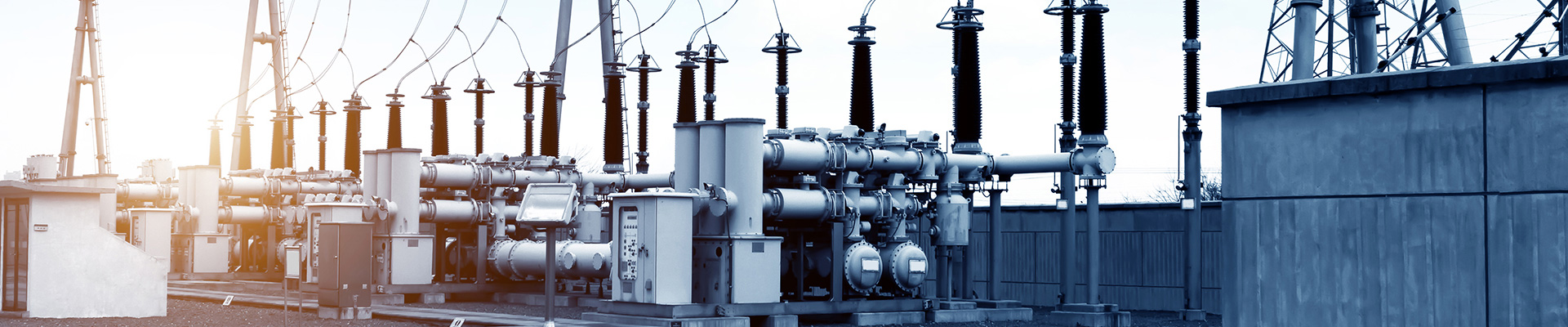
High voltage switchgear serves as the main hub for city power grids. It offers small, steady switching, protection, and control to keep electricity flowing without breaks.
High voltage switchgear is vital for city power grids. It connects transmission lines to distribution systems to guide electricity flow. The switchgear keeps the grid safe and stable. It spots and cuts off faults in a split second. This stops blackouts and protects gear. With relays and tracking tools built in, it handles different loads and conditions. This ensures steady power delivery. It supports city life and prevents problems for businesses and people caused by power cuts.
High voltage switchgear depends on five main parts: circuit breakers, disconnect switches, current and voltage transformers, protection relays, and control systems. Circuit breakers deal with fault and load currents. Transformers change signals so relays can check and trigger switching. Control systems tie all parts together. They allow automatic or manual operation depending on what the system needs.
High voltage switchgear in cities needs special solutions. These tackle limited space, tough conditions, and the needs of busy urban areas.
Crowded residential zones need small, quiet high voltage switchgear. It ensures steady power without bothering residents or clashing with city looks. With noise-dampening cases and systems to reduce shaking, these designs fit smoothly into city buildings. They provide power quietly and blend in.
Business and factory areas need switchgear to handle big power loads. These systems must adapt to different business needs. The GGD type AC low voltage switchgear runs at 50Hz and 380V with currents up to 3150A. It provides steady power conversion, distribution, and control for power plants, substations, and factories. Built for specific equipment and work needs, these systems stay reliable. They prevent costly power outages and production delays.
City space limits push the need for small, underground substations. The ZBW-D Series combines high-voltage switchgear, buried transformers, and low-voltage panels into a tiny, green unit. Using SF6 insulated ring networks or load switchgear, it works well in tough spots like areas with poor air flow or flood risks. It needs little upkeep and lasts a long time.
Advanced high voltage switchgear improves city power systems. It makes them more reliable, efficient, and safe by solving key challenges.
Modern high voltage switchgear uses smart protection systems. These have quick algorithms and communication networks. They find and fix electrical faults fast. This cuts down disruptions in city power grids. The systems include arc flash, ground fault, and overcurrent protection. These keep equipment and people safe in busy city areas.
City land is scarce, so power setups must be small. The underground combined substation blends high-voltage switchgear, buried transformers, low-voltage distributors, and other devices. It takes up almost no space. With above- and below-ground parts, it delivers steady power in tight city spots. It also improves land use and fits with environmental needs.

Advanced switchgear systems save energy. They handle loads wisely and cut power loss when switching. Using parts that save energy and smart management, they lower power use while keeping top performance. Real-time tracking and control make systems work better. They reduce energy waste and improve grid efficiency. Their smart grid features support programs to manage demand and use renewable energy, which is key for city power systems.
The electrical industry is changing fast. New tools create better high voltage switchgear systems for city use.
Modern switchgear systems use smart tracking and automation. They check equipment status and performance in real time. Their clever design has separate units with full relay protection. They allow remote changes for hands-off operation. With sensors, communication networks, and analysis tools, they give clear equipment data. This helps predict maintenance needs, cutting downtime and extending equipment life. AI and machine learning boost performance by studying work data.
Concerns about SF6 gas harming the environment have led to new insulation options. These match or beat SF6’s performance with less damage. New materials, like solid insulation and other gases, provide strong dielectric power. They avoid SF6’s high global warming effect. These changes are key in cities, where strict green rules and sustainability goals guide utilities and local leaders.
Digital twin technology makes virtual copies of switchgear systems. It lets users test equipment behavior in different situations. This helps predict maintenance needs by spotting problems before they cause failures or disruptions. By mixing past data, real-time tracking, and smart analytics, it improves understanding of equipment performance. This boosts reliability and lowers costs through proactive upkeep.
Setting up modern high voltage switchgear in cities faces many hurdles. These need careful planning to ensure projects succeed and performance lasts.
City switchgear setup faces logistical problems. These include tight access points, short work hours, and other ongoing projects. The system uses rust-proof aluminum zinc-plated steel plates and standard container materials. It has a small size and separate, adaptable rooms for easy setup. City projects must limit disruptions to traffic, businesses, and residents while keeping safety first. Working with city leaders, utility providers, and local businesses makes the process harder.
City switchgear systems face tougher rules than rural ones. They must handle noise, electromagnetic radiation, and visual effects. The system’s outer box uses aluminum-coated zinc plates. It splits into separate rooms with steel plates and has built-in lighting. A double-layer top cover blocks heat radiation and keeps indoor temperature steady. It also ensures good airflow. Meeting local building codes, green standards, and safety rules raises costs and complexity. The city permitting process takes time. It needs lots of paperwork for approval from many agencies.
City power systems mix new and old equipment. This needs careful blending to ensure good performance and compatibility. Adding new switchgear to older systems is tricky. They use different communication methods, protection systems, and standards. Keeping power steady during upgrades and maintenance is vital for city users. Successful blending requires careful planning, thorough testing, and close teamwork among engineering and work staff.
The electrical equipment industry depends on trusted suppliers. They deliver top-quality products and full support to build city power systems.
SHENGTE is a reliable provider of electrical equipment solutions. It focuses on products made for city power systems. The company ensures quality with tough testing, global standard compliance, and steady R&D spending. Its box design mixes advanced technology with real-world needs. It uses 304 stainless steel for strength, heat insulation, airflow, and protection from dust, moisture, and rust. The design is sleek and easy to maintain. SHENGTE pushes innovation to solve city power challenges.
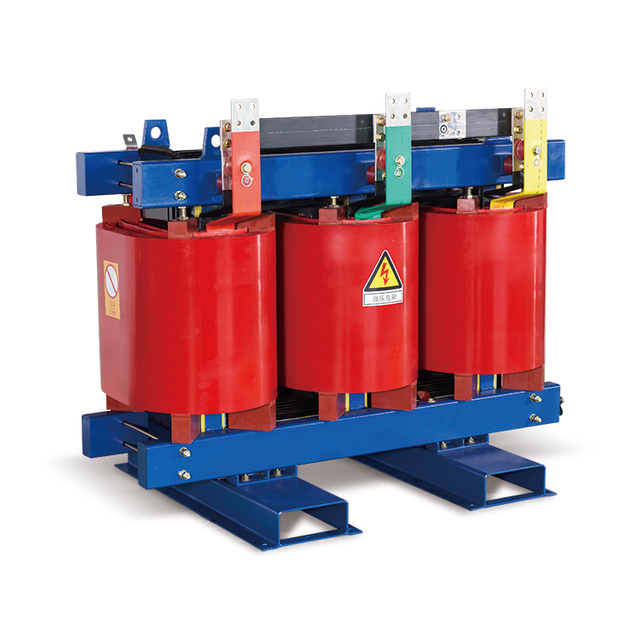
SHENGTE offers electrical equipment solutions for urban areas. These include transformers, switchgear, and distribution systems for busy cities. Its European-style prefabricated substation combines transformers with high- and low-voltage switchgear. They are linked by cables for independent operation. The company provides solutions for underground setups, compact substations, and custom projects. It uses vacuum switchgear, dry transformers, and vacuum circuit breakers for safe, fully insulated operation with no exposed live parts.

High voltage switchgear is a key part of modern city power systems. It ensures steady, efficient, and safe electricity distribution in crowded urban areas. By using small designs, smart tracking, green insulation, and digital twin technology, these systems tackle city challenges. These include tight spaces, strict rules, and the need for steady power. SHENGTE’s smart solutions blend advanced technology with practical design. They ensure city grids meet growing performance and green needs. As cities grow, high voltage switchgear will stay vital for building strong, efficient, and eco-friendly power systems.
Q1: What is the primary purpose of high voltage switchgear in power systems?
A: High voltage switchgear protects and controls power networks. It handles safe circuit connections, disconnections, and fault protection. The system isolates equipment for maintenance and manages power distribution. It keeps the grid stable by cutting off faults while keeping power flowing to other areas.
Q2: Why is compact switchgear design essential for urban applications?
A: Compact switchgear is key in cities due to scarce and costly land. It fits maximum function into small spaces and reduces visual effects. The design speeds up construction and allows setups in tight spots like basements and underground vaults.
Q3: How do smart monitoring systems improve switchgear performance?
A: Smart monitoring systems check equipment status and performance live. They predict maintenance needs to stop failures and cut downtime. These systems save costs and support central control. They also speed up emergency response and improve performance with data-based choices.