- All
- Product Name
- Product Keyword
- Product Model
- Product Summary
- Product Description
- Multi Field Search
Views: 0 Author: Site Editor Publish Time: 2026-07-30 Origin: Site
1.What Are Oil Immersed and Dry Type Transformers?
2.Key Differences in Performance, Safety, and Maintenance
3.How to Choose the Right Transformer for Your Project
4.Recommended Product – SHENGTE Oil Immersed Transformer
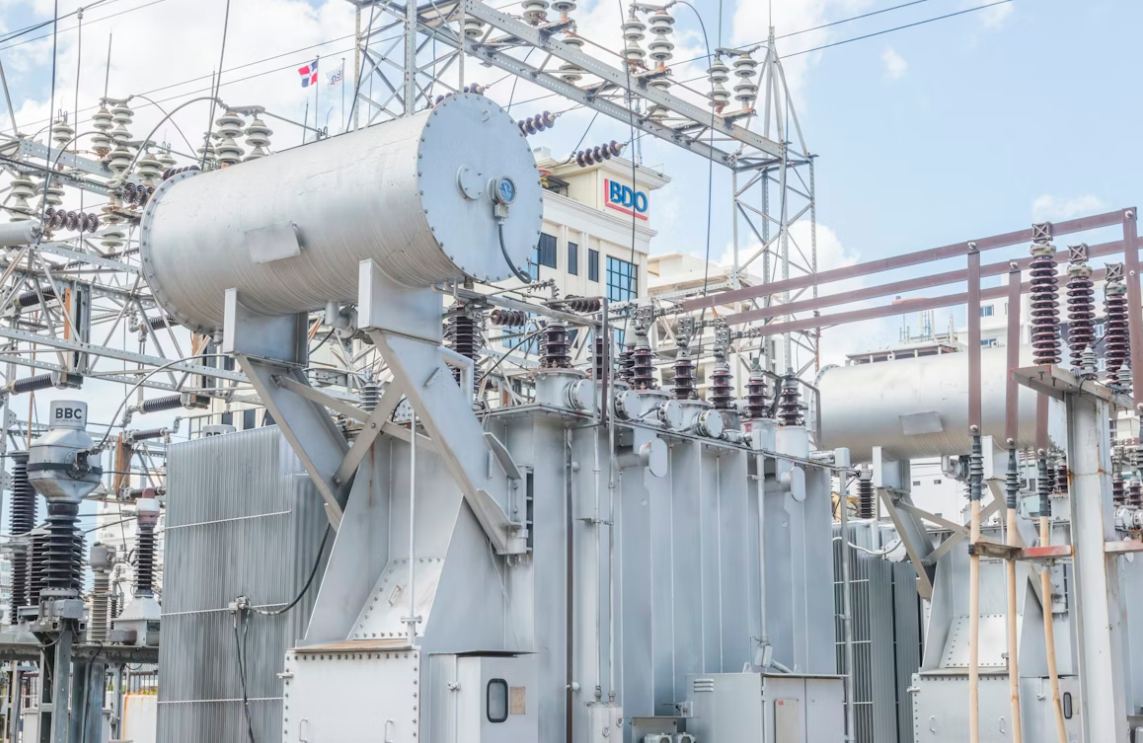
Selecting the right transformer shapes installation cost. It also shapes cooling efficiency. Fire safety plays a role, too. So do maintenance planning, service life, and long-term power reliability. For many industrial, commercial, and utility projects, the main comparison remains simple. You need to decide between an oil-immersed transformer and a dry-type transformer.
Both types provide a steady electricity supply. However, differences exist in the way they are insulated, how they cool down, where they get installed, and what upkeep they require. Examining the performance of oil-immersed vs dry-type transformers assists professionals and purchasers in choosing gear suited to actual working setups.
At SHENGTE, we manufacture oil-immersed transformer solutions for stable power distribution. Our S11-M-30/10 model is a three-phase oil-immersed transformer. It offers dependable operation, compact capacity, and reliable heat dissipation.
An oil-immersed transformer uses transformer oil as both insulation and cooling medium. The core and windings sit inside an oil-filled tank. The oil moves heat away from active electrical components during operation. This design supports stable performance under continuous load conditions.
A dry-type transformer skips oil. It uses air flow along with resin or other solid materials for insulation. This setup works well in indoor settings. Fire safety, clean conditions, and less need for oil handling become important there.
In an oil-immersed distribution transformer, the oil absorbs heat from the windings and core. Then it transfers that heat to the tank surface or cooling structure. In a dry-type transformer, heat leaves mainly through air flow around the core and coils.
Factor | Oil Immersed Transformer | Dry Type Transformer |
Cooling medium | Transformer oil | Air or resin system |
Insulation method | Oil insulation | Solid insulation or resin |
Common location | Outdoor or utility areas | Indoor or public areas |
Load performance | Strong thermal capacity | Suitable for controlled loads |
Maintenance focus | Oil condition and sealing | Dust, ventilation, and insulation surface |
In general, oil-immersed designs work better where cooling performance, outdoor reliability, and stronger load capacity matter most. Dry-type designs suit indoor projects where fire safety and oil-free operation take priority.
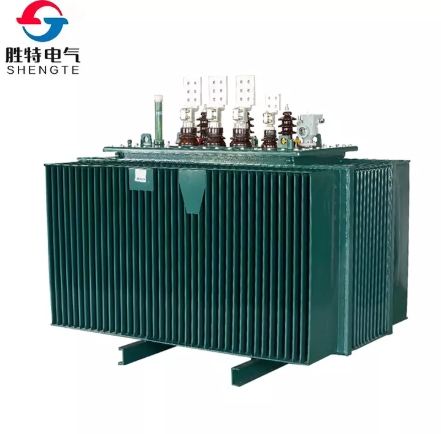
The main difference is cooling performance. Oil shifts heat better than air does. This allows oil-immersed units to operate steadily during ongoing or tough loads. That is why a three-phase oil-immersed transformer is commonly picked for industrial power distribution, utility systems, outdoor substations, and rural power networks.
Dry-type transformers perform well in clean indoor environments. Their cooling still depends heavily on ventilation. Poor airflow, high dust levels, or high ambient temperature can affect heat dissipation.
Safety needs differ as well. Oil-immersed transformers hold insulating oil. The project must consider oil containment, fire protection, tank sealing, and environmental protection. A dry-type transformer avoids oil leakage risks. This makes it suitable for public buildings, high-rise buildings, underground areas, and indoor electrical rooms.
Maintenance needs are not simply higher or lower. They are different. Oil-immersed units call for regular checks on oil quality, seals, running temperature, bushings, and any signs of leaks. Dry-type units call for attention to dust buildup, airflow, insulation surfaces, and coil heat levels.
Choosing where to install often guides the final selection. Oil-immersed transformers perform well outdoors. They work for power distribution networks, substations, and industrial areas. Dry-type models, however, belong indoors. Indoor sites usually follow tough fire safety rules or environmental guidelines.
Start by checking voltage and capacity requirements. Smaller commercial systems may use dry-type units. Outdoor utility projects or industrial loads might call for an oil immersed distribution transformer with better cooling. If the project needs a three-phase transformer for stable power distribution, engineers should calculate the peak load. They must also review ambient temperature, installation space, and future expansion needs.
The installation environment is another major factor. Outdoor applications often favor oil-immersed transformers. The oil cooling system and sealed tank structure support continuous operation in changing weather conditions. Indoor applications may favor dry-type transformers. They avoid oil containment requirements and can sit closer to the load center.
A practical selection approach is:
· Choose an oil-immersed transformer when outdoor installation, high load, strong cooling, and utility reliability are priorities.
· Choose a dry-type transformer when indoor safety, clean installation, and reduced oil management are more important.
· Compare lifecycle cost instead of only the purchase price.
· Confirm whether local maintenance teams are familiar with the selected transformer type.
· Match the transformer with site voltage, capacity, safety, and protection requirements.
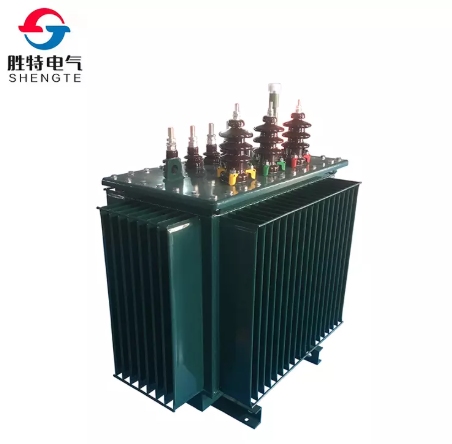
At SHENGTE, our S11-M-30/10 three-phase oil-immersed distribution transformer supports stable power distribution in industrial, commercial, and utility applications. It offers a practical solution for customers looking for an S11-10kV 30kVA oil-immersed transformer. The unit delivers reliable insulation, efficient cooling, and long-term operating performance.
Our S11-M-30/10 transformer has a rated capacity of 30kVA. High-voltage options include 6/10/11kV. Low voltage is 0.4kV. Connection group options are Yyn0/Dyn11. It uses the ONAN cooling method. Its no-load loss is 0.1kW. Its load loss is 0.63/0.6kW at 75°C.
The transformer uses a fully sealed structure. This helps reduce contact between transformer oil and outside air. The design limits oxidation and moisture entry. It supports safer and more stable long-term operation. The transformer oil also provides insulation and cooling. This makes the unit suitable for projects that need dependable heat dissipation.
The S11-M-30/10 works especially well when the project requires outdoor reliability, stable three-phase distribution, and efficient operation. As a China oil-immersed transformer supplier, we provide transformer solutions for industrial, commercial, and utility projects where safe and efficient power distribution is essential.

The selection between an oil-immersed transformer and a dry-type transformer rests on several factors. These include voltage level. Capacity comes next. The installation environment also plays a part. Cooling needs follow along. Safety requirements count as well. Long-term operating cost finishes the list. Oil-immersed transformers work well in outdoor spots. They fit industrial sites too. Utility projects benefit from them as well. These setups need good cooling. They also call for steady performance over many years. Dry-type transformers suit indoor jobs better. Fire safety stands out as a key point there. Clean installation adds to the appeal. They also cut down on oil management tasks.
For many projects, the best solution is not the most expensive option or the most compact option. It is the transformer type that matches the actual site conditions. Engineers should compare thermal performance, maintenance access, installation safety, and future expansion before making a final selection.
At SHENGTE, we manufacture oil-immersed transformer solutions designed for reliable operation and stable electrical performance. Our S11-M-30/10 three-phase oil-immersed transformer combines 30kVA capacity, 6/10/11kV high-voltage options, 0.4kV low voltage, ONAN cooling, and a fully sealed structure to support dependable distribution performance.
For customers seeking a reliable China oil-immersed transformer manufacturer, SHENGTE provides practical transformer products designed for efficient and stable power distribution.