- All
- Product Name
- Product Keyword
- Product Model
- Product Summary
- Product Description
- Multi Field Search
Views: 0 Author: Site Editor Publish Time: 2026-07-23 Origin: Site
1.What Are AIS and GIS Switchgear?
2.How Do AIS and GIS Compare in Space and Budget?
3.Which Option Better Meets Your Maintenance Needs?
4.Recommended Product – SHENGTE High-Voltage Switchgear
Deciding between air insulated switchgear and gas insulated switchgear changes equipment footprint. It also shapes project investment. Maintenance accessibility comes into play along with future expansion. Both technologies deliver control and protection for medium- and high-voltage networks. Their fit still hinges on the installation setting and daily operating needs.
At SHENGTE, we manufacture switchgear for power reception, distribution, protection, monitoring, and control. This guide compares AIS vs GIS switchgear and explains which solution better fits different space, budget, and maintenance requirements.
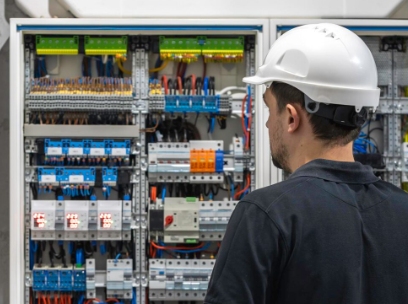
Air insulated switchgear uses atmospheric air as the main insulation medium between energized components and grounded structures. Because sufficient electrical clearance must be maintained, AIS usually requires a larger installation area.
The air insulated switchgear working principle is relatively straightforward. In everyday running, busbars and switching devices move current across the network. An overload or short circuit may happen at times. The protection system then gives a trip signal to the circuit breaker. This action cuts off the power flow. It also separates the damaged area from the rest.
A proven air insulated switchgear design normally separates the circuit breaker, busbar, cable compartment, and control equipment. This structure supports safer operation and more convenient inspection. Withdrawable circuit breakers can also be moved between service, test, and isolated positions.
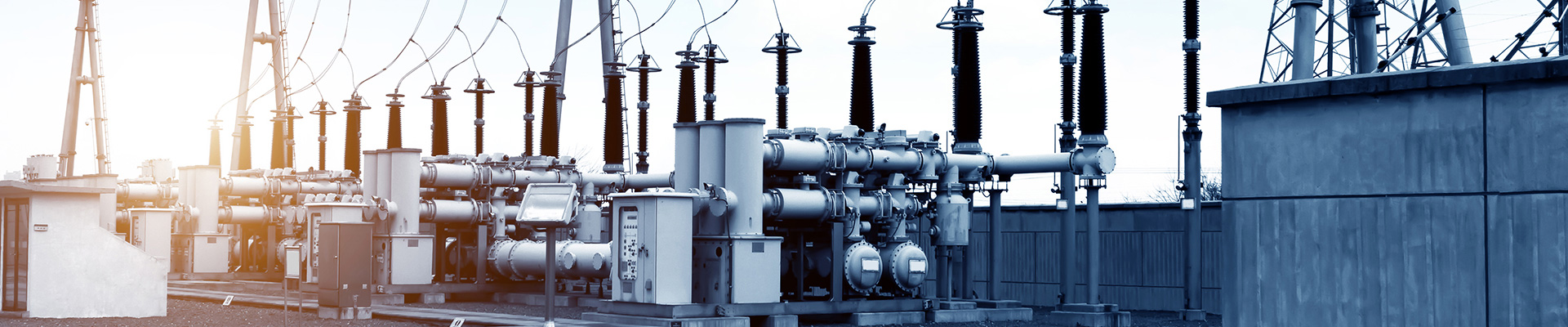
Gas insulated switchgear houses energized components inside sealed metal compartments filled with insulating gas. The insulation medium provides higher dielectric strength than air. This allows GIS to be built much smaller. Such a compact switchgear design works especially well in areas with tight space. Examples include underground substations, high-rise buildings, urban power rooms, and similar spots.
Factor | Air Insulated Switchgear | Gas Insulated Switchgear |
Footprint | Larger | More compact |
Initial cost | Usually lower | Usually higher |
Inspection | Easier visual access | Enclosed components |
Environmental protection | More exposed | Better sealed |
Maintenance | Conventional and accessible | Less frequent but specialized |
Air insulated switchgears see wide use in industrial plants, utility substations, mining facilities, and infrastructure projects. These sites often provide enough space for setup. GIS works better in places where floor space stays tight. It also fits well when environmental contamination raises a big issue.
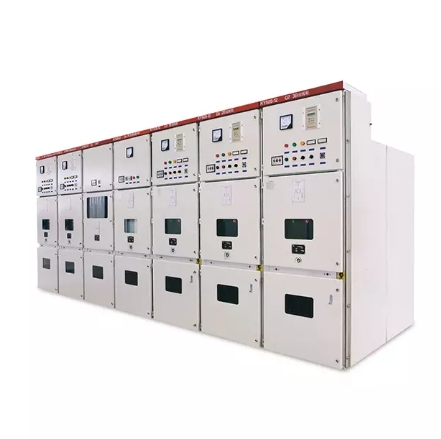
Space is one of the clearest differences in the air insulated switchgear vs gas insulated switchgear comparison. AIS requires larger phase-to-phase and phase-to-ground clearances, along with sufficient room for cables, ventilation, and maintenance access.
GIS reduces these clearance requirements by enclosing energized components in compact sealed modules. It may therefore reduce building size and civil construction requirements.
However, equipment footprint should not be evaluated separately from the total project cost. AIS generally offers a lower initial purchase price, while GIS requires a higher investment due to its specialized design and manufacturing process.
AIS is often the better option when:
*Installation space is readily available.
*Initial equipment cost must be controlled.
*Local technicians are familiar with conventional switchgear.
*Future feeder expansion is expected.
GIS may be more suitable when land or building space is expensive, the installation is underground, or the site has severe dust, humidity, salt, or pollution exposure.
The final budget comparison should include equipment, civil construction, cable routing, installation, spare parts, maintenance, and future expansion. A lower cabinet price does not always mean a lower total lifecycle cost.
Switchgear maintenance requirements differ significantly between AIS and GIS.
AIS components are easier to inspect, clean, test, and replace. Technicians can directly examine insulation surfaces, mechanical mechanisms, cable connections, and withdrawable devices. This is useful for industrial plants with trained in-house maintenance teams.
The disadvantage is greater exposure to dust, condensation, chemicals, and temperature changes. In harsh environments, AIS may require more frequent cleaning and inspection.
GIS protects its main components inside sealed enclosures, reducing routine exposure to contamination. Internal maintenance may therefore be less frequent. However, gas handling, leak testing, and sealed-compartment repairs usually require specialized equipment and technicians.
Before making a selection, operators should consider technician availability, spare-part access, shutdown schedules, environmental conditions, and future expansion needs. AIS provides more accessible maintenance, while GIS provides stronger environmental isolation.
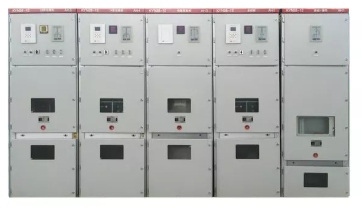
For projects that prioritize accessible servicing, configuration flexibility, and controlled investment, we offer the SHENGTE KYN28A-12 Indoor Metal-Clad Withdrawable High-Voltage Switchgear.
Our KYN28A-12 is designed for 12kV indoor power reception and distribution. It supports control, protection, monitoring, and measurement functions and can be used in power plants, industrial facilities, mining operations, and secondary substations.
Its metal-clad construction separates the main functional areas, while the withdrawable design allows the circuit breaker to be removed for testing and maintenance without dismantling the entire cabinet. The product offers main and branch busbar current options from 630A to 4000A. The external enclosure is rated IP4X, while open compartments and doors are rated IP2X.
At SHENGTE, we recommend this air insulated switchgear solution for projects that require:
*A 12kV indoor distribution system
*Convenient inspection and servicing
*Flexible incoming and outgoing feeder arrangements
*Reliable protection and monitoring
*Long-term maintenance by industrial or utility technicians
Where sufficient indoor space is available, our KYN28A-12 provides a practical alternative to gas insulated switchgear. It combines a proven air insulated switchgear design with withdrawable construction and accessible maintenance.
AIS vs GIS switchgear should be selected according to actual site conditions. Air insulated switchgear generally provides lower initial cost, easier inspection, accessible maintenance, and flexible expansion. Its main limitations are a larger footprint and greater sensitivity to environmental contamination.
Gas insulated switchgear comes in a small size. It gives better protection against dust, moisture, and contaminants. This makes it a good fit for underground spots and city setups. But it usually needs more money to start with. It also calls for expert help when it comes to servicing.
At SHENGTE, our KYN28A-12 high voltage switchgear supports reliable 12kV power reception and distribution with flexible configuration and convenient maintenance. By balancing space, budget, environmental conditions, and servicing resources, project planners can select a switchgear architecture that delivers safe and stable long-term operation.