- All
- Product Name
- Product Keyword
- Product Model
- Product Summary
- Product Description
- Multi Field Search

Views: 0 Author: Site Editor Publish Time: 2026-10-22 Origin: Site
RMU and Electrical Switchgear: Different Jobs in a Distribution Network
Applications: Utility Ring Networks, Buildings and Industrial Loads
Selection Checklist: Rating, Safety, Maintenance and Total Cost
SHENGTE High-Voltage Switchgear as a Practical Selection Route
An RMU and a switchgear lineup both manage medium-voltage power. However, they meet distinct project goals. An RMU is a compact medium-voltage assembly used for ring or radial distribution and typically combines load-break switching with transformer-feeder protection. A full medium-voltage switchgear lineup can accommodate more feeders and may provide circuit breakers, metering, protection relays and more accessible maintenance arrangements. The best choice relies on the network layout. You must also consider fault levels, uptime goals, room size, and daily tasks. Buyers need to weigh the actual workload and long-term needs. They should not just view an RMU as a tiny switchgear model.
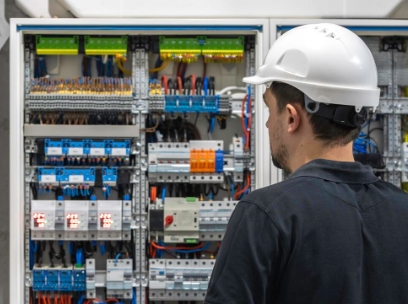
> An RMU typically links incoming and outgoing ring paths with a transformer feeder. Its small size supports network sectionalizing and service restoration. This happens within a secondary grid. The project team must check the internal parts. They need to see if the unit uses load-break switches, fuses, or circuit breakers. These parts handle specific fault and safety tasks. The team must also define the number of ways or feeders and the cable connections. Grounding setups and remote-control needs are equally vital. A ring main unit switchgear setup performs best here. It excels when the network duty and switching steps are very clear.
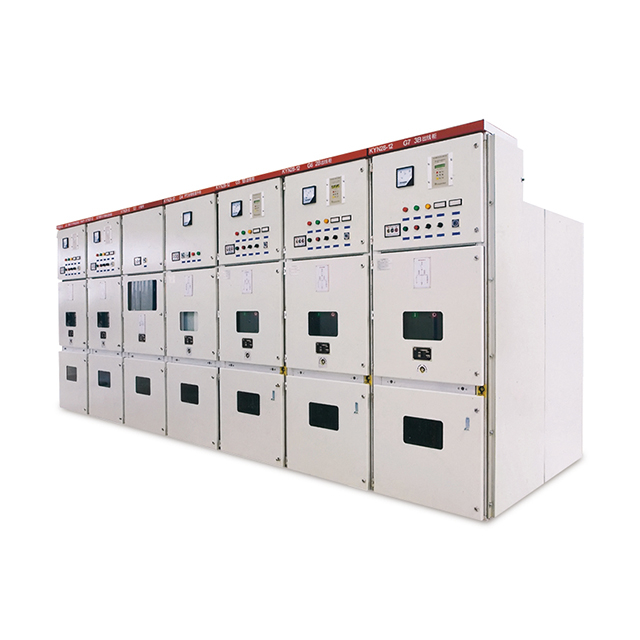
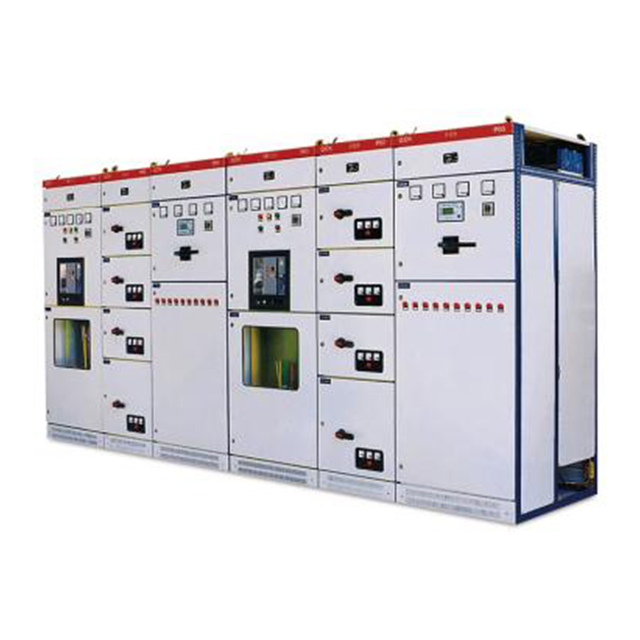
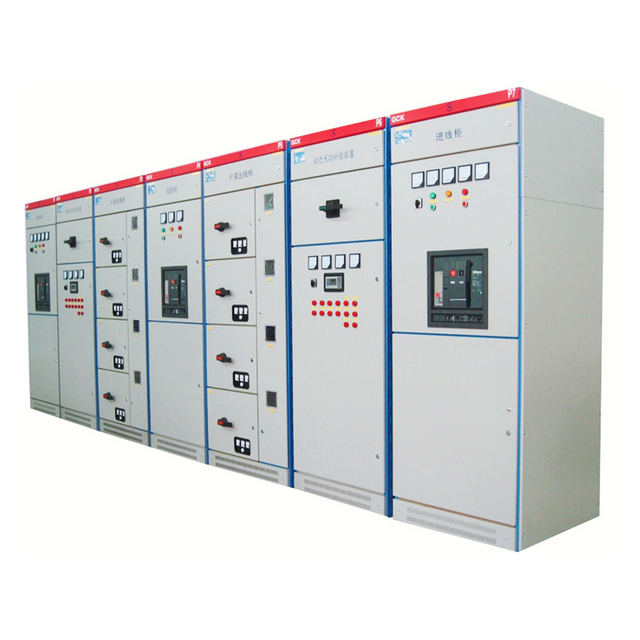
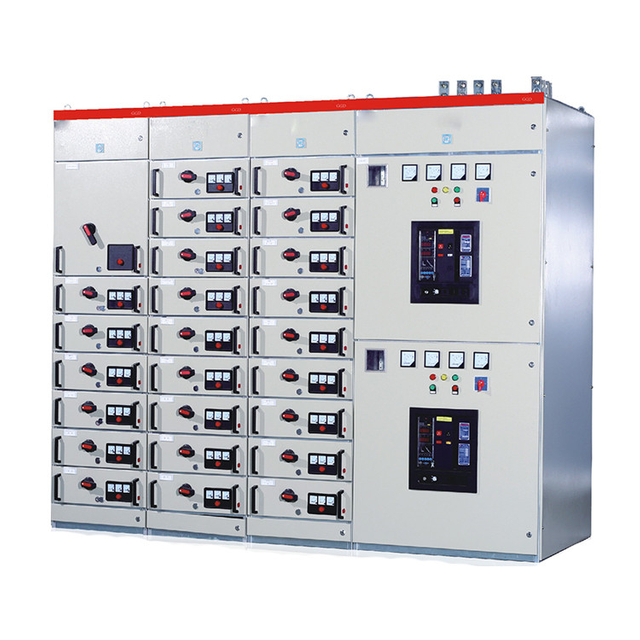
Electrical switchgear delivers dedicated bus sections and many outgoing feeders. It also houses instrument transformers, digital relays, earthing switches and interlocks. Planners usually pick this setup for specific reasons. Operators might want better safety pairing or extra circuits. They may also want simpler access to single feeder parts. Compartmentalization between functional sections aid testing and repairs. At the same time, a withdrawable breaker can simplify isolation and maintenance of a feeder. The downside includes a bigger size and extra parts. It also brings a more complex working routine.
The single-line drawing must show the gear's job first. Do this before picking the metal box. An RMU often suits a ring or radial secondary substation. It works well with a set switching routine and a low feeder count. A medium voltage switchgear row looks much better for complex sites. This applies when you must manage and secure multiple power sources, bus sections, or separate feeders. You should read the fault study and uptime goals alongside the drawing. This step stops buyers from picking gear just based on physical size or starting cost.
The label LV/MV electrical switchgear describes gear for low- and medium-voltage grids. Still, the building styles and space rules differ greatly. An RMU is small. It is often fully sealed or split into fixed sections. A larger row might feature metal-clad switchgear assemblies. It can include safety shutters, a busbar zone, and a rolling breaker cart. Buyers must state the exact voltage class and insulation level. They also need to list rated-current values, short-circuit strength, and internal-arc rules. Do this before looking at different brands. A strict detail sheet helps much more than a vague group name.
The term LV/MV electrical switchgear must always link to clear voltage, current, and fault facts. Engineers need to figure out the normal load current. They must also find the likely short-circuit current. The time-current coordination between upstream and downstream devices is very important. CT ratios and relay settings must offer appropriate pickup thresholds. They must do this without causing nuisance trips. False stops can happen during transformer starts, motor starting, or short overloads. The grounding style also changes how earth faults are found. Sometimes, automatic shifts or remote controls are part of the plan. In those cases, the control logic must check where devices sit. This stops dangerous parallel running.
High voltage electrical switchgear demands a close look at insulation pairing. You must also check locks, grounding steps, and safe switching orders. The room floor plan must leave space for cable work. It needs room for daily tasks, fire exits, and testing tools. Repair crews require strict rules for cutting power. They must prove the line is dead and ground the circuit properly. A closed RMU might take up less room. However, repairs often rely on special factory parts and manufacturer support. A full row normally gives simpler access to breakers, relays, and cable zones. Even so, it holds more parts that need regular care.
An RMU fits well in tight secondary substations and office towers. It also suits utility ring grids. These spots often lack space and have steady switching habits. The buyer must check the number of paths and transformer safety methods. Automation goals and future feeder plans need a look too. The control panel must suit the actual workers. These workers might be utility staff, building techs, or outside repair teams. This step ensures the small unit matches real daily tasks.
A larger setup makes sense for busy factories and data centers. Power plants and sites with many feeders also benefit. These places often have strict uptime needs. Extra safety layers and open access make testing much easier. Upkeep and future growth become simpler too. Still, this choice needs more room, money, and staff training. Factory motors, large transformers, and local generators have special needs. They often require safety features and monitoring functions. These tools fit much easier into a full row. A proper pairing study must drive the final choice. Do not just pick based on a preference for compact or large equipment.
Solar panels, batteries, and other modern power sources alter the grid. They change how fault currents act, how power flows, and how safety triggers work. An RMU might still handle a simple feeder job. Yet, smart controls, data links, and directional safety add huge value to a flexible row. The project team must write down normal and abnormal power flows. They must note reverse power risks and the shut-off steps for every source. These details belong in the early planning stage. Finish this review before locking in final power ratings and relay tasks.
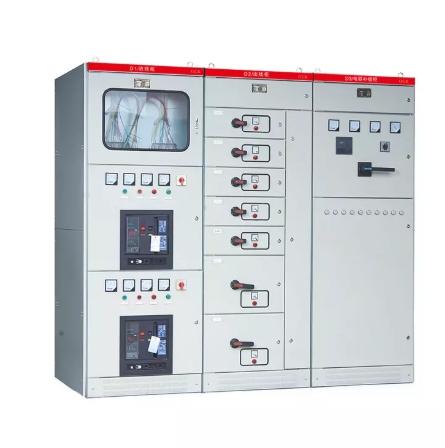
The quote request must list exact voltage and rated current. It must also show short-circuit limits, frequency, and earthing system. Include the feeder list, cable entry points, and CT/VT needs. Relay tasks, safety locks, data links, enclosure type, and room sizes are also vital. Weather details must cover local heat, dampness, and height above sea level. Note any dust, rust risks, and whether the gear sits inside or outside. These facts let makers compare RMU and electrical switchgear setups fairly. Every bidder must point out their assumptions and missing items. They must also state any limits on adding more gear later.
Look closely at spare parts, testing steps, and staff training. Check repair access, swap routes, and room for growth. An RMU makes sense when the number of lines stays fixed. However, growing is hard if the first unit lacks a spare path or cable gap. A full row largely gives more ways to expand. This works well if you set the bus rating and safety zones early. You must also plan the physical links from day one. Compare the raw gear, concrete work, and startup tests. Look at planned shut-offs and long-term help. Do not just rely on the starting price tag.
Ask for routine-test reports before signing off. Demand proof of design tests, safety limits, and wiring maps. You also need lock details and a clear startup plan. Find out who provides the relay files and operator training. Check who supplies final drawings, spare parts, and later support. The quote request must split technical facts from the commercial terms. A vendor might suggest an RMU instead of a big row. If so, demand a plain reason. They must explain line limits, fault handling, repair access, and expansion constraints. This lets you judge the other option fairly.
Buyers can look at SHENGTE high-voltage switchgear for complex jobs. It works well when a site needs organized line safety, tracking, switching, and easy repairs. The technical check must follow the single-line drawing and the fault study. It should also track the room map, cable paths, and uptime goals. You must verify the offered voltage and current limits. Check the short-circuit strength, safety features, and meter tasks. Locks, grounding styles, box shapes, and paperwork bundles need checking too. Match these proven facts to the real site plan. Do not just guess based on the brand label.
Pick an RMU for a small, clear ring-network task. Do this when the needed switching and safety steps match the empty slots and care plan. Go with a larger row when safety depth and line counts matter more. Testing ease and future growth also push buyers toward full rows. At SHENGTE, we can review all the project details. We can match the high-voltage setup with your daily work needs. The final choice must tie back to grid studies and safety rules. It must also link to repair needs and the total expected cost over time.