- All
- Product Name
- Product Keyword
- Product Model
- Product Summary
- Product Description
- Multi Field Search
Views: 0 Author: Site Editor Publish Time: 2025-08-20 Origin: Site
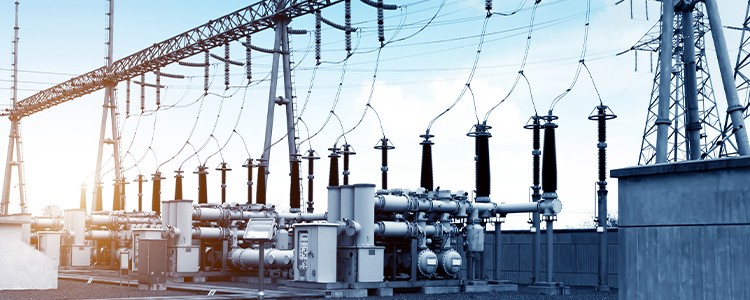
The four types of substations are step-up transmission, step-down transmission, distribution substation, and underground distribution substation.
Step-up transmission substations make voltage higher for sending electricity far.
Step-down transmission substations make voltage lower so it is safer for towns.
A distribution substation sends electricity to homes or businesses at safe levels.
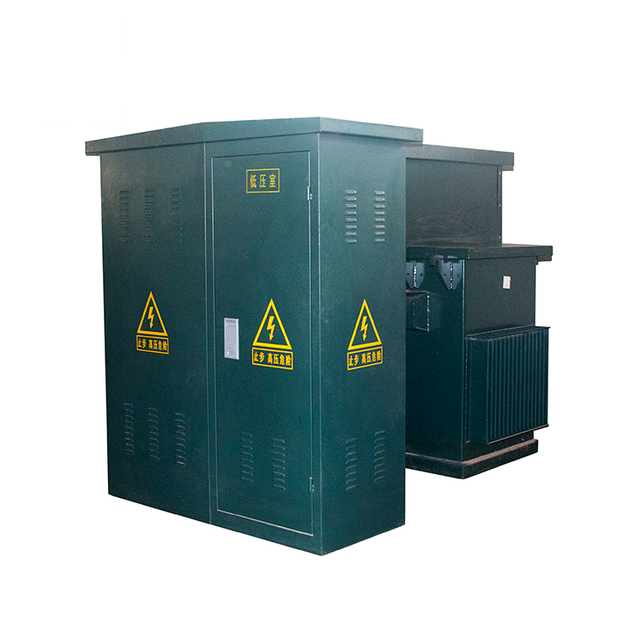
An underground distribution substation gives electricity from below the ground, usually in cities.
Knowing these four types helps workers choose the right substation for power needs, place, and how fast a project must go.
Step-up substations make voltage higher. This helps send electricity far. It also means less energy is lost.
Step-down substations make voltage lower. This makes it safe for towns. It is also safe for people to use.
Distribution substations give electricity to homes and stores. They make sure it is safe to use.
Underground substations are built below ground. They save space in busy cities. They also keep equipment safe.
Modern substations use smart tools and switchgear. These help keep power safe and reliable.
Step-up transmission substations are important at the start of power delivery. They take electricity from power plants and make the voltage much higher. This helps electricity travel far without losing much energy. These substations use double-winding transformers made with copper or aluminum. These transformers change voltage well and keep the grid steady. Many transformers work together, so if one stops, others keep working. This makes the system reliable and safe.
Step-up substations link to both high-voltage and low-voltage busbars. This lets the grid work together and stay flexible. These substations usually handle voltages from 69 kV to over 345 kV. Sometimes, they use extra-high voltage up to 765,000 volts for sending power very far.
| Aspect | Description |
|---|---|
Main Function | Changes voltage to levels that work for sending and sharing electricity, moving it from power plants to users. |
Operational Principle | Uses double-winding transformers (copper or aluminum) to change voltage, lower energy loss, and keep the grid steady. |
Transformer Configuration | Connects high-voltage and low-voltage sides to busbars for teamwork, making power supply steady and safe. |
Role in Step-Up Substations | Raises voltage for sending electricity far, which is what substation transformers do. |
Transformer Types | Copper-wound and aluminum-wound; double-winding transformers are strong and work for big jobs. |
Redundancy and Reliability | Many transformers work at once; if one fails, others keep power on, so the grid stays steady. |
Voltage Category | Typical Voltage Range | Purpose/Notes |
|---|---|---|
High Voltage (HV) | 69 kV to 345 kV | Used for most power transmission |
Extra-High Voltage (EHV) | Above 345 kV | Used for sending power very far |
Step-down transmission substations are the next step in the process. They get high-voltage electricity from the network and lower it to safer levels. This is needed because electricity travels best at high voltage, but homes and businesses need lower voltage to be safe.
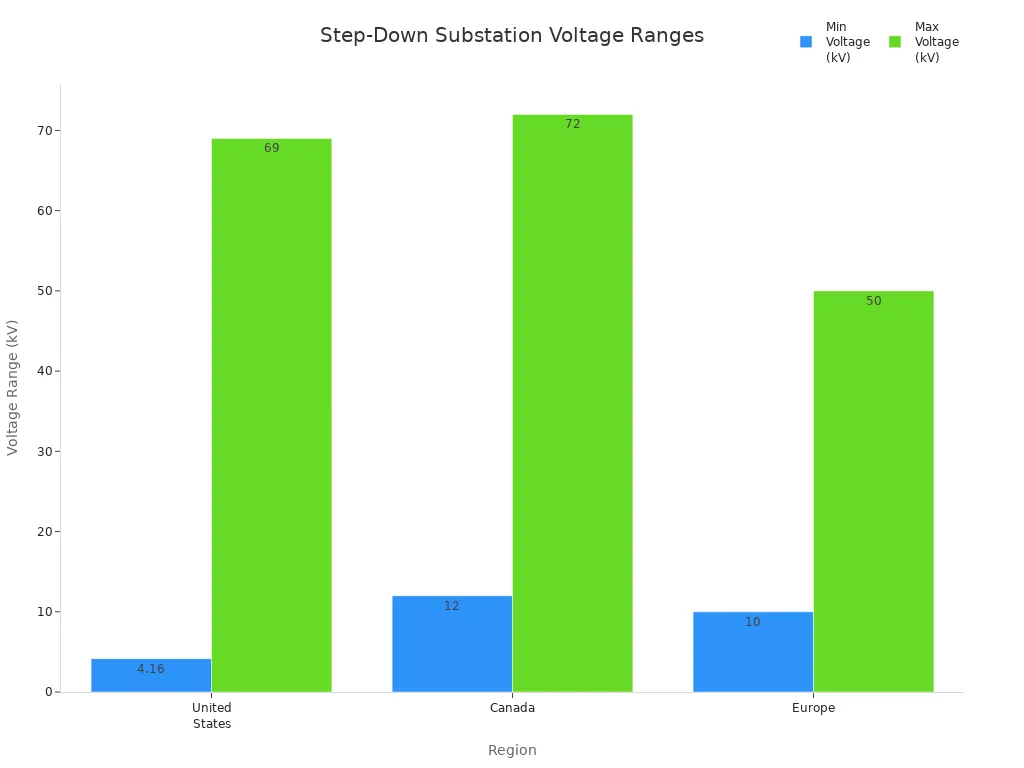
In North America and Europe, these substations lower voltage from about 110 kV or 220 kV to medium levels. In the United States, common lower voltages are 13.8 kV and 34.5 kV. In Europe, 20 kV and 33 kV are usual. These substations help local networks safely give power to people.
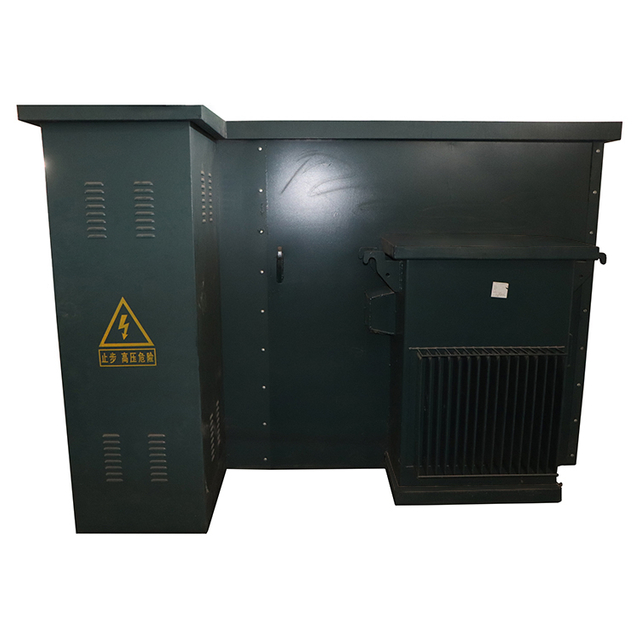
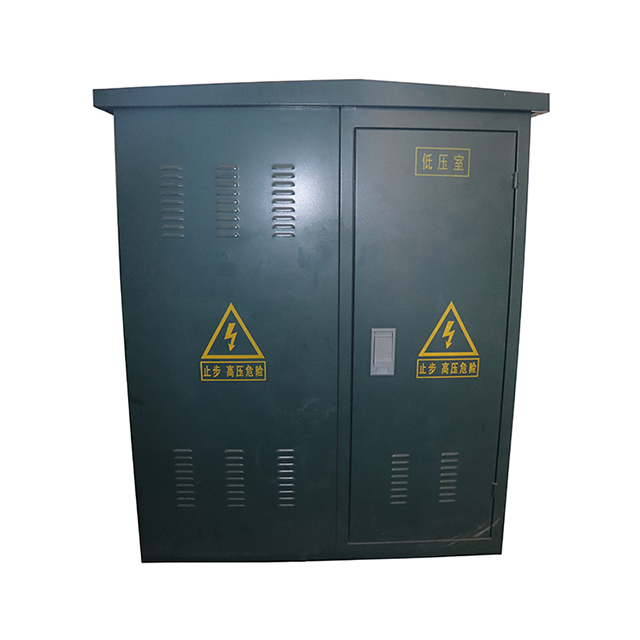
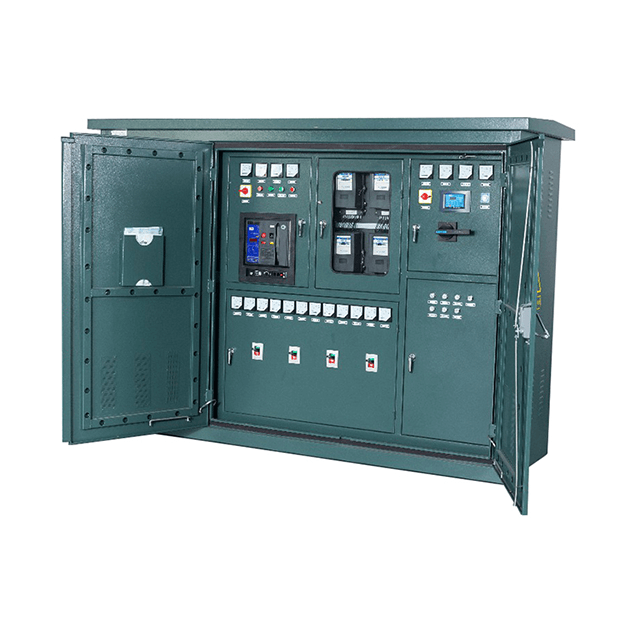
Distribution substations connect the transmission system to the people who use electricity. They lower voltage from transmission levels to distribution levels, usually between 110 and 600 volts. This voltage is safe for homes, schools, and businesses. These substations have transformers, busbars, and switchgear to manage electricity.
Distribution substations get power from more than one supply line, so they are more reliable.
They use high-voltage switches to make maintenance safe.
Busbars made of copper or aluminum send current to different lines.
Switchgear lets workers safely turn circuits on or off.
SCADA systems let people watch and control the substation from far away.
Distribution substations also help add solar and wind power to the grid. They control electricity flow, balance how much is used, and use smart tools to keep the grid steady. Newer distribution substations use digital tools and automation to handle changing power from renewables, so everyone gets steady power.
Underground distribution substations give electricity from below the ground, mostly in cities where space is tight and looks matter. These substations use gas-insulated switchgear (GIS) instead of air, so they take up less space. The equipment is inside metal boxes filled with gas, which keeps it safe from weather.
Aspect | Above-Ground Substations (AIS) | Underground Substations (GIS) |
|---|---|---|
Insulation Type | Uses air, equipment is outside | Uses gas, equipment is inside metal boxes |
Location | Outside, needs a lot of space | Inside or underground, needs less space |
Footprint Size | Bigger because of air and outdoor setup | Smaller because of compact gas insulation |
Environmental Exposure | Open to weather and outside conditions | Protected from weather and outside problems |
Design Components | Has fences, foundations, control houses, and steel frames | Has small enclosures, not much outdoor structure |
Maintenance Access | Easier to reach because it is outside | Harder to reach because it is inside or underground |
Operational Benefits | Easier to fix, but needs strong outdoor protection | Better protected from weather, less affected by storms |
Underground substations have special problems. Building them needs careful planning, the right rocks for safety, and following rules for the environment. Fixing them can be harder because they are hard to reach, but they are safer from weather and look better in cities.
Underground substations help give steady electricity in busy cities, making life easier while keeping the city looking nice.
Electrical substations are very important in moving electricity. Each type of substation has special features to help electricity move safely and easily. The table below shows how step-up transmission, step-down transmission, distribution, and underground distribution substations are different:
Substation Type | Key Features | Voltage Role | Typical Location | Structural/Design Characteristics |
|---|---|---|---|---|
Step-Up Transmission | Raises voltage so electricity can travel far. | Makes voltage higher from power plants | At power plants | Has circuit breakers; built for high voltage work |
Step-Down Transmission | Lowers voltage so it is safe for people to use. | Makes voltage lower for local use | Near cities or factories | Uses transformers and switchgear for safety |
Distribution Substation | Sends electricity to homes and businesses. | Gives out safe voltage | Close to people who use power | Has many wires and grounding for safety |
Underground Distribution | Sends power from below the ground to save space. | Same as other distribution substations | In crowded city areas | Built underground; uses small gas insulated equipment |
Modern substations use new switchgear, digital relays, and gas insulated substations. These things make substations safer, more reliable, and work better inside or outside.
Substations have different jobs in moving electricity. Step-up transmission substations raise voltage at power plants. This helps send electricity far away. Step-down transmission substations lower voltage near cities or factories. This makes electricity safe for people to use. Distribution substations send power right to homes and businesses. Underground distribution substations do the same job as regular ones but are under the ground in busy cities.
Underground substations help cities save space and look nice. Outdoor substations are good where there is lots of room.
Switchgear lets workers control and protect circuits safely. Gas insulated substations are used inside or underground, especially where there is not much space.
Substations help the power system in many ways:
Step-up transmission substations make sending electricity easier by raising voltage and stopping energy loss.
Step-down transmission substations make sure electricity is safe for local networks.
Distribution substations give steady power to people and businesses.
Underground distribution substations keep equipment safe from weather and make cities look better.
Switchgear makes substations safer and easier to fix, both inside and outside. Gas insulated substations are small and protect equipment well, especially inside or underground. Modern substations use digital tools and automation to watch and control systems. This helps keep the grid steady and working well.
Indoor substations are best where space is tight and weather protection is needed. Outdoor substations are good where there is lots of space and easy access.
Switchgear and gas insulated substations help make power systems smarter, safer, and more flexible.
Electrical substations have different shapes and uses. They are not all the same. The biggest differences are in how they use insulation, their size, and how they keep equipment safe from weather. The table below shows how each type is different:
Substation Type | Insulation Method | Physical Design & Size | Environmental Protection | Functionality & Operation |
|---|---|---|---|---|
Open Air | Air | Big and needs lots of space | Open to rain and sun | Needs lots of room; works best in open places |
Metal Enclosed | Solid insulation | Small, metal boxes | Some protection | Keeps power on better than open air |
Metal Clad | More compartmentalized | Very small | Strong protection | Can be fixed without stopping power |
Gas-Insulated (GIS) | SF6 gas | Tiny, fits in tight spots | Closed off, safe from weather | Great for high voltage and small spaces; strong insulation |
Switchgear helps control and protect electricity in every substation. Gas-insulated switchgear lets cities put substations underground or inside buildings.
Picking a substation depends on many things. Utility companies think about cost, space, safety, and how much protection is needed. Here are some key ideas:
Underground distribution substations are good for cities. They save space and keep equipment safe from weather.
Aboveground substations cost less but need more land. They can look odd in neighborhoods.
Indoor substations are quieter and safer. They work well in busy places or near homes.
Outdoor substations are best where there is lots of land.
Utility companies also think about future needs and costs. Small substations may cost more at first but save money later on land and repairs.Distribution substations should be close to where people use electricity. Underground ones make less noise and look better in cities. Switchgear and new designs help keep substations safe and easy to fix.
There are four main types of substations. Each one helps electricity get to us in a special way. Step-up substations make voltage higher so power can travel far. Step-down substations lower voltage so it is safe near homes. Distribution substations send power to neighborhoods. Underground substations keep equipment safe in busy cities. These differences help us see how electricity gets to homes and businesses. When we learn about these systems, we see how good design keeps our power safe and steady.
A substation changes how strong electricity is. It helps move power from power plants to homes and businesses. This keeps electricity safe for everyone.
Cities use underground substations to save space. They also protect equipment from rain and storms. These substations help cities look neat and not crowded.
A distribution substation makes electricity less strong. It sends power to houses, schools, and stores. This gives people the right amount of electricity.
Special workers called technicians or engineers look after substations. They check the machines and fix any problems. They make sure everything works safely.
Yes, substations can connect solar or wind power to the grid. They help balance electricity from different sources.