- All
- Product Name
- Product Keyword
- Product Model
- Product Summary
- Product Description
- Multi Field Search
Views: 0 Author: Site Editor Publish Time: 2026-04-16 Origin: Site
Why Do Three-Phase Transformers Produce Noise and Vibration?
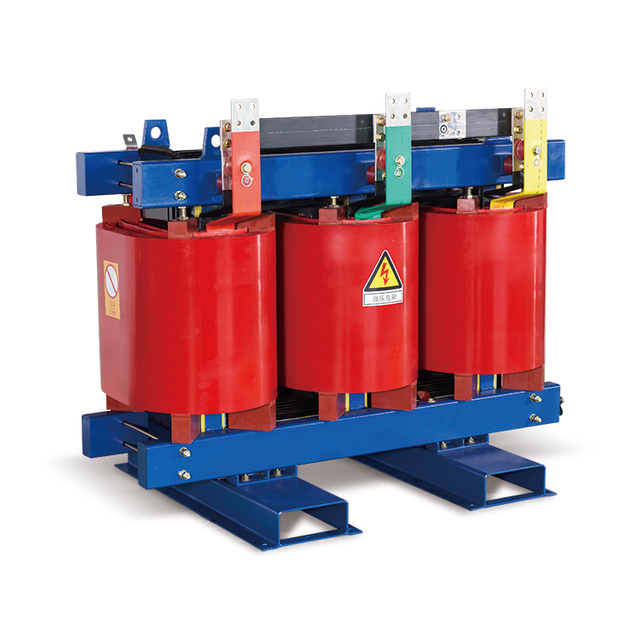
Recommended Product – SHENGTE Triphase Distribution Transformer
In today's power networks, transformers run nonstop to provide steady electricity for factories, businesses, and public grids. Yet, a frequent issue that draws attention is transformer noise—the typical buzzing heard close to substations or power gear. A bit of sound is expected, but too much racket and shaking can signal serious electric or physical problems.
At SHENGTE, we concentrate on creating top-notch transformer options that cut down working noise. At the same time, we keep up strong performance and dependability. In this piece, we look into the main reasons for distribution transformer noise. We also examine harmonics' influence and ways smart planning can lessen shaking and boost transformer durability.
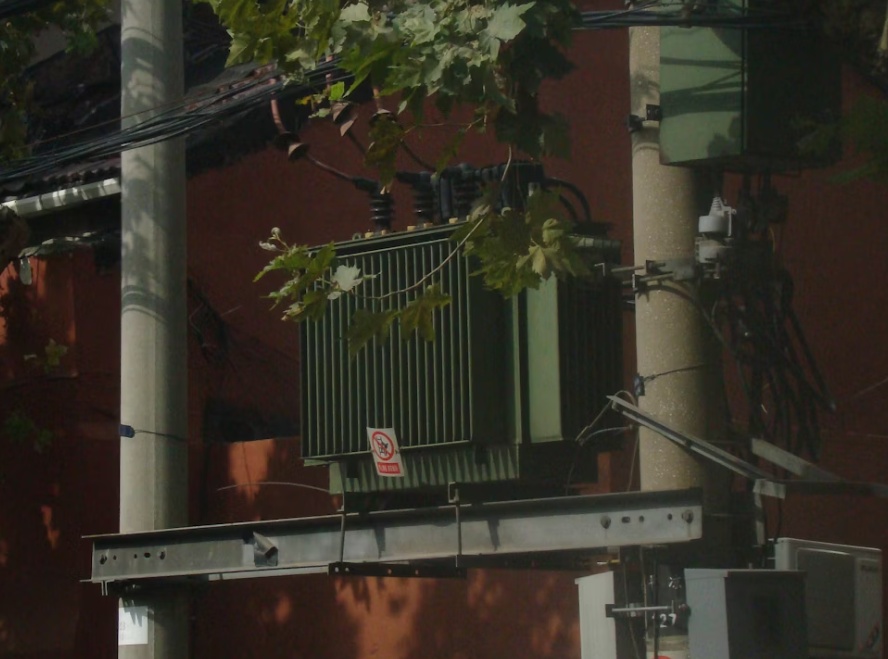
The usual buzz from a transformer comes mainly from how its core and coils act under changing current. In a three phase power transformer, power shifts back and forth between voltage levels. This creates magnetic forces that spark shaking.
That shaking passes through the transformer's frame. Then, it spreads out as sound you can hear. Experts call this transformer noise.
A key transformer vibration causes is something called magnetostriction. The magnetic field in the transformer core flips direction 50 or 60 times each second. This depends on the network's frequency. When it does, the core stuff grows and shrinks just a tiny bit.
These size shifts are very small. However, they happen fast and without stop. So, they make shaking that leads to the well-known buzzing.
Top transformers use better core stuff and smart builds to fight this. At SHENGTE, we pick core materials with care. Plus, we use modern making methods to shrink noise from magnetostriction.
Unlike lots of electric tools, transformers work all the time when loaded. A three phase transformer stays powered up. Thus, the magnetic field never rests. This nonstop work brings steady shaking and sound.
How loud the noise gets relies on various things. These include:
l Load situations
l Core material strength
l Build design
l Setup surroundings
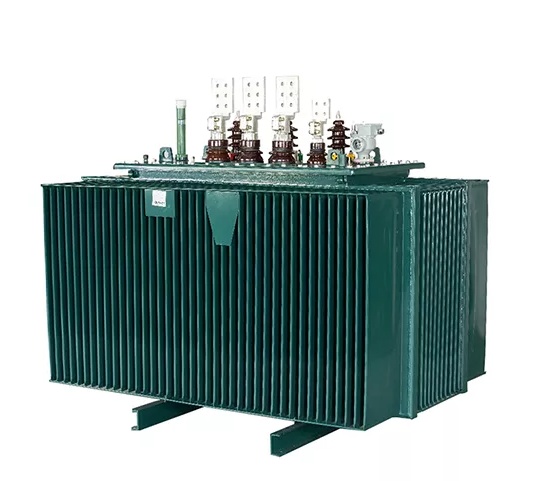
Changes in load affect distribution transformer noise too. When power needs grow, more current runs through the coils. This makes bigger magnetic forces. Those can heighten shaking. It happens especially if the transformer isn't built well for shifting loads.
Bad power quality adds to it. For example, uneven voltage or wavy shapes can raise shaking more. As a result, noise stands out clearer.
Harmonics mean voltage or current waves that stray from the main frequency in the power setup. The wave isn't a clean curve. Instead, it has extra waves piled on the main one.
A harmonic distortion transformer works in these wavy setups. There, harmonics change how it runs.
Today's power setups have plenty of non-linear loads. Examples are:
l Speed-changing drives
l Factory control machines
l Server rooms and gadgets
l LED light setups
These pull current in uneven ways. So, they make harmonic currents. Those flow through the grid and reach transformers.
Harmonics play a big part in transformer noise. They add extra frequencies to the magnetic flow in the core. This leads to trickier and uneven magnetostriction.
Because of that:
l Core shaking gets stronger
l Sound levels rise
l Noise might change from even buzz to rougher or uneven tones
This shows why harmonic wavy shapes tie closely to transformer vibration causes.
Harmonics don't just boost noise. They also spark more heat inside the transformer. Faster currents mean higher swirl losses and side losses in the core and coils.
This added heat can:
l Shorten insulation lifespan
l Raise running heat
l Drop total output
For a three phase power transformer, handling harmonics matters a lot. It keeps both work quality and lasting power.
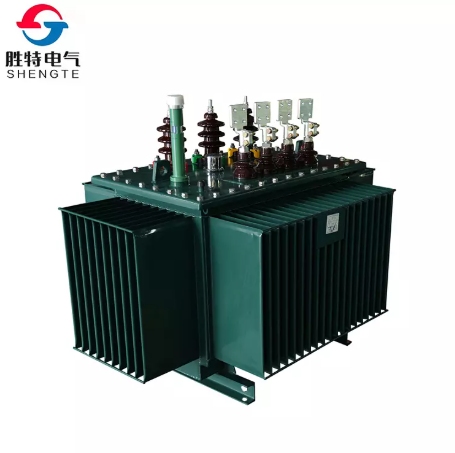
Too much shaking puts wear on inside parts like coils, core holders, and frame supports. With time, this wear might loosen pieces or tire out the build.
In bad cases, long shaking can cause physical breakdowns. That hurts the transformer's trustworthiness.
As noted before, harmonic wavy shapes raise inside heat. Higher warmth speeds up aging in insulation stuff. That stuff is vital to stop electric errors.
If insulation wears down, short circuits and breakdowns risk going up a lot.
Transformers facing high distribution transformer noise and shaking need checks and fixes more often. Workers might have to:
l Secure mechanical parts
l Watch heat and oil state
l Deal with odd noise ways
Skipping these warnings can bring surprise stops and pricey fixes.
Choosing a smart-built transformer is a top way to cut noise and shaking. Strong transformers include:
l Low-waste core stuff
l Best coil setups
l Solid mechanical builds
l Good cooling setups
At SHENGTE, we focus on these build parts. So, our transformers run softly and surely, even in tough spots.
At SHENGTE, we provide smart transformer fixes. They aim to shrink noise and shaking. Yet, they give high output. One main item is the S11-200kVA 10kV/400V three phase oil-filled distribution transformer.
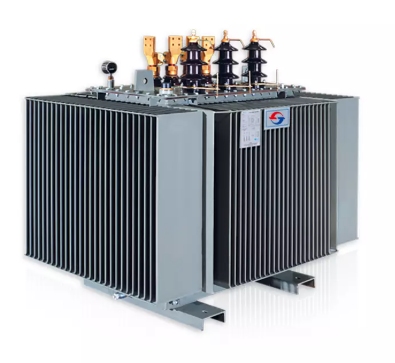
Our transformer is made with exact care to handle transformer noise from the start. We improve the core shape and holder system. This cuts mechanical shaking and makes running smoother.
We pick top silicon steel for the core. It shows low magnetostriction traits. This cuts the effect of harmonic wavy shapes. It also lowers sound levels.
Our build way makes sure the transformer stays steady. Even in spots with uneven loads, it performs well.
The S11-200kVA is a tough three phase power transformer. It fits factory and grid uses. It handles changing loads while keeping low noise and high output.
This suits it for plants, office spots, and power spread lines.
Our transformer has an oil-based cooling that boosts heat release. It ensures lasting sureness. The closed build guards inside parts. So, it cuts fix needs and stretches work time.
At SHENGTE, we work to give transformer fixes that mix output, strength, and quiet running.
Transformer noise and shaking are normal results of how transformers work. They come mostly from magnetostriction and magnetic forces. But, things like harmonic distortion transformer setups can make these worse. This brings more shaking, louder sound, and less output.
Knowing the main transformer vibration causes—such as harmonics, load setups, and stuff traits—is key. It helps better system work and longer transformer life. Too much distribution transformer noise harms the area. It can also point to hidden problems that need fixing.
At SHENGTE, we tackle these issues with smart building and top stuff. Our three phase transformer options, like the S11-200kVA oil-filled distribution transformer, aim to cut noise. They lessen harmonic effects and keep steady long running.
If you seek a sure, low-noise three phase power transformer, check SHENGTE items. Reach out to us for custom fixes fit to your power spread wants.