- All
- Product Name
- Product Keyword
- Product Model
- Product Summary
- Product Description
- Multi Field Search
Views: 0 Author: Site Editor Publish Time: 2026-10-08 Origin: Site
Choosing Between Indoor Dry Type and Outdoor Oil Filled Arrangements
SHENGTE SCB10/11 1000 kVA Cast Resin Transformer for Indoor AI Infrastructure
AI data centers place a power transformer under a different duty than a conventional commercial building. Accelerator racks can run around the clock, concentrate high demand in a small electrical room and change their load as computing jobs are scheduled. Cooling equipment, UPS systems and network loads add their own operating patterns. The transformer therefore has to be specified as part of the complete power path, from utility voltage and medium-voltage protection to low-voltage distribution, cooling, monitoring, redundancy and future expansion. For buyers, the main selection question is whether the proposed unit has documented ratings and application limits for the actual site. SHENGTE uses that system view when reviewing transformer requirements with project teams.

An AI installation may hold a high load for long periods instead of following the lighter, intermittent profile of an office. The design brief should state present demand, expected rack growth, power factor, load steps, cooling starting events and the reserve capacity required for expansion. It should also show which loads are critical, which can be shed and which maintenance windows are acceptable. These inputs help the engineer select a power transformer rating that reflects real operating conditions rather than a nominal nameplate value. They also make later checks of voltage drop, temperature rise and spare capacity more transparent.
Rectifiers, UPS equipment, variable-speed drives and other electronic loads can affect waveform quality and transformer heating. Buyers should ask for the assumptions behind harmonic current, impedance, inrush and short-circuit withstand, then confirm that the transformer coordinates with medium-voltage and low-voltage switchboards. A resilient data-center design normally separates critical paths so one transformer, bus section or maintenance activity does not remove the required load. The single-line diagram should identify normal sources, emergency sources, transfer logic, bypass operation and every interlock that affects availability.
Search phrases such as industrial power transformers STW and industrial power transformer STW may lead buyers to heavy-duty equipment, but the wording alone does not establish suitability. A supplier should provide the rated voltage, capacity, insulation level, cooling method, impedance, protection interfaces, routine tests and applicable standards for the offered configuration. The buyer should also ask how the unit will be transported, installed, monitored and serviced. Clear documentation turns a general product search into a decision that can be checked by electrical, mechanical, commissioning and operations teams.

Transformer selection should start with the maximum demand and the way that demand changes over time. Review the expected power factor, harmonic spectrum, inrush current, fault level, impedance and protection clearing time. Where nonlinear loads are significant, the design team should confirm the heating assumptions and any derating method rather than applying a generic margin. CTs, relays, breakers and temperature alarms must be coordinated with the connected switchboards. The resulting settings should support selective protection, so a local fault can be isolated without unnecessarily interrupting other data-center paths.
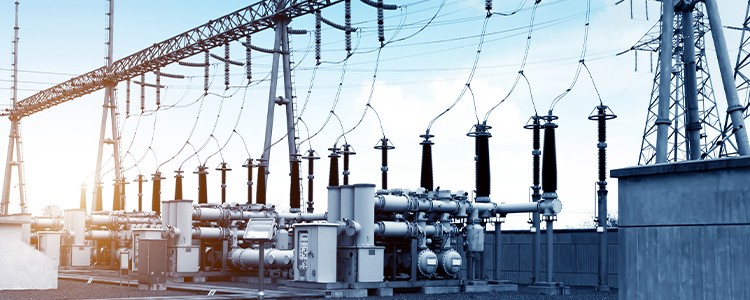
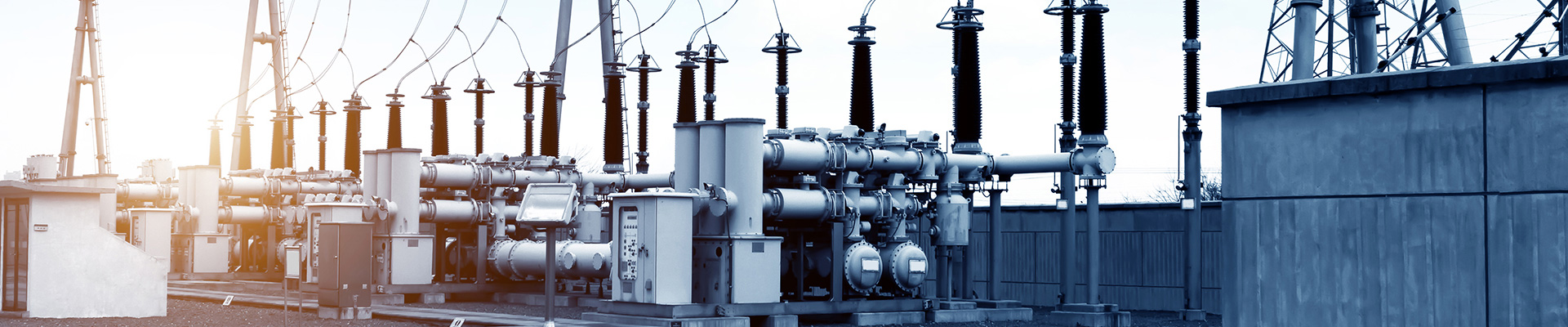
An indoor transformer room needs ventilation, working clearances, cable access and a practical route for delivery, maintenance and replacement. Noise, ambient temperature, dust and fire-control requirements should be recorded before the equipment is selected. An outdoor power transformer may suit the utility side, but its enclosure, weather protection, drainage, service access and separation from buildings must match the site. An outdoor electric power transformer also needs clear boundaries around fire systems, vehicle routes and adjacent equipment. Continuous temperature, alarm and status signals should be connected to the operating philosophy and tested before handover.
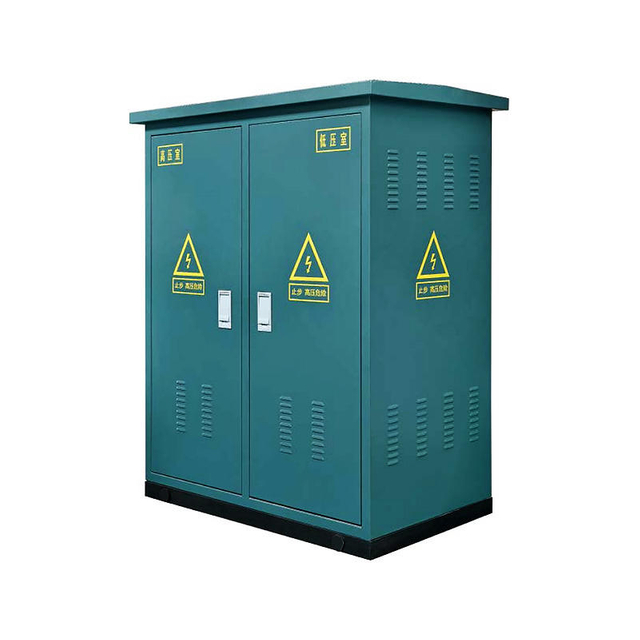
Cast-resin dry-type construction can fit an indoor electrical room where the project prioritizes a clean installation, limited oil handling and straightforward room integration. It still needs a proper review of ventilation, noise, fault duty, cable termination, lifting access and protection coordination. The equipment should be evaluated together with the switchgear, busway and monitoring system, because room heat and service clearances affect the complete installation. The choice is appropriate only when the site conditions and utility standard support the proposed arrangement.
Oil-filled equipment may be selected for an outdoor utility interface or for a site that has suitable containment, fire provisions and maintenance access. An engineering review should cover the tank, windings, oil, sealing, bushings, accessories and test records, as well as the boundary between the transformer and the rest of the yard. A 10kV power transformer factory should be able to explain these manufacturing and testing processes in the quoted design. An s11-m distribution power transformer can serve as an oil-immersed reference, but the final choice must follow the site's voltage, fire, space, environmental and service requirements.
Data-center designers should define transformer separation, parallel-path rules, bus coupling, bypass operation and maintenance windows before the equipment is ordered. The protection study should show how normal, emergency and maintenance states change the available fault current and selectivity. Cable routes, earthing, fire detection, ventilation and replacement access should appear in the site layout, not remain as assumptions in a purchase note. A resilient power transformer arrangement gives operators a documented way to service one path while keeping the required critical load on the approved path.
Before energization, verify insulation resistance, ratio, winding resistance, polarity or phase relationship, grounding, protection settings, alarms and communications. Confirm that temperature sensors and trip signals reach the intended control system, then test transfer and interlock conditions under an approved procedure. The commissioning file should contain approved drawings, factory and site test records, torque checks, operating instructions, maintenance limits and spare-part information. These records allow operators to compare future readings with the accepted baseline and reduce uncertainty during planned work or an alarm.

SHENGTE's SCB10/11-1000 kVA is a supplied product reference for indoor AI infrastructure. It is a three-phase, 10/11-0.4 kV indoor cast-resin dry-type power transformer. That information defines the starting point for a project review; it does not replace the site's load schedule or protection study. The project team can evaluate the model against the medium-voltage input, low-voltage output, required capacity, room conditions, cable arrangement, monitoring signals, protection scheme and expansion plan. This keeps the product discussion tied to the complete distribution path.
Before requesting a final quotation, provide the single-line diagram, site layout, ambient conditions, fault level, required accessories, cable entry arrangement, duty cycle, commissioning scope and expected future load. Ask the supplier to confirm the proposed rating, insulation and cooling assumptions, dimensions, installation clearances, routine tests and documentation package. We can then review whether the selected SCB10/11-1000 kVA configuration fits the actual indoor application. A disciplined specification gives the buyer a clear basis for comparing price, uptime, serviceability and future capacity.
The right power transformer for an AI data center is the one that matches the full electrical and operating context. Start with the load profile and growth plan, verify power quality, thermal and protection assumptions, compare indoor dry-type and outdoor oil-filled boundaries, then confirm redundancy, monitoring and commissioning records. Use the supplied ratings and site data as the decision basis, and require the vendor to explain every interface that affects availability. With those checks complete, SHENGTE's SCB10/11-1000 kVA cast-resin transformer can be considered as a structured indoor option rather than an isolated equipment purchase.