- All
- Product Name
- Product Keyword
- Product Model
- Product Summary
- Product Description
- Multi Field Search
Views: 0 Author: Site Editor Publish Time: 2026-10-15 Origin: Site
Transformer efficiency is the relationship between useful output power and input power after losses are considered. For a distribution project, the correct evaluation includes no-load loss, load loss, power factor, loading pattern, ambient temperature and maintenance. A high nameplate rating alone does not guarantee the lowest lifecycle cost. At SHENGTE, we recommend evaluating the complete operating profile before selecting a transformer, then comparing documented performance with the installation conditions that will exist in service.
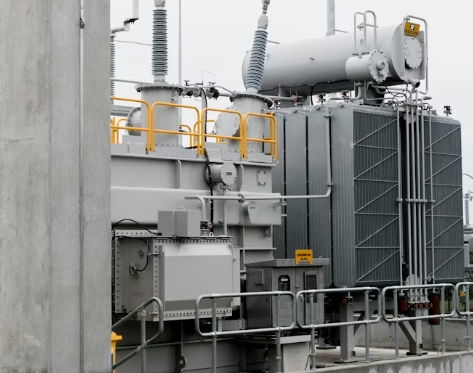
The efficiency calculation compares output power with input power. In practical terms, the energy entering a transformer is divided between useful electrical output and losses in the magnetic core, windings, connections and cooling system. Core loss exists whenever the transformer is energized, while winding loss rises with current. The best operating point therefore depends on how long the unit spends at different loads. A unit that is efficient at full load may not be the best choice for a lightly loaded facility that remains energized around the clock. This is the foundation of transformer energy efficiency and of a realistic annual-cost estimate.
Efficiency figures should also be read at the correct operating point. A quotation may show a peak efficiency percentage, but that percentage does not represent every hour of the year. Ask whether the value is given at rated load, at a specified power factor, or at another point on the load curve. For a facility with several demand levels, calculate a weighted annual result and include the hours when the unit is energized with little load. This method keeps the comparison practical and avoids choosing a transformer only because one headline number appears lower.
Measured demand, load duration, power factor and harmonic current provide a more useful picture than a single peak value. The design team should request guaranteed loss data at the relevant tap and temperature, identify the test standard used, and estimate annual energy cost using the actual load curve. It is also useful to separate technical efficiency from commercial decisions: a small improvement in loss may not justify a large purchase premium unless the unit operates many hours or energy prices are high. A clear calculation makes the procurement decision easier to explain.
No-load loss is mainly associated with magnetizing the core. It continues even when the connected load is small, so it matters for standby transformers and facilities with long low-demand periods. An outdoor power transformer may remain energized for long intervals, making no-load performance, enclosure condition and ambient temperature important procurement questions. Buyers should ask how the quoted no-load value was measured and whether the value is guaranteed, because a number without test conditions is difficult to compare across suppliers.
Load loss is mainly associated with winding resistance and increases as current rises, approximately with the square of the current under comparable conditions. An outdoor electric power transformer serving motors, converters or fluctuating industrial loads should be assessed against peak current, harmonics and cooling conditions. Harmonic current can increase additional stray losses and heating, while poor connections add avoidable resistance. Oversizing can reduce load loss at a given demand but may increase the energy consumed by an oversized magnetic core, so the design should balance both parts of distribution transformer losses.
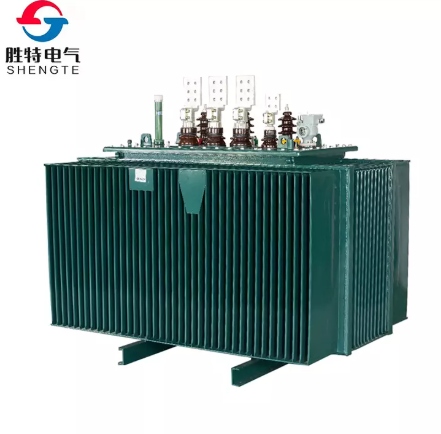
Correct sizing avoids both chronic overload and excessive underloading. The project should verify voltage ratio, tap range, phase balance, expected expansion and the largest motor or nonlinear load. A practical review uses present demand, future demand and the daily load profile rather than selecting capacity from a single short-term peak. When comparing 10 kV distribution transformer manufacturers, request the same loss definitions, test conditions, tolerance limits and delivery documents from every bidder. Otherwise, apparent price or efficiency differences may simply reflect different assumptions.
Installation conditions can change the efficiency achieved in service. Ventilation, dust, moisture, connection resistance and cleaning influence real operating losses and temperature. Outdoor placement also requires a review of clearances, weather exposure, cable routing, grounding and access for inspection. Maintenance should include thermal inspection, tightening, condition checks and review of load balance. Energy-saving decisions should include the cost of downtime and replacement, not only the price of a kilowatt-hour. A well-sized transformer can still perform poorly if heat cannot escape or if phase imbalance persists.
Annual energy cost is only one part of selection. A lower-loss unit may also reduce heat inside a room, ease cooling demand and provide more stable operating temperatures. The buyer should compare the equipment price, expected operating hours, energy tariff, maintenance plan and downtime exposure over the intended service life. When the load profile is uncertain, request a sensitivity check for low, expected and expanded demand. This gives project stakeholders a transparent basis for deciding whether efficiency, capacity margin or installation simplicity should receive the highest priority.
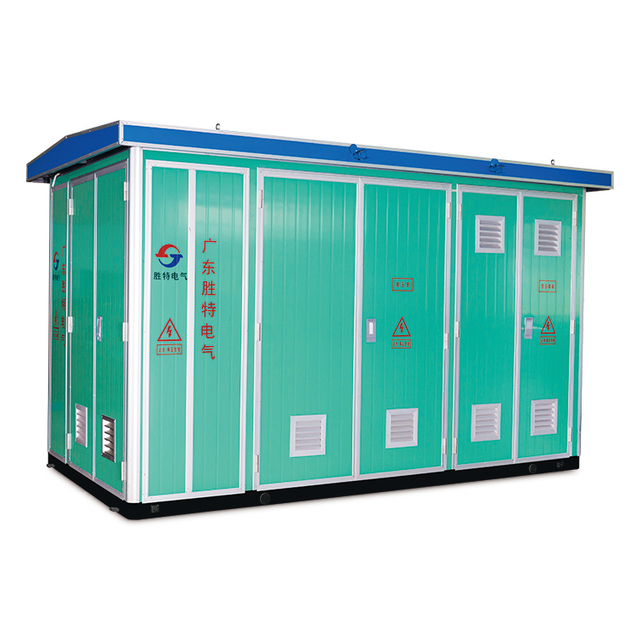
Our SHENGTE S11-M-1000/10 oil-immersed fully sealed distribution power transformer can be assessed using the same framework: rated capacity, voltage, loss data, installation environment, cooling arrangement, protection interface and maintenance access. The model designation should be confirmed against the nameplate and technical schedule before an order is placed. Because the unit is a supplied oil-immersed distribution transformer option, the buyer should also verify the enclosure arrangement, oil and sealing requirements, inspection points and site safety rules that apply to the installation.
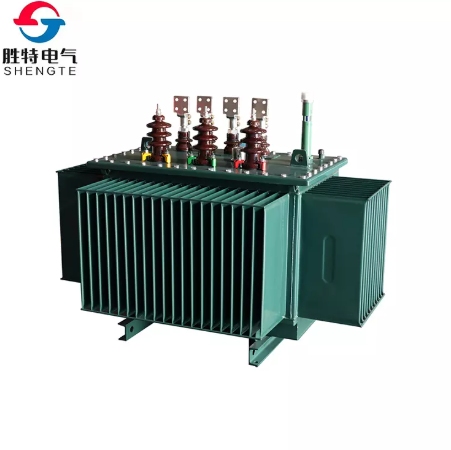
Ask for nameplate data, outline drawings, routine-test documentation, loss guarantees and the responsibilities for transport, installation and commissioning. Confirm the reference standard, guaranteed values, test tolerances, tap position and temperature used for each quoted loss. The buyer should provide a load profile, operating schedule, ambient conditions and future expansion assumptions before comparing alternatives. At SHENGTE, we can use that project information to clarify whether the S11-M-1000/10 configuration fits an outdoor or utility-side application and which documents should be included in the technical offer.
After commissioning, track current, temperature, power factor and load distribution. Correcting phase imbalance, improving connections and avoiding unnecessary energization can preserve transformer efficiency without changing the whole installation. Trend data is more useful than an isolated reading: it can show whether losses rise with seasonal demand, whether a cooling path is becoming restricted, or whether a new nonlinear load is affecting temperature. Monitoring also creates an operating record that supports warranty discussions and future capacity planning.
Review measured losses during planned maintenance and compare them with the original design assumptions. If demand has changed substantially, a staged capacity plan or replacement may be more economical than operating a persistently overloaded or lightly loaded unit. The decision should consider purchase price, energy cost, maintenance labor, outage risk and the value of spare capacity. In this way, efficiency becomes a lifecycle decision rather than a single number on a quotation. A concise procurement checklist should cover verified loss data, application fit, installation conditions, documentation, service responsibilities and the evidence needed for future review.