- All
- Product Name
- Product Keyword
- Product Model
- Product Summary
- Product Description
- Multi Field Search
Views: 0 Author: Site Editor Publish Time: 2026-11-20 Origin: Site
A 10 kV to 400 V transformer connects a medium-voltage supply to a three-phase low-voltage distribution system. The two voltages tell you where the unit can fit. A useful specification also identifies how the secondary is connected, which tap arrangement is required, and how much load the transformer will carry at the same time. For an outdoor cable-fed project, the SHENGTE ZGS11-125/10 gives buyers a 125 kVA reference point. Start with the utility connection and work toward the drawings and nameplate the supplier will have to confirm.

The 10 kV to 400 V transformer voltage ratio is 25:1 when both numbers are nominal line-to-line voltages. Divide 10,000 V by 400 V. This tells you the nominal relationship between the incoming lines and the outgoing lines at the designated tap. A 10 kV to 400 V step-down transformer may use different winding connections on the two sides, so the turns ratio of an individual winding pair can differ from the line voltage ratio.
Read the 400 V figure at the secondary line terminals. Where the project has a wye secondary with a brought-out neutral, 400 V line-to-line corresponds to approximately 231 V line-to-neutral under balanced conditions. Confirm which voltage the load schedule is using before adding equipment to the panel.
Before specifying a 10 kV to 400 V transformer, ask the utility for the nominal supply voltage, operating voltage range and frequency at the point of connection. On the load side, check the switchboard rating and confirm whether the loads require a neutral. The labels 400 V and 0.4 kV describe the same nominal voltage. A load schedule can still mix line-to-line and line-to-neutral ratings, and that distinction affects how the loads are assigned.
Confirm the ordered frequency even if a product family has both 50 and 60 Hz options. The supply, transformer and connected equipment need a compatible frequency. Record the system data on the same schedule the electrical contractor and supplier will review, especially when the site has an existing board.
The first 10 kV/400 V transformer specifications to settle after voltage and frequency are the vector group, neutral arrangement and interface with the existing system. A 10 kV/400 V Dyn11 transformer has a delta-connected primary and a wye secondary with a brought-out neutral. The clock number identifies the phase displacement. The project engineer needs that information when checking how the unit connects to the distribution system, particularly if existing transformers are expected to operate in parallel.
SHENGTE lists Yyn0 and Dyn11 connection options for this configuration family. Put the required group on the single-line diagram and have the supplier repeat the selected group on the approval drawing. This gives the installer and commissioning team one specification to work from.

The 10 kV/400 V transformer tap settings let the buyer accommodate the expected primary supply voltage within the ordered tapping arrangement. On a 10 kV to 400 V transformer, a tap change adjusts the effective winding ratio. Which position is appropriate depends on the supply conditions and the equipment design. The secondary voltage under load also depends on the load and the electrical characteristics of the unit.
Ask the supplier to state the range, step size and factory position together. Keep those three entries with the voltage schedule so a reviewer can see how the nominal ratio was specified. The approved order drawing and nameplate establish the settings available on the delivered unit. Any field setting belongs under the manufacturer’s instructions and the site’s electrical procedures.
Common applications for a 10 kV/0.4 kV distribution transformer include outdoor distribution points and industrial auxiliary loads where a medium-voltage cable supply serves a 400 V board. A compact pad-mounted arrangement can suit a facility that needs the transformer and medium-voltage switching functions in the same enclosure. Check the proposed location against service access, cable routing and the utility’s site requirements before choosing that arrangement.
For example, a workshop supplied by a 10 kV to 400 V transformer may have three-phase equipment on the main board and single-phase circuits downstream. The voltage pairing can suit both when the low-voltage design provides the required neutral and branch voltages. The buyer still needs a schedule of the actual loads, plus a drawing that shows where the transformer supply ends and the facility distribution begins.
Size a 10 kV to 400 V transformer against the greatest apparent-power demand expected under the project’s operating plan. A sum of connected equipment ratings gives you an inventory. The demand schedule should identify what actually runs together, which loads are intermittent, and whether a large motor starts while the rest of the facility is already in service. Ask for the load power factor if the demand is given in kW.
Check the highest loaded phase when the board supplies unequal single-phase circuits. Keep any allowance for approved expansion visible as a separate line in the schedule. The resulting demand is an input to rating selection. It also helps the supplier identify what needs further review, such as starting voltage drop or a specific cooling condition.
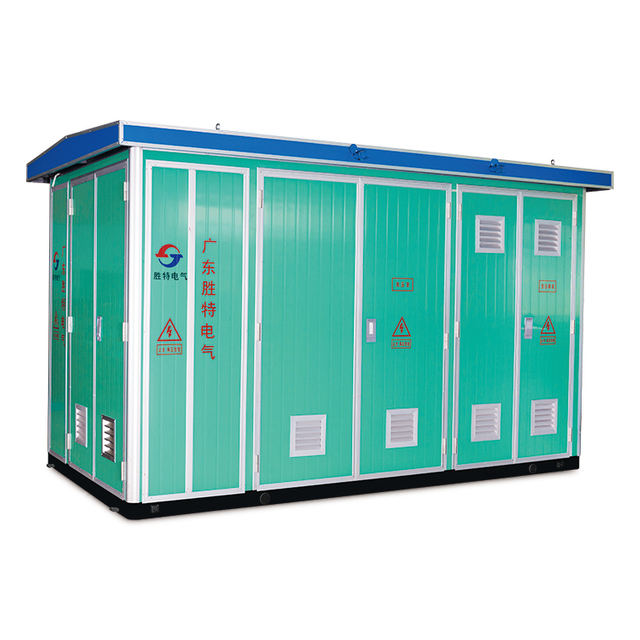
The SHENGTE ZGS11-125/10 is a three-phase, 125 kVA pad-mounted example with a nominal 10 kV primary and a 400 V secondary. The listed impedance is 4%. The integrated arrangement puts the transformer and medium-voltage switching and fuse functions within the assembly. That makes the model useful for a project that needs both voltage conversion and an outdoor cable interface.

Use the nameplate figures for initial screening. Confirm the ordered connection and ask for the actual equipment schedule. The impedance gives the engineer an input for voltage-drop and fault calculations. The source and feeder data still matter to both calculations, and protection devices need to be checked against the complete system.
For a 10 kV to 400 V transformer quote, use a drawing and nameplate checklist to close the gaps between the buyer’s specification and the offered unit. Start with primary and secondary line voltages, frequency, rated kVA, vector group, tap schedule and impedance. Then check the terminals, cable entry direction, neutral and earth interfaces, and the protections included on the single-line diagram. Identify which items the manufacturer supplies and which the contractor or utility provides.
A buyer requesting the SHENGTE unit should attach the site one-line and the maximum-demand schedule to the request. Ask for the electrical and general arrangement drawings before final approval. A reviewer can then check the selected transformer against the same system requirements used to compare the quotations.
Confirm the utility supply, the 400 V distribution arrangement and the peak simultaneous load before selecting a 10 kV to 400 V transformer. Send the single-line diagram and the required vector group with the request for quotation. The resulting drawing review should show where the specified unit fits electrically and what still needs to be coordinated at the site.