- All
- Product Name
- Product Keyword
- Product Model
- Product Summary
- Product Description
- Multi Field Search
Views: 0 Author: Site Editor Publish Time: 2025-12-18 Origin: Site


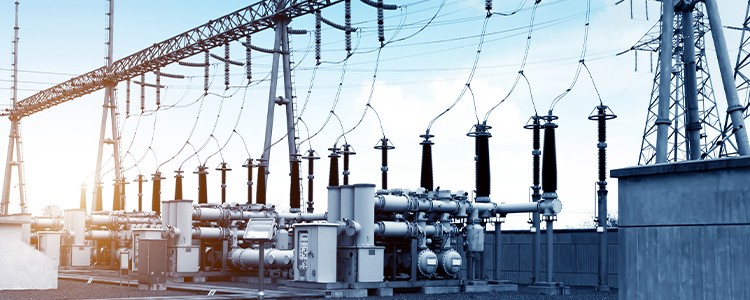
Electrical substations act as key points in today's power grids. They handle voltage changes, balance loads, and protect the system. Components like transformers, circuit breakers, and smart control setups work together to deliver electricity smoothly and safely. SHENGTE provides flexible options, such as the small YBP models for tight spaces and the underground YBD units for areas where looks or land matter a lot. Both types support modern grid features like automatic controls and renewable energy connections. These substations keep power flowing steadily and help networks stay strong against problems.
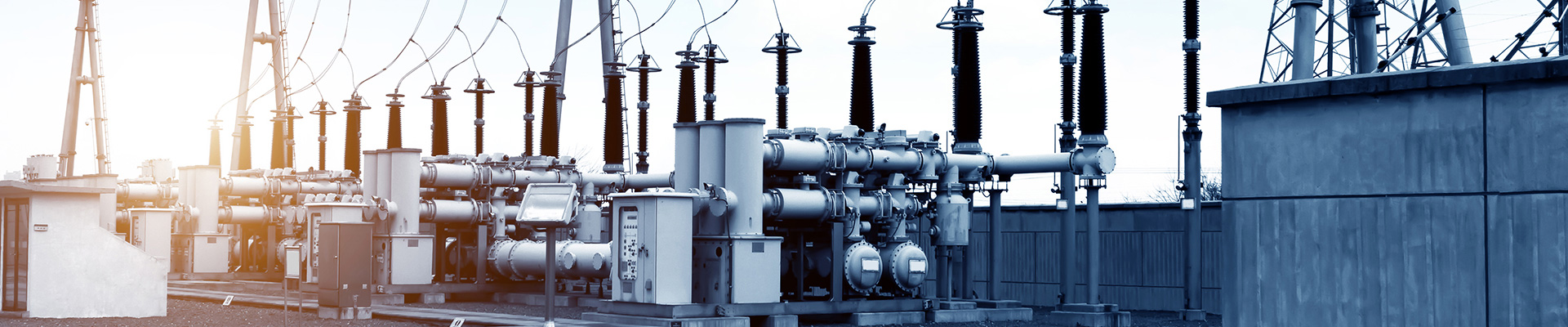
Electric substations form the main support for current power setups. They raise voltage at power plants to send electricity far with little waste. Then, they lower it for safe use in homes and businesses. Substations also serve as control centers. They watch over the grid, guard against issues, and run automatic tasks. With tools like SCADA systems and smart devices, they keep everything running without breaks. Substations connect power sources, including plants and solar farms, to the lines that bring electricity to everyday places.
SHENGTE substations come in sizes that fit different needs and work reliably in busy grids. Prefabricated substation, commonly known as European style box transformer, is a type of substation equipment that consists of transformer, high-voltage and low-voltage switchgear. And the devices are installed separately, each one is connected to each other through cables or other transmission media. This building-block style allows easy setup in many spots. The compact YBP model and buried YBD model from SHENGTE meet city and factory demands while focusing on safe use and smooth work.
Substations change voltage levels as a basic job. Step-up transformers boost voltage at the start to cut losses over long wires. Step-down transformers reduce it at the end for safe home or shop use.
Substations control power movement across the network. They divide sections so faults in one part do not stop service elsewhere. This split helps keep the grid steady and power on without breaks.
Today's substations use smart relays, breakers, and SCADA links for protection. These tools spot problems like too much current or short lines. Then, they cut off the bad section fast to limit damage and quicken fixes.
Substations consist of primary equipment for power handling, and secondary equipment for protection, monitoring, and control, ensuring reliable grid operation.
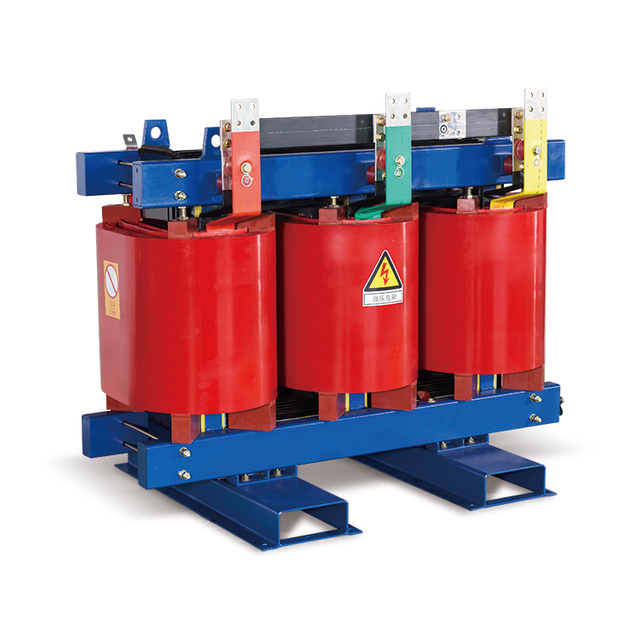
Transformers sit at the center of voltage shifts. They make high-voltage send and low-voltage delivery possible.
These parts stop current during faults or planned stops. They keep workers safe and guard machines from harm.
Busbars and conductors spread electricity to different lines. They ensure smooth flow inside the substation.
Surge arresters block sudden voltage spikes. Insulators hold strong under heavy electric pressure.
These items check voltage, current, and frequency all the time. When things go wrong, relays trip switches to cut off problem areas.
Using standards like IEC 61850, these links allow live watching, far-off checks, and automatic actions. They make digital substations possible.
Transformers use magnetic fields to change voltage. Wire turns and core shape decide if voltage goes up or down.
Air cooling uses normal or pushed air flow. It fits small transformers with light heat needs.
Oil cooling handles big transformers that get very hot. It adopts buried type transformers featuring low losses slow rising speed of temperature. For example, SHENGTE’s YBP 1000kVA 10kV/400V substation uses oil cooling to stay steady under heavy use.
Choice depends on matching voltage like 10kV/400V or 12kV/0.4kV. Load size matters too, such as 800kVA versus 1000kVA. Space and noise rules also guide picks. SHENGTE makes box-type and buried-type models to fit these needs.
SHENGTE offers YBP compact above-ground substations for space efficiency and YBD buried substations for minimal visual impact, both providing safe, integrated power distribution in various urban and aesthetic environments.
The prefabricated substation, represented by YBP 1000kVA 10kV 400V Medium High Voltage Box Type Preinstalled Transformer Compact Substation, adheres to the standards set by GB/T17467-1998 and IEC1330. Featuring flexible and convenient installation, it boasts low loss, minimal noise, and robust resistance against short-circuits and overloads. The design packs transformer, switches, and safety gear into one box. This setup cuts build time and boosts safety. It is widely used in industrial areas, shopping spots, and housing groups when space is tight.

The buried-type transformer package substation, taking the YBD 800kVA 12kV 0.4kV Customized Buried Type Power Transformer Package Substation as an example, integrates high-voltage switchgear, buried transformers, and low-voltage distribution panels into an efficient power distribution system. Its main structure is partially or fully buried underground, occupying minimal or no surface space, thereby effectively conserving land, improving land utilization efficiency, and achieving harmonious integration with the surrounding environment. It hides mostly below ground to save space and blend with surroundings. Full power still works without showing above. It is mainly applies in smart towns, pretty parks, or fancy neighborhoods for low visual effect.

Digital substations collect data live to predict problems. They help plan loads and find faults fast. This raises overall grid trust.
Modern substations handle power going both ways from solar or wind sources. They manage changes without trouble.
Transformers with smart switches adjust to load shifts. They keep voltage even across the grid.
Protocols like IEC 61850 and fiber lines link all parts smoothly. These tools allow one-center control over far-apart substations.
Q1: What are the advantages of using a compact box-type substation like SHENGTE’s YBP model?
A: Prefabricated substation is a type of substation equipment that consists of transformer, high-voltage and low-voltage switchgear. And the devices are installed separately, each one is connected to each other through cables or other transmission media. This setup saves space while adding built-in safety. It works great in crowded cities.
Q2: In what scenarios is a buried-type substation such as SHENGTE’s YBD model more suitable?
A: Buried-type substation is an integrated unit that combines high-voltage switchgear, buried transformers, and low-voltage distribution panels into an efficient power distribution system. It fits best where ground space is short or looks matter a lot, like homes or new city builds.
Q3: How do SHENGTE substations support smart grid functionality?
A: It adopts advanced technology to improve and optimize functions, equipping with automatic temperature control, automatic emergency drainage, automatic humidity control and remote monitoring system, with reliable performance. These tools allow far control, quick checks, and easy links to solar or wind power.