- All
- Product Name
- Product Keyword
- Product Model
- Product Summary
- Product Description
- Multi Field Search
Views: 0 Author: Site Editor Publish Time: 2025-12-05 Origin: Site
What Makes the Core Design of a Dry Type Distribution Transformer So Critical?
How Does the Winding Configuration Influence Electrical Performance?
Why Is Thermal Management Central to Dry Type Transformer Design?
How Do Environmental Conditions Shape Enclosure Requirements?
How Can You Ensure Mechanical Strength During Short Circuit Events?
Which Transformer Ratings Must Align With Your Application Requirements?
Where Do SHENGTE Transformers Fit Into Your Project Specifications?


When people plan a dry type distribution transformer, they focus on a few big things. They pick a good magnetic core made from top silicon steel to keep losses and noise low. They choose the right winding style and wrap it in resin so it works well and lasts long. They make sure heat can escape easily with natural air or fans. Finally, they put a strong box around it that fits the place where it will live. All these steps help the transformer stay safe, quiet, and useful for many years.
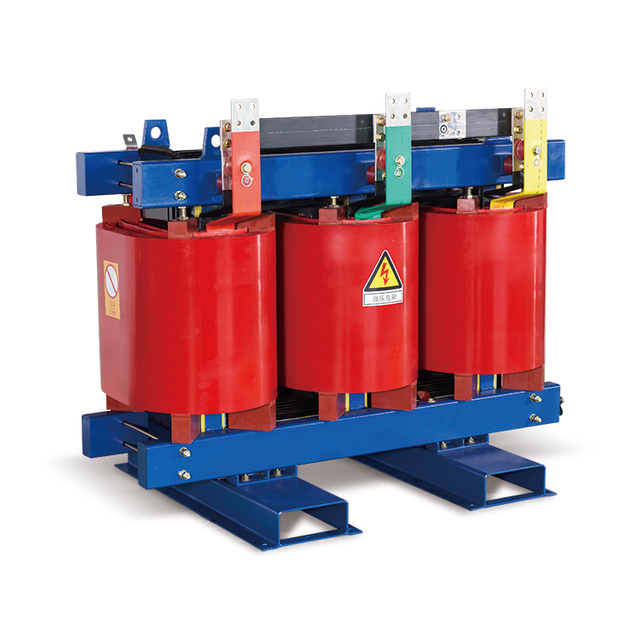
The core is the most important part inside any dry type distribution transformer. What you build it from decides how well the whole unit runs. Workers use thin sheets of high-quality cold-rolled silicon steel. They join them in a smart three-step slanted way. This clever setup cuts down tiny air gaps. So the magnetic field flows smoothly. Less waste heat and almost no humming sound come out.
Some factories even use special amorphous metal. It saves even more power and stays super quiet, but it costs extra. The shape of the core matters too. Good corners and step-lap joints spread the magnetic force evenly. That keeps everything cooler and happier.
A well-built core lasts longer and handles heat better. Thin layers stop swirling currents that make heat. Strong F-class straps hold everything tight. These straps let the core grow and shrink a little when it gets hot or cold without breaking.
Since resin covers most parts, the core and the resin must grow at the same speed when temperature changes. If they don’t match, cracks can appear after many hot and cold days.
The way coils are wrapped changes how the transformer handles high voltage. Low-voltage coils often use simple layer style because it saves space. Medium-voltage coils usually get disc style. Discs share sudden voltage spikes more fairly, so sparks stay away.
SHENGTE makes low-voltage coils from flat foil instead of round wire. Foil stops twisting problems and spreads power evenly. The coil also has open air paths up and down. Cool air flows straight through and takes heat away fast.
Between every layer, workers put special DMD epoxy cloth. Later, everything gets baked hard. This strong cover stops tiny sparks and keeps the coil safe.
Copper carries electricity best and handles heat well. Aluminum costs less and weighs less. Both work fine if the design is good.
Insulation decides how hot the transformer can run every day. Class F lets it reach 155 °C. Class H allows 180 °C. Hard resin around the coils makes them tough. Even if a short circuit hits, the coils stay in place and do not break.
Keeping the transformer cool is a huge job. Natural air cooling works when loads stay steady and the room is not too hot. Air rises on its own and pulls cool air in from below.
When the work gets heavy or the room is small, forced air is needed. SHENGTE adds strong top fans that blow across the coils. These fans are quiet, push lots of air, and look nice. With fans helping, the transformer can carry extra load without getting too hot.
Smart air paths make a big difference. Tall open channels inside the coils act like chimneys. Hot air shoots up and out fast. Screens on the box keep dust out but still let air move freely. No blocked paths mean no hot spots that hurt insulation.
The metal box keeps bad things away from the transformer. Dusty factories or outdoor spots need tougher boxes. SHENGTE offers IP20, IP23, IP30, IP33, and higher levels. Higher numbers stop more water and dirt.
Boxes are made from aluminum alloy, cold-rolled steel, or stainless steel. All of them let heat escape while staying strong for years.
Fire safety matters a lot in schools, offices, and train stations. SHENGTE uses special F1 flame-retardant resin. If fire touches it, the resin makes very little smoke and no poison gas. All units follow strict IEC 60076 rules so everyone stays safe.
A short circuit sends giant forces through the coils. Everything must stay in place. Strong supports and hard resin stop the coils from moving or breaking.
Every SHENGTE dry type distribution transformer gets tested hard in the factory. They follow IEC 60076-5 rules. Only units that pass the tough shake tests leave the door.
Special plastic spacers keep coil discs apart and steady. Even pressure from clamps stops bending when things heat up and cool down many times.
Pick the right size from the start. Look at today’s load and tomorrow’s growth. Here is one example from SHENGTE:
Model: SCB10-500
Rated Capacity: 500 KVA
High Voltage: 11 kV
Low Voltage: 0.4 kV
Taps: ±5% or ±2×2.5%
Connection: Yyn0 or Dyn11
No-load Loss: 1160 W
Load Loss: 4880 W
No-load Current: 0.6%
Short Circuit Impedance: 4%
The impedance number controls how much current flows during faults and how steady the output voltage stays.
Know your daily power use. Steady factory machines can run on Class F insulation. Computers and big motors that start and stop a lot may need Class H and extra cooling.
SHENGTE builds strong dry type distribution transformers for offices, solar farms, data centers, and city power stations. Their units save power, stay quiet, meet F1 fire rules, and fit in small rooms.
For medium jobs, try the SCB10/11 500 KVA 10/11 0.4 Kv 3 Phase High Voltage Indoor Cast Resin Dry Type Power Transformer. It comes with fans for extra load and stays safe even if fire starts.

For big factories, the SCB10 2000 KVA 10 / 0.4 Kv 3 Phase High Voltage Cast Resin Dry Type Power Transformer handles heavy work day after day. It shrugs off short circuits and keeps running cool.

Every SHENGTE unit gets tested harder than the rules ask. You can trust it will work when you need it most.
Q: What determines whether I should choose natural air cooling or forced air cooling for my dry type transformer installation?
A: Look at your power needs. Steady, normal loads are fine with natural air. Hot rooms or big load swings need fans and forced air cooling.
Q: How do I ensure my dry type transformer meets fire safety regulations in public buildings?
A: Pick F1-rated resin that makes little smoke. Make sure the maker follows IEC fire rules for your country.
Q: Can I install a dry type transformer outdoors without an enclosure upgrade?
A: No. Rain, dust, and sun will hurt it fast. You need at least IP54 or higher outdoor box to keep it safe and working.