- All
- Product Name
- Product Keyword
- Product Model
- Product Summary
- Product Description
- Multi Field Search
Views: 0 Author: Site Editor Publish Time: 2025-11-20 Origin: Site
The Role of Modern Switchgear in Enhancing Grid Reliability and Efficiency
Shengte’s Low Voltage GCS Switchgear: Optimizing Distribution Performance
Shengte’s KYN28A-12 Medium Voltage Switchgear: Reinforcing Grid Stability
Impact on Grid Reliability and Operational Efficiency in 2025 Contexts
Shengte’s Commitment to Quality, Service, and Support Excellence

Modern switchgear brings major gains to power networks in our current era. It lifts grid dependability and operational performance to new heights. These systems use smart tech and sturdy builds. They handle rising energy needs while cutting downtime risks. SHENGTE leads in this area with its focus on new designs and safe, custom options. Their gear helps towns and industries keep lights on and machines running smooth. This progress sets the stage for deeper talks on the core role such equipment plays in steady, efficient electricity delivery.
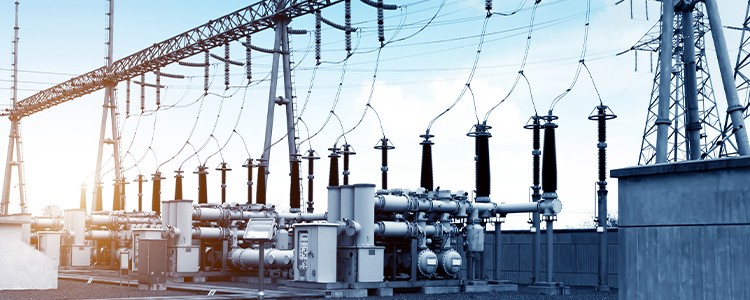
Switchgear holds a key position in any electrical setup. This includes substations and industrial sites. It does more than just manage the current of power. It ensures steady electricity supply. It guards machines. And it keeps people safe.
Before we look at the details, let's mention a top player in this field—SHENGTE. SHENGTE stands as a reliable maker focused on creating strong electrical gear that follows worldwide rules. The company puts a lot of effort into new ideas, protection, and options made just for customers. SHENGTE supplies tools that run towns, factories, and basic structures around the globe. If your work needs simple power sharing or stronger network safety, their switchgear mixes easy-to-change parts, smart features, and solid work for today's power setups.
Switchgear acts as the main support for safe and smooth power sharing. At its heart, it has parts like circuit breakers, fuses, isolators, and control setups. These items work together. They cut power to machines for fixes. They also separate problems to stop big breakdowns in the whole grid.
The value of switchgear shows up clearly in trouble spots. A short circuit or too much load happens. Quick cutoff is a must. This cuts down on lost time. It shields tools and workers. Plus, switchgear helps handle loads. It lets you pick and control different lines or paths.
Switchgear has changed a lot over time. It started with basic mechanical types. Now, it uses digital tools. Old versions needed hands-on work and regular checks. But current ones add far-off watching, smart switches, and tools to guess issues ahead.
The last ten years brought fast growth in digital tools for power systems. Today's switchgear links with digital watch and control parts. These handle live checks of how things run. This change helps workers spot issues before they hit. They do not just fix after the fact.
Smart Electronic Devices, or IEDs, form the base of this shift. They gather data all the time. This lets teams use checks based on real conditions. Such methods cut down on daily risks a great deal.
Easy-to-build design marks another big change. It boosts growth options and saves room. It makes setup and updates simpler. Panels can grow or shift with little hassle. This fits quick-expansion jobs or tight spots well.
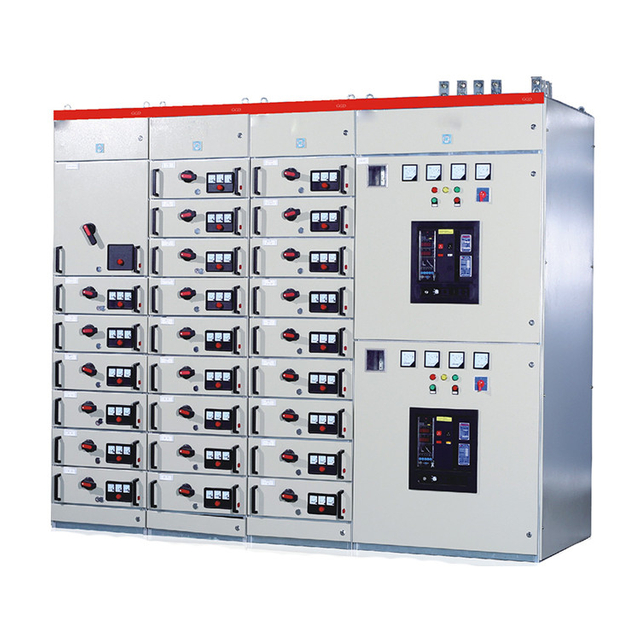
For jobs with low-power lines—in factories, business buildings, or main power setups—the GCS Low Voltage Drainage Switchgear gives a strong answer. It uses a build-with-parts setup. It has pull-out units that fit flexible plans based on what the job needs. This bend makes it right for places where steady work and custom fits matter most.
Builders made it to match IEC 439-1 and GB7251.1 rules. So, it promises good safety levels and steady output in many work settings.
The pull-out parts style offers more than a build plus. It affects how easy it is to fix things. Each part runs on its own. So, you can check or swap it without stopping the full setup. This boosts how long the system stays on. It also cuts down on work stoppages.
Steady power sharing depends on heat control. The GCS switchgear brings better heat handling. It uses improved air flow plans. This keeps heat away well, even when loads are heavy. As a result, inside parts last longer. And the whole thing runs more evenly.
Made to last, this switchgear has strong power against short bursts. In bad spots where power jumps could wreck weaker setups, GCS holds its shape. It keeps running without fail. This guards items before and after it in the line.
Watching in real time is now a must. It is not just nice to have. The GCS setup comes with digital links and smart add-ons. These support guesses on fixes and checks of how it runs. This turns fix-after into plan-ahead care for gear.


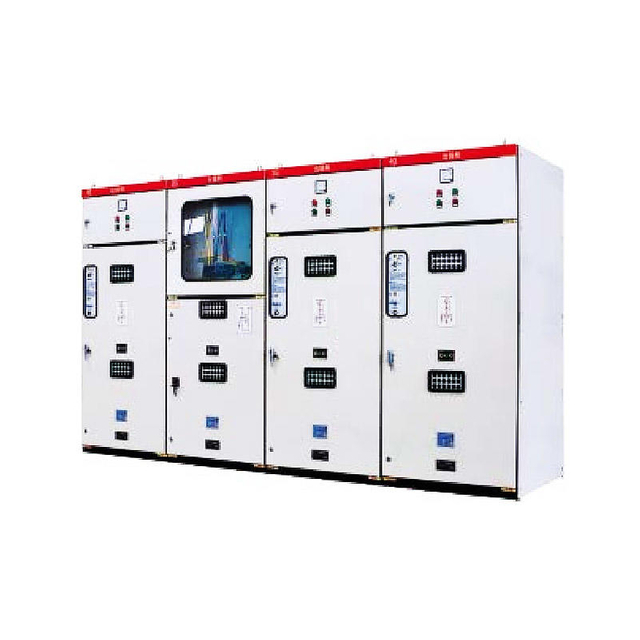
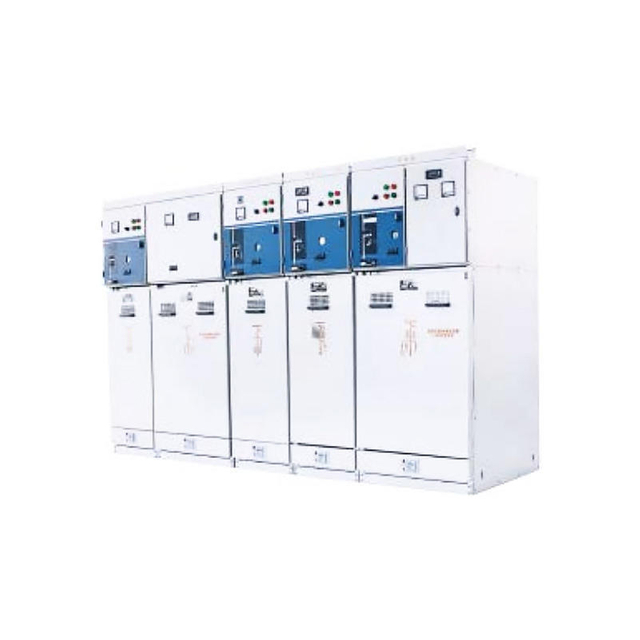
Medium-power grids need tougher covers, spark guards, and control links. The KYN28A-12 Indoor Metal Armoured Pull-Out Switchgear meets these with careful build work. It fits for 3.6kV to 12kV power lines. You can use it in substations, power stations, and factory switch points.
Its pull-out breaker part adds extra safety in use. It also makes fixes simple. The metal cover gives full spark safety and total cover. It follows GB3906 and IEC298 rules for medium power setups.
Safety matters a lot with medium power. This switchgear has a strong lock system. It mixes mechanical and electrical parts. It stops wrong moves, like opening the door when power runs. This keeps workers from sparks or shocks.
In tight spots, like city substations or old-site updates, saving space counts. The KYN28A-12 gives a small base area. Yet, it packs in many parts with full use. It keeps all functions intact.
Inside spark issues happen seldom. But they can cause huge harm. This switchgear has spark-safe paths. They guide pressure away from people and gear in those cases. This cuts damage. It also speeds up getting back to normal.
Built for grid auto of tomorrow, this piece links easy with SCADA tools. It uses common talk methods. Workers get live views of power levels, breaker states, and issue checks right from the main room.
One big issue for power teams is cutting lost time in trouble events. New switchgear lowers this chance. It cuts off problems right away. It uses auto guard switches and IEDs. With pull-out styles and SCADA links, on-site groups move fast. They do not need to stop everything.
Power needs change fast by area and time. Smart switchgear opens up use patterns live. This lets you balance loads as they shift. It stops overloads on lines or power changers. Such smart steps cut power waste. They also make structures last longer.
The move to green power like sun panels and wind machines brings two-way flows and changing powers to the grid. Part-based switchgear setups adjust quick to these spread-out plans. They allow control at entry points. They handle power levels and match with the grid. All this keeps things steady even with up-and-down power from sources.
Putting in strong switchgear takes more than good gear. It needs full help from start to end. SHENGTE gives custom build advice. This helps you pick what suits your power layout best.
After setup, their on-site start-up help makes sure it fits with old systems without hitches. Training for staff gets your fix team ready to run it well from the start.
On top of that, they offer quick access to extra parts. They add far-off check tools too. All this cuts down on stop time when problems pop up.
If you plan a fresh substation or better old setups, SHENGTE’s gear experts stand ready to help. Reach them through their official website. You can start asks for items on their special pages for GCS Low Voltage or KYN28A-12 Medium Voltage answers. This makes buying smooth from the first step.
Q: What’s the difference between low-voltage and medium-voltage switchgear?
A: Low-voltage switchgear usually deals with power up to 1kV. It fits in shops or small factory spots. Medium-voltage gear handles 3.6kV to 36kV. It works for substations or big factory lines.
Q: How does modular switchgear improve grid reliability?
A: Part-based designs let you fix or swap fast without stopping other paths. This gives better run time. It also stops problems from spreading wide.
Q: Can modern switchgear support renewable energy integration?
A: Yes. Smart switchgear handles power control, load even-out, and watch needs. These help add changing sources like sun or wind to old grids.